How to Build a Timeless Wardrobe with Eco-Friendly Pieces
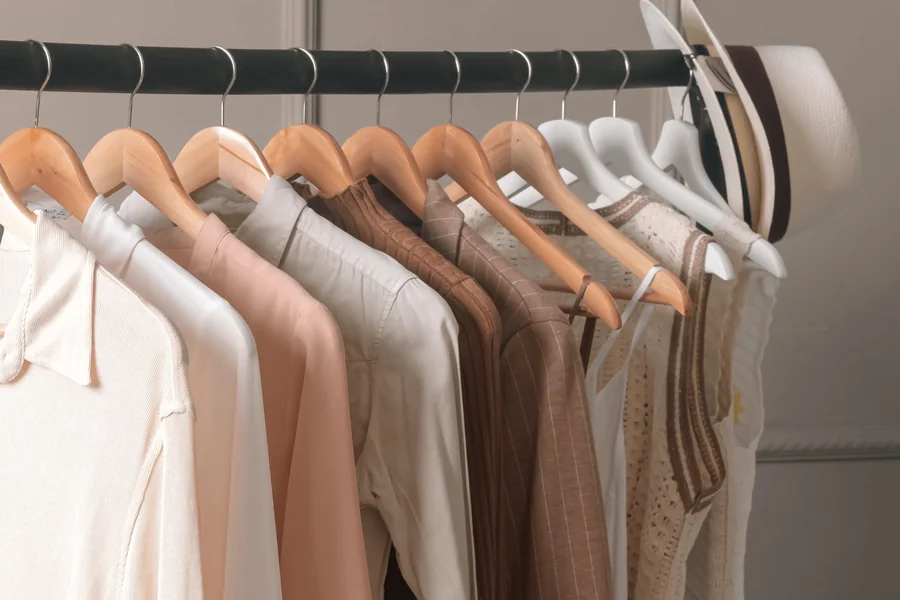
The most sustainable garment is usually the one already in your wardrobe, and the next best is one you will wear for years. Building a lasting wardrobe with eco-friendly pieces is less about buying a new “green” collection and more about choosing carefully, looking after what you own and resisting short-lived trends. The approach below works on any budget.
Start with what you already own
Before buying anything, take stock. Pull everything out, try it on and sort it into what you wear often, what needs repair or tailoring, and what no longer fits your life. The pieces you reach for repeatedly reveal your real style, colours and silhouettes far more accurately than a mood board. Gaps become obvious too: perhaps you own six printed tops but no jacket that works with all of them.
Clothes you no longer want can be sold, swapped, given to someone who will wear them or donated to a charity that can use them. Damaged textiles are better sent to a textile recycling scheme than thrown away.
Define a colour palette and a few key shapes
A wardrobe that lasts is built on pieces that work together. Choose a small set of base neutrals, such as navy, charcoal, camel, cream, black or olive, and add two or three accent colours you love wearing. When most items share a palette, each new purchase multiplies your outfit options instead of creating another orphan.
Classic shapes tend to outlive trends: a straight or wide-leg trouser, a well-fitted blazer, a trench coat, a crew-neck knit, a crisp shirt, dark straight-leg jeans, a simple dress in a solid colour. These are starting points, not rules; the right staples are the ones that suit your body, climate and daily life.
Understand eco-friendly fabrics
No fibre is perfect, but some have clear advantages:
- Organic cotton is grown without synthetic pesticides and fertilisers. It is soft and familiar, though cotton of any kind needs a lot of water.
- Linen comes from flax, which generally needs less water and fewer inputs than cotton. It is strong, breathable and softens with washing.
- Hemp is a hardy, fast-growing plant that makes a durable fabric similar to linen.
- Lyocell (sold under the brand name Tencel, among others) is made from wood pulp in a closed-loop process that recovers most of the solvent. It drapes well and feels smooth.
- Wool is naturally temperature-regulating and odour-resistant, so it needs washing less often. Look for responsibly sourced or recycled wool.
- Recycled fibres, such as recycled polyester or recycled cotton, reuse existing material. Bear in mind that synthetics still shed microfibres in the wash.
Labels worth knowing
Certifications give some independent assurance. GOTS (Global Organic Textile Standard) covers organic fibres along with environmental and social criteria in processing. Fairtrade focuses on conditions and prices for producers. OEKO-TEX Standard 100 tests finished textiles for harmful substances; it is a safety label rather than a sustainability one. Be wary of vague words such as “conscious” or “green” with no detail behind them.
Judge quality before you buy
A natural fibre that falls apart after a season is not a sustainable choice. In the shop, check:
- Seams: stitches should be small, even and tight, with no pulling when you gently stretch the seam.
- Seam allowances: generous allowances mean a garment can be let out later.
- Fabric: hold it to the light; very thin, see-through knits tend to lose shape and pill quickly.
- Details: buttons should be securely sewn, zips should run smoothly, and patterns should match at the seams.
- Lining: in tailoring and coats, a lining helps the garment hang well and reduces wear.
A useful way to think about price is cost per wear: divide what you pay by the number of times you realistically expect to wear it. A well-made coat worn every winter for years can work out cheaper than several inexpensive ones.
Buy secondhand first
Vintage shops, charity shops, resale platforms and clothing swaps extend the life of garments that already exist. They are also one of the best places to find the well-made staples described above, often in better fabrics than new clothes at the same price. For occasional pieces, such as formalwear for a wedding, renting or borrowing is worth considering.
Shop new with intention
When buying new, keep a written list of real gaps and wait a few days before any unplanned purchase. Look for brands that publish specific information about where and how their clothes are made, rather than general promises. Choose pieces you can picture with at least three things you already own.
Care for clothes so they last
How clothes are washed has a large effect on how long they last and on their environmental footprint:
- Wash less often. Airing out knits and outerwear between wears is often enough.
- Use cool temperatures and full loads, and choose a gentle detergent.
- Air-dry where possible; tumble dryers are hard on fibres and use a lot of energy.
- Wash synthetics in a microfibre-catching bag or with a filter.
- Store knits folded rather than hung, and use wooden hangers for tailoring.
- Deal with moths early by keeping wool clean and storing it in sealed bags out of season.
Repair, alter and restyle
Learning to sew on a button, fix a hem or darn a small hole saves many garments. A good tailor can adjust fit, replace a zip or reline a coat, often for much less than the cost of a replacement. Shoes can be resoled and bags reconditioned. Restyling also counts: a dress worn with a knit over it, or a blazer paired with jeans, can feel new without buying anything.
A lasting wardrobe grows slowly. Fewer, better choices, bought with care and worn often, make it easier to get dressed and lighter on the planet.