8 Ways to Build a More Thoughtful and Versatile Wardrobe
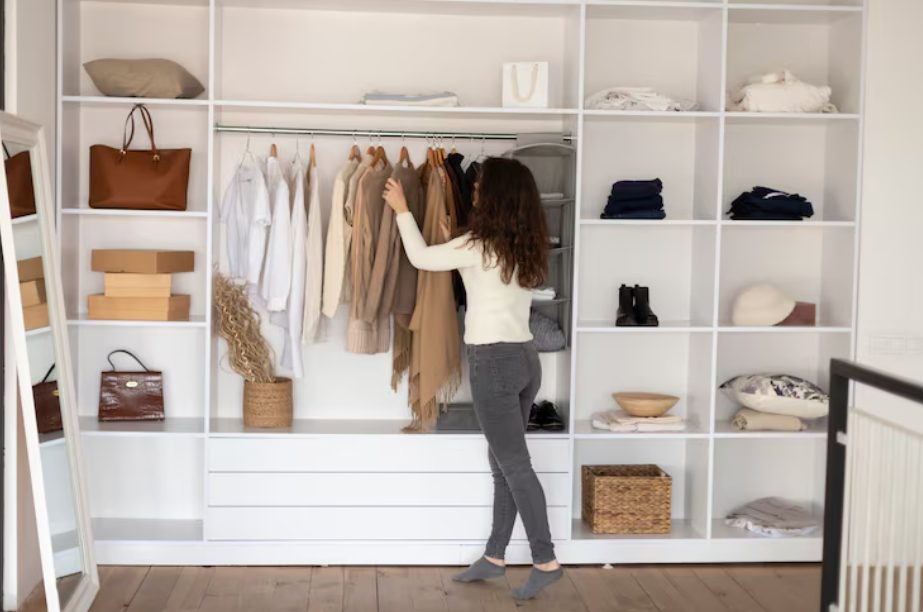
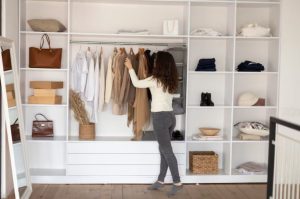
What if the most useful piece in your wardrobe is not the newest, the most expensive, or even the one you notice first?
The pieces that often work hardest are the quieter ones: a jacket that shifts between polished and casual, trousers that survive more than one season, or a familiar pair of Vans that can change the mood of an outfit without demanding an entirely new look. A classic sneaker can work with denim, dresses, relaxed tailoring, or simple everyday separates, making it easier to build different outfits around pieces you already own. Vans, with its long association with casual style and recognizable sneaker silhouettes, offers a useful example of how familiar footwear can remain relevant across different outfits and occasions.
Their value is not obvious at first glance. It reveals itself through repetition, adaptability, and the number of different lives a single piece can have.
That is the real foundation of a versatile wardrobe. It is less about owning more and more about choosing with greater intention. When timeless style, personal expression, and conscious fashion begin to overlap, everyday dressing becomes more flexible without becoming predictable.
The question, then, is not simply what belongs in a thoughtful wardrobe, but what makes certain pieces remain useful long after others lose their relevance. These eight ideas explore exactly that.
1. Build Around the Life You Actually Lead
The strongest wardrobe begins with reality, not aspiration. Before adding anything new, consider what you already wear most often and why.
Perhaps tailored trousers appear regularly because they work for both meetings and dinners. Maybe relaxed shirts dominate because they layer easily. These patterns reveal more than personal taste; they show which proportions, fabrics, and silhouettes genuinely serve your daily routine.
2. Choose Pieces That Create More Than One Outfit
Versatility is ultimately about possibility. A useful piece should not depend on one highly specific combination. It should interact naturally with several items already in rotation.
A structured blazer might work with denim, dresses, or wide-leg trousers. A simple sneaker can move from casual weekend dressing to more polished high-low combinations.
This is where classic footwear becomes especially relevant. Vans has a longstanding association with casual style, skate culture, everyday fashion, and recognizable footwear that has remained visually familiar across decades.
That continuity offers a useful example of how design can outlast a single fashion cycle.
3. Let Timeless Silhouettes Do Some of the Work
Not every wardrobe staple needs to be anonymous. Distinctive pieces can still be timeless when their appeal comes from proportion and design rather than novelty.
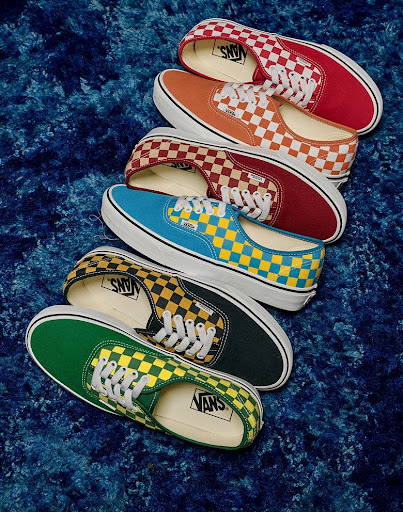
Classic Vans silhouettes such as the Old Skool, Authentic, Classic Slip-On, and Sk8-Hi illustrate this principle well. Each has a recognizable identity, yet none belongs exclusively to one narrow style category.
Their appeal lies in familiarity. Familiar shapes are often easier to restyle because they do not need an elaborate outfit to make sense.
4. Think Beyond a Single Season
A thoughtful wardrobe should not reset every few months. The most adaptable pieces transition with the weather through changes in layering, texture, and proportion.
Lightweight footwear may appear with dresses or cropped trousers in warmer months, then re-emerge beside denim, knitwear, or outerwear as temperatures drop. The same principle applies across the wardrobe.
Classic footwear remains relevant partly because its role can shift while the design itself stays consistent. Vans, for instance, can sit within summer casualwear, transitional layering, and relaxed autumn dressing without requiring an entirely different styling language.
5. Mix Casual and Refined Elements
Some of the most interesting outfits emerge when categories are allowed to overlap.
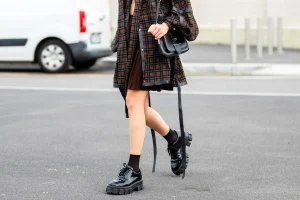
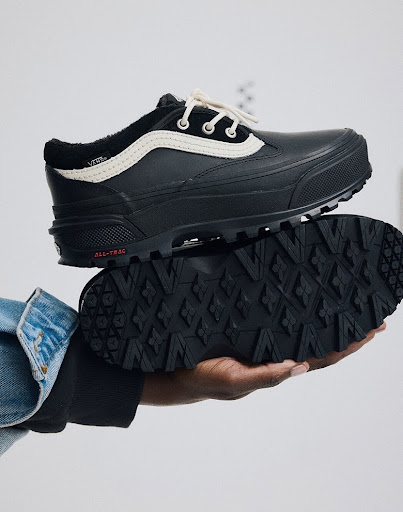
Tailored trousers paired with relaxed sneakers can feel more contemporary than a fully formal look. A structured coat over casual separates creates contrast without appearing contrived. Likewise, a simple dress can feel noticeably different when styled with flat, familiar footwear instead of something more delicate.
6. Use Footwear as a Form of Personal Expression
Footwear has an unusual ability to alter the character of an outfit without overwhelming it. A change in shape, colour, or detailing can make the same clothes feel more relaxed, graphic, nostalgic, or understated.
The design history represented by Vans US reflects how recognizable casual footwear can move between skate-inspired dressing, streetwear, minimalist outfits, and everyday styling.
That flexibility matters because timeless style should never mean uniformity. A thoughtful wardrobe still needs room for personality.
7. Make Conscious Fashion About Repeat Wear
Conscious fashion is often discussed through materials and production, but wardrobe behaviour matters too.
Choosing pieces that work with existing clothes can reduce the impulse to buy around one new item. Rewearing garments in different combinations, caring for footwear properly, repairing minor damage, and storing clothing well can all extend usefulness.
The principle is straightforward: longevity increases when a piece participates in more of your wardrobe rather than occupying a single, narrow role.
8. Value Longevity More Than Novelty
A wardrobe becomes more coherent when its foundation is not dependent on constant reinvention.
That does not mean ignoring trends or removing experimentation. It simply means allowing enduring pieces to carry more of the visual weight. Recognizable Vans designs, like other long-established footwear silhouettes, can complement this approach when they are worn across different outfits, seasons, and everyday occasions rather than treated as momentary statements.
The broader objective is not minimalism for its own sake. It is useful.
Choose What Earns Its Place
A more thoughtful wardrobe is built through repetition, adaptability, and a clear sense of what genuinely earns wear. Timeless style is less about resisting change and more about choosing pieces that remain relevant as personal taste evolves.
When clothing and footwear can move across seasons, settings, and combinations with ease, the result is a wardrobe that feels considered rather than crowded, expressive rather than excessive, and versatile without becoming predictable.