Why Wood Engraving Is Becoming a Favorite Family Craft Activity
Wood engraving has moved from a niche woodworking skill into a mainstream household hobby. Parents, grandparents, and children are picking up engraving tools together on weekends, turning plain wood surfaces into personalized keepsakes. The shift reflects a broader interest in hands-on activities that do not require a screen. Unlike many crafts that demand years of training, wood engraving now offers an accessible entry point for people of nearly every age and skill level.
A Craft Activity Families Can Share Across Generations
Wood engraving works well as a shared activity because it does not separate participants by age or experience. A ten-year-old and a grandparent can sit at the same table and each produce something they are proud of. This kind of shared project builds patience and cooperation in a way that solo screen time cannot replicate.
Several factors explain why families are drawn to this particular craft:
1. Low Setup Requirements: Most engraving projects need only a pen, a wood surface, and a flat workspace, so families can start within minutes.
2. Flexible Project Length: A simple design can be finished in under an hour, which fits naturally into a weekend afternoon or a rainy day indoors.
3. Tangible Results: Each session ends with a physical object, whether a coaster, a sign, or a small gift, giving children a visible reward for their effort.
These qualities make wood engraving less intimidating than crafts that require specialized workshops or long apprenticeships. Many families also treat the activity as a break from digital entertainment, choosing a weekend project over additional screen time. That choice does not require a large investment of money or space, which makes it easier to repeat on a regular basis.
Beginner-Friendly Tools Removing the Skill Barrier
For decades, engraving was associated with professional woodworkers using heavy, expensive equipment. That barrier has largely disappeared. Modern engraving pens are lightweight, plug into a standard outlet, and require no prior training to operate safely. This shift has opened the craft to people who would never have considered it a decade ago.
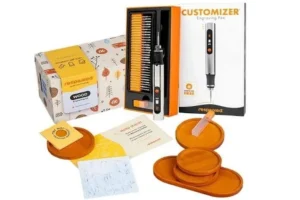
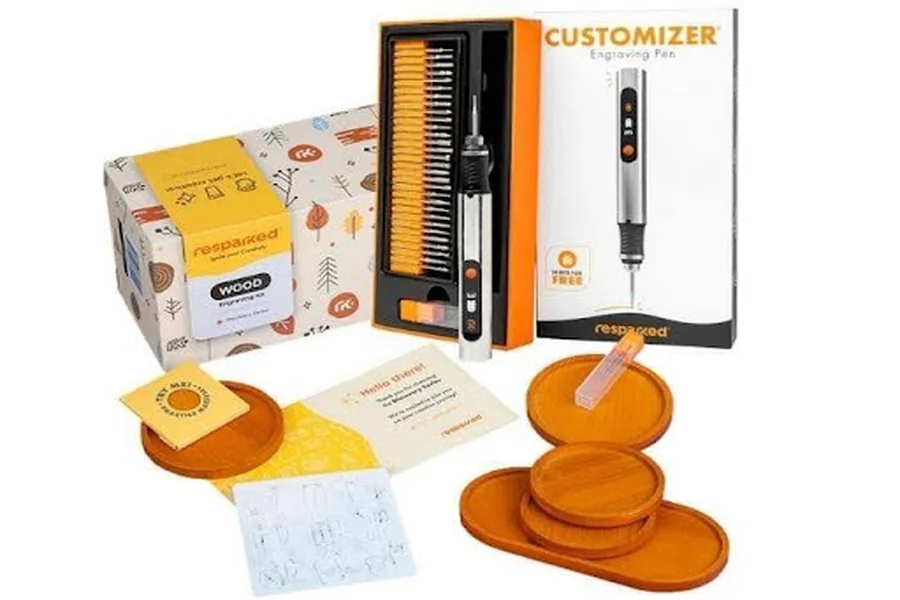
More than 650,000 people now use the flagship Customizer Engraving Pen, a tool built specifically for newcomers who want results without a steep learning curve. The pen is designed so that a first-time user can complete a basic design on their first attempt. Buyers looking for a starter kit that includes the pen and compatible accessories can find one available at Resparked, where the wood engraving kit is packaged for people just beginning the craft.
The accessibility of these tools matters because it changes who gets to participate. A parent with no art background can guide a child through a first project without feeling out of their depth. That lowered barrier is a major reason engraving has spread from hobbyist circles into ordinary family routines.
The Personal Pride Behind Handmade Gifts
Handmade items carry a different kind of value than store-bought ones, and engraved wood pieces are no exception. A cutting board with a family name, or a sign with a favorite quote, tells a story that a mass-produced item cannot. This emotional connection helps explain why so many families keep returning to the craft after their first project.
Amy Anderson, a DIY instructor, described this feeling directly: “There is a special kind of pride that comes from someone asking ‘Where did you get that?’ and being able to say ‘I made it.'” That moment of recognition often becomes the reason people continue engraving well beyond a single weekend project. It shifts the activity from a one-time experiment into an ongoing hobby, and sometimes into a source of handmade gifts for holidays and birthdays.
Family engraving projects also create shared memories tied to the finished object. A child who helps engrave a gift for a grandparent remembers the process every time they see the item in use.
Learning Through Practice, Not Perfection
Craft hobbies can discourage beginners when the first attempt does not look professional. Wood engraving avoids this problem because mistakes are part of the normal learning curve, and most surfaces are forgiving enough to allow for adjustment. This makes the craft approachable for people who might otherwise avoid trying something new out of fear of failure.
Jennifer Maker, a DIY expert, put it plainly: “Success in crafting isn’t about perfection; it’s about the joy of the process and the courage to try.” That mindset applies directly to wood engraving, where a slightly uneven line rarely ruins a finished piece and often adds character instead. Families who approach the craft with this attitude tend to stick with it longer, since early attempts do not need to be flawless to feel worthwhile.
A Growing Community Around a Simple Craft
The rise of wood engraving as a family activity is also reflected in customer response data. Resparked maintains a rating of “Excellent” based on 2,493 reviews, a signal that a large number of first-time buyers have had positive experiences with the tools. Consistent feedback at that scale suggests the craft is reaching people well beyond dedicated hobbyists.
Online communities built around engraving projects have grown alongside the tools themselves. Parents share project ideas, children post their first attempts, and beginners ask questions before starting their own designs. This kind of peer support lowers the intimidation factor even further, since new participants can see realistic examples of what a first project looks like rather than only polished, professional work.
As more households look for offline activities that do not require constant supervision or expensive setups, wood engraving fits a specific gap. It requires focus without demanding formal instruction, and it produces a physical result that families can display or give away. Those two factors, combined with tools designed for beginners, explain why the craft has moved from a specialty pursuit into a regular part of family life for a growing number of households. What began as a niche pastime for dedicated woodworkers now looks like a practical weekend option for ordinary families searching for something to build together.