Elevating Your Home’s Value with Expert Interior and Exterior Color
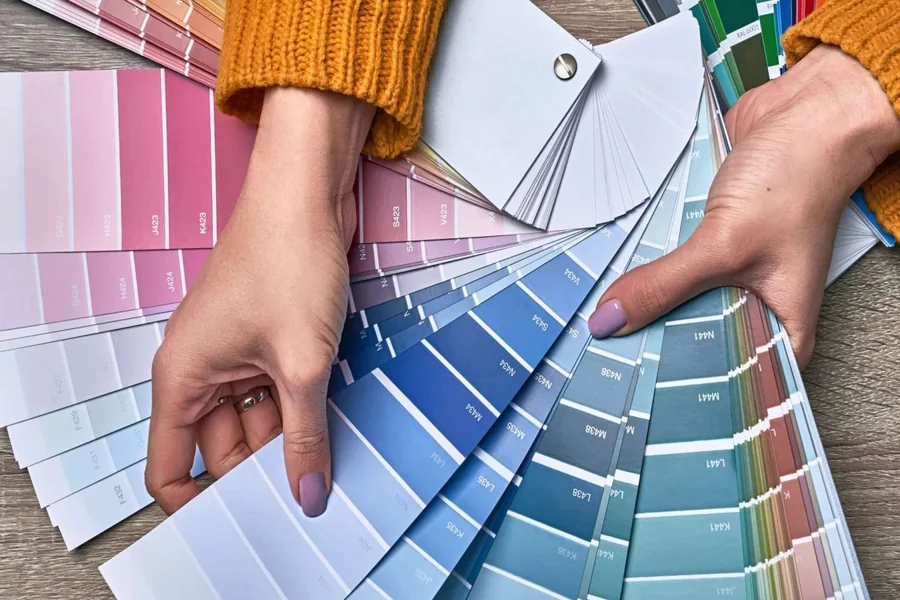
Ever noticed how some houses just seem to glow from the street while others blend into the background? The difference usually comes down to one surprisingly powerful factor: color choices.
When homeowners start thinking about boosting their property value, they often jump straight to major renovations. Kitchen overhauls, bathroom makeovers, maybe even an extension. But here’s the thing – sometimes the biggest impact comes from something much simpler. Paint.
Why Color Psychology Actually Matters in Real Estate
The truth is, potential buyers make emotional decisions first, then justify them with logic later. Walk into a home with perfectly chosen interior colors, and something just feels right. The rooms seem larger, brighter, more welcoming. That’s not coincidence – that’s strategic color selection at work.
Picture this: you’re touring two identical homes. One has beige walls throughout (safe but bland), while the other features carefully selected accent walls that complement natural light patterns. Which one sticks in your memory? Which one makes you start imagining your furniture in space?
Colors trigger responses we’re barely conscious of. Warm neutrals can make a room feel cozy without being cramped. Cool tones might open up a space and create that airy feeling everyone’s after. But getting this balance right? That’s where things get a bit tricky.
The Exterior Game-Changer
Your home’s exterior is basically a 24/7 marketing campaign. It’s working while you sleep, making impressions on neighbors, delivery drivers, and anyone browsing the neighborhood. A fresh, well-chosen exterior color scheme doesn’t just protect your investment – it advertises it.
Actually, exterior painting offers some of the best return on investment of any home improvement project. We’re talking about potentially recouping 75% or more of your investment when you sell. Not bad for what amounts to a few weeks of work.
The key is understanding your home’s architecture and the surrounding environment. A coastal cottage might sing with crisp whites and soft blues, while a heritage home could demand richer, more traditional tones. Get it wrong, and your house becomes that one everyone politely avoids mentioning.
The Inside Story
Interior color choices are where personality meets practicality. You want spaces that photograph well for future listings but still feel like home right now. This balance requires more thought than just picking your favorite colors.
Professional interior painter Sydney specialists often recommend starting with a neutral base, then adding character through carefully placed accent colors. This approach gives you flexibility to change décor styles without repainting everything.
But here’s where it gets interesting – different rooms serve different purposes, so they can handle different color strategies. A dining room might benefit from deeper, more dramatic tones that create intimacy, while bedrooms typically work better with calming, restful colors.
The Professional Difference
Look, anyone can buy paint and brushes. But there’s a world of difference between a weekend DIY project and professional color consultation plus execution. Professionals understand how different lights affect colors, how to prep surfaces properly, and which paint formulations work best for specific applications.
They also bring objective eyes to color selection. When you live in a space, you develop blind spots. A professional can spot opportunities you might miss and steer you away from choices that feel right to you but might limit appeal down the road.
Timing Your Color Investment
The best time to tackle interior and exterior painting isn’t necessarily when you’re ready to sell. Colors need time to grow on people, including you. Plus, you get to enjoy the improved aesthetics while you’re still living there.
Think of strategic color choices as an investment that pays dividends immediately through improved daily living, then again when it’s time to move on. Pretty good deal, really.
Your home’s colors are constantly communicating. The question is: what message are they sending?