How to Make Your Outdoor Space Less Attractive to Ticks
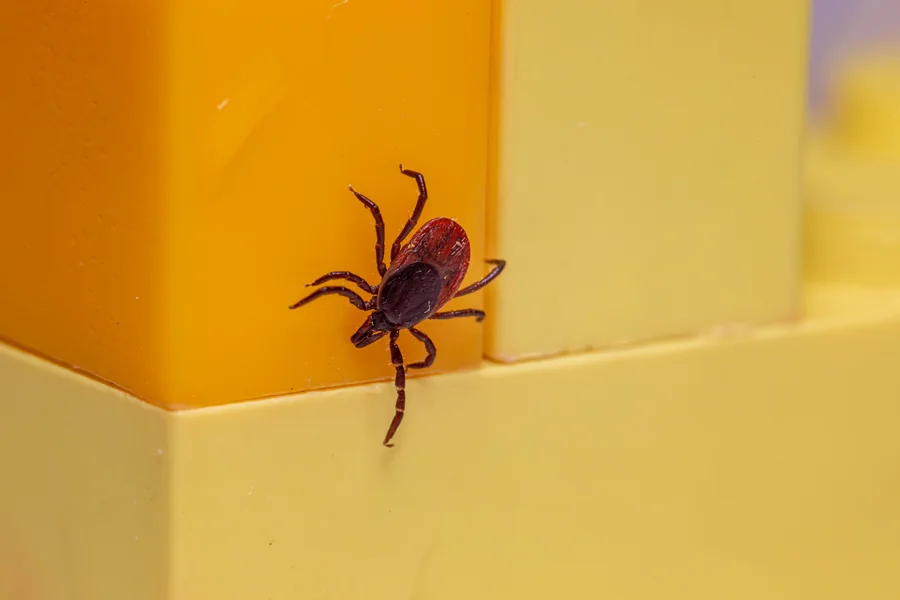
You probably think about your outdoor space in terms of comfort, style, and weekend downtime. Fair. Yet ticks can quietly turn a calm backyard into a place you second-guess. If you spend time gardening, hosting friends, walking the dog, or just reading outside, reducing tick activity matters more than most people realize. A few smart changes in landscaping, maintenance, and pest management can make your yard feel usable again without turning it into a sterile patch of grass.
Use Professional Help When the Problem Is Bigger Than DIY
Sometimes yard maintenance alone won’t cut it, especially if your property backs up to woods or you live in an area with heavy tick pressure. In that case, working with the best tick control company can make a real difference because targeted treatments are designed for the exact zones where ticks breed, hide, and wait for hosts.
That kind of service is especially useful when you want results without guessing which products work, how often to apply them, or where treatment matters most. A professional can assess conditions around your lawn, shrubs, and perimeter instead of relying on one-size-fits-all advice.
If you’ve already cleaned up the yard and still keep finding ticks, outside support is often the sensible next move.
Understand Why Ticks Like Your Yard
Ticks don’t show up randomly. They prefer damp, shaded areas with easy access to hosts like deer, mice, pets, and people. If your yard has overgrown grass, leaf litter, brush piles, and a cozy transition zone between woods and lawn, you’re basically offering them decent real estate.
They don’t fly or jump, despite the dramatic reputation. They wait on grass blades and low vegetation, then grab onto anything brushing past. That behavior makes edges especially important. The strip where your lawn meets shrubs, woods, or stone borders often has the highest risk.
If you know where ticks thrive, you can target those spaces instead of treating your whole property like a biohazard scene.
Clean Up the Areas Ticks Use as Shelter
One of the most effective ways to lower tick pressure is simple yard cleanup. Not glamorous, but very effective. Ticks need moisture and cover, so reducing both changes the environment in your favor.
If you have a decorative natural look, you don’t need to abandon it. Just avoid creating dense, damp hiding zones near places you actually use. A wild corner can stay wild, but your seating area and walking paths deserve better odds.
Create Barriers Between Lawn and Woods
Much tick exposure occurs in the areas of transition. One is strolling along a tree-fringed border, sliding a plant against a tree, and all of a sudden, an eight-legged stowaway comes to join the day. Making physical distance aids in breaking that trail.
It also gives the yard a more purposeful look, a welcome addition. Imagine it as pest-control side effects landscape design.
Also, you can locate play sets, patios, and seating areas out of the tree lines and thick shrubs. When children or pets make frequent use of the yard, situate their preferred zones in areas that are open and receive a lot of sunshine. Ticks do not like heat and dryness and this gives you an effective environmental edge.
Make Pets and Wildlife Part of the Plan
Your yard isn’t only yours. Pets, mice, raccoons, and deer traverse it and ticks like that are set up. Unless you do this part, you are not dealing with the whole of the problem.
Start with pets. Talk to your vet about the solutions that exist in tick prevention that may be used with an ageing, sizable, or fashionable dog or a feline. then daw fur after walks or high grass time. Ticks can be brought inside by pets and the element of surprise will not take long.
Wildlife management is important as well. Animal traffic can be minimized by deer fence, use of close-lid trash containers, and location of bird feeders. Another significant player is mice, as they are the hosts of the immature ticks. Keep firewood cleaned up and out of the house and close small holes around sheds or foundations.
A well-mowed lawn will not drive away wildlife, but it will make your land a less enticing place to the animals that ticks prefer.
Dress and Move Smarter Outdoors
Even a well-maintained yard isn’t a zero-risk zone. Habits at the individual level are not irrelevant, as warmer seasons allow associating more time with the outdoors, posing as yard work to achieve counts of cardio.
When you are mowing, gardening or working anywhere with shrub lines wear long socks, close toed shoes and light colored clothing. The facts of light material assist in making the ticks easier to observe before they should get comfortable. In high-risk areas, wear tuck pants in socks. It might not be a point in style but neither will having a tick later.
Use only straight ways rather than pushing through high grass. Including when you get indoors, examine your legs, waist, head, behind the knees and underarms. Taking a shower immediately after being outside may also assist in cleaning off any unscratched ticks and providing a better possibility of an early detection.
Build a Long-Term Tick Prevention Routine
Tick management is an ongoing program, rather than a panic reaction. One cleanup weekend goes a long way, but routine practices will make your yard less appealing in the long term.
Establish a routine seasonal:
- Check the edges of lawns twice a month.
- Pick leaves and debris up.
- Fill up gravel or mulch barriers when necessary.
- Examination of outside play pets.
- Plan pest control during peak seasons in case of recurrent problems in your locality.
- Monitor cold, dark areas that when it rains fill up.
Another way it can help is to monitor local tick trends and disease alerts in your jurisdiction. Seasonal, weather, and wildlife activity change the risk. Being attentive will enable you to react early enough rather than react when the ticks are unavoidable.
A safer outdoor environment often boils down to the details. Principled edges, neater edges, protection of pets, intelligent professional support can make your yard a place you would like to visit again.