1990s Style: Why the Decade’s Fashion Is Back

The 1990s reacted against the excess of the 1980s. Shoulder pads, neon and conspicuous glamour gave way to something looser, plainer and more personal. The decade produced several distinct looks at once, from grunge and minimalism to hip-hop streetwear and supermodel polish, and nearly all of them have come back into fashion in recent years.
Here is what defined 1990s style, why it keeps returning, and how to wear it now.

Grunge: Deliberately Undone
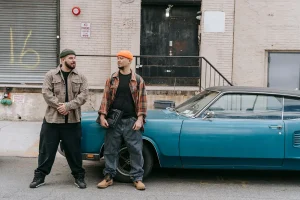
Grunge grew out of the Seattle music scene around bands such as Nirvana and Pearl Jam. The clothes were cheap, practical and often second-hand: plaid flannel shirts, ripped jeans, band T-shirts, thermal tops, cardigans, floral slip dresses worn with heavy boots, and beanies. The attitude mattered as much as the pieces; nothing looked too new or too considered.
Fashion took notice. Marc Jacobs’ Spring 1993 collection for Perry Ellis brought grunge to the runway and was so controversial that it cost him his job there, yet it is now remembered as one of the defining shows of the decade. The mix of feminine and rough, such as a delicate dress with combat boots, remains grunge’s most wearable legacy.
Minimalism: Less, but Better
At the other end of the spectrum, designers including Calvin Klein, Jil Sander and Helmut Lang championed pared-back clothing in black, white, grey and camel. Clean lines, precise tailoring and quality fabric replaced decoration. Prada made nylon and simple shapes look luxurious.
The bias-cut slip dress became the emblem of this mood. Worn alone for evening or layered over a T-shirt by day, it suggested a relaxed kind of elegance. Carolyn Bessette-Kennedy’s simple silk wedding dress by Narciso Rodriguez in 1996 is still cited as a reference point for 1990s minimalism, as are her everyday outfits of black coats, white shirts and straight skirts.
Hip-Hop and Streetwear
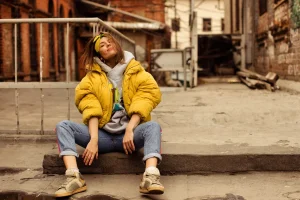
Hip-hop culture shaped much of how young people dressed. Baggy jeans worn low, oversized hoodies and puffer jackets, sports jerseys, bucket hats, bandanas, gold chains, work boots and sneakers formed a look that spread far beyond music. Brands such as Tommy Hilfiger became closely associated with the scene, and Black-owned labels such as FUBU and Cross Colours built large followings.
Women’s hip-hop style mixed oversized pieces with fitted ones: crop tops with baggy jeans, tracksuits with hoop earrings and dramatic lip liner. Much of today’s streetwear, including logo sweatshirts, relaxed denim and trainer culture, traces directly back to this period.
Supermodel Glamour and Pop Culture
The decade was also the era of the supermodel. Naomi Campbell, Cindy Crawford, Linda Evangelista, Christy Turlington, Claudia Schiffer and Kate Moss became household names, and their off-duty looks, such as jeans, white tank tops, leather jackets and simple sunglasses, were copied widely.
Film and television fed the trends too. Clueless (1995) made coordinated plaid skirt suits, knee socks and fluffy accessories into teen fashion. Friends popularized “The Rachel” haircut and a casual wardrobe of mini skirts, slip dresses and knee boots. Pop groups brought platform sneakers, crop tops and bright tracksuits into the mainstream later in the decade.

Signature 1990s Pieces
- High-waisted “mom” jeans with a tapered leg, and later wide, baggy cuts
- Slip dresses in satin or printed viscose
- Plaid flannel shirts, often tied around the waist
- Chokers, from stretchy tattoo styles to velvet ribbons
- Combat boots and platform shoes
- Small, narrow sunglasses and tinted lenses
- Baby tees and spaghetti-strap tops
- Mini backpacks and shoulder bags
- Hair accessories such as claw clips, scrunchies and butterfly clips
Why 1990s Style Has Returned
Fashion tends to revisit decades after about twenty to thirty years, when the people who grew up with them have influence in the industry and a new generation sees the looks as fresh. The 1990s fit that pattern, but there are other reasons the revival has lasted.
First, the clothes are comfortable. Loose jeans, slip dresses and sneakers suit contemporary life better than stiff tailoring. Second, the decade offers variety: someone drawn to minimalism and someone drawn to streetwear can both find a 1990s reference. Third, the growth of vintage and resale shopping has made original pieces easy to find, and many have aged well. Finally, the minimalist strand of the decade has become a template for the “buy fewer, better things” approach many people now favor.
How to Wear the 1990s Now
The best modern take mixes one clear 1990s element with updated basics:
- Slip dress, updated: wear it with a fine knit or oversized blazer and loafers or boots for daytime.
- Grunge, refined: pair a plaid shirt with straight dark jeans and a plain T-shirt, but keep the rest neat rather than distressed.
- Minimal, head to toe: a white tank, black straight trousers and a long coat is as relevant now as it was then.
- Streetwear balance: baggy jeans work best with a fitted top, or an oversized hoodie with slimmer trousers.
- One accessory at a time: a claw clip, small sunglasses or a choker is enough to signal the reference.
Look for natural fabrics and solid construction, especially when buying vintage denim and knitwear. The appeal of 1990s style lies in its ease, so the most convincing version today is the one that looks unforced.