2000s Street Fashion: The Trends Back on the Streets
Fashion runs in cycles of roughly twenty years, and the early 2000s are firmly back. Low-rise jeans, tiny shoulder bags, velour tracksuits and baggy denim have returned to shops and second-hand rails alike, driven partly by nostalgia and partly by a younger generation discovering the era for the first time.
The decade was not one single look. It moved from glossy pop glamour to hip-hop streetwear, boho, preppy and emo, often all at once. Here is what defined 2000s street fashion, and how to wear it now without looking like a costume party.
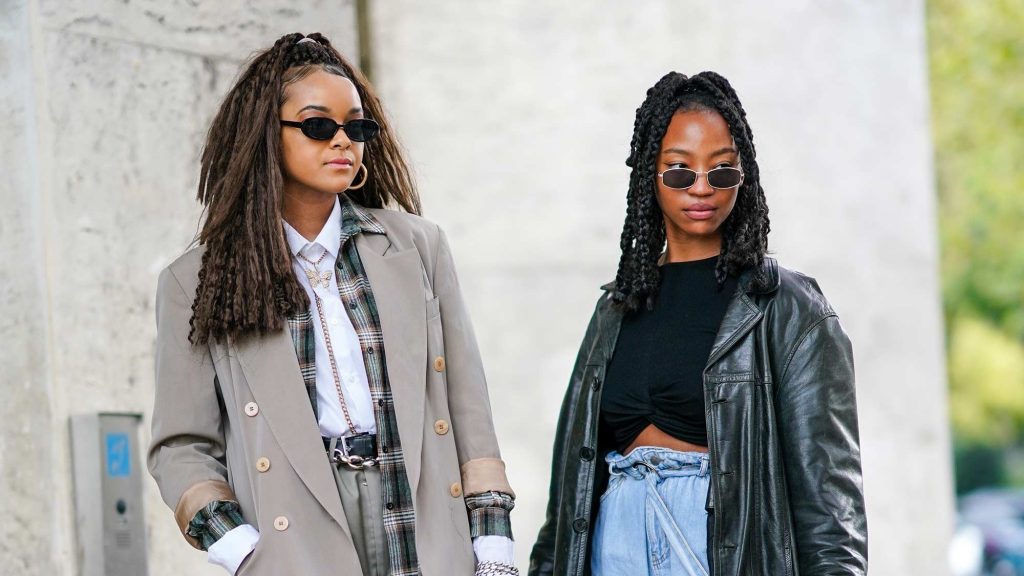
The Glossy Pop Era
The first half of the decade was loud, shiny and brand-conscious. Pop stars and reality television set the pace, and the look now often nicknamed “McBling” favoured pink, rhinestones, logos and anything that caught the light. Metallic fabrics, tinted sunglasses, butterfly clips, chunky highlights and lip gloss were everywhere.
Low-rise jeans and cropped tops
The defining silhouette was a very low waistband, often with a flared or bootcut leg, paired with a short, fitted top that showed the midriff. Embellished back pockets, distressed washes and wide belts slung on the hips added detail. Low-rise was unforgiving and impractical for many people, which is why today’s versions usually sit a little higher and are cut in a straighter leg.
The velour tracksuit
Juicy Couture’s zip-up velour tracksuits became a status symbol, worn to run errands, catch flights and be photographed doing both. The matching hoodie and trousers, often in pink or baby blue, turned loungewear into daytime dress and anticipated the athleisure boom that followed.
Trucker hats and graphic tees
Mesh-backed trucker caps from labels such as Von Dutch, and later tattoo-style graphics from Ed Hardy, were among the most recognisable accessories of the time. Slogan T-shirts, often slightly shrunken, played the same role on the body.
Hip-Hop and Baggy Streetwear
Running alongside the pop look was a streetwear scene shaped by hip-hop. Oversized jeans, long white T-shirts, sports jerseys, puffer jackets, fitted baseball caps and pristine white trainers formed the core uniform. Artist-founded and hip-hop-associated labels such as Sean John, Rocawear and Baby Phat moved from niche to mainstream, and Japanese streetwear brands began to find an international audience.
Cleanliness mattered. Box-fresh trainers, crisp tees and sharp caps were part of the point, and many of today’s collecting and “resale” habits around trainers trace back to this period. Baggy denim is also the 2000s trend that has returned most comfortably, since relaxed and wide-leg cuts suit a broad range of body types.
Boho, Preppy and Everything in Between
By the middle of the decade, other styles competed for attention. Boho brought tiered peasant skirts, coin belts, suede fringed boots, cropped jackets and big sunglasses. Preppy dressing, helped by teen television and mall brands, meant polo shirts (sometimes layered two at a time with collars popped), cable knits, pleated minis and headbands.
A few odd pairings also became widespread: dresses worn over jeans, shearling boots with denim miniskirts, and ties worn loosely with vests or tank tops. They are useful reminders that 2000s style was experimental, even when the results were uneven.
Emo, Scene and the Rise of Skinny Jeans
Later in the decade, music scenes built around pop-punk and emo produced a darker, more homemade aesthetic. Skinny jeans, band T-shirts, studded belts, checkerboard slip-on trainers, canvas high-tops, black eyeliner and long side-swept fringes defined the look. Its bolder cousin, scene style, added neon, backcombed hair and bright hair extensions.
The skinny jean that came out of this period went on to dominate the following decade across almost every demographic, which makes the late 2000s a turning point in how people wore denim.
Accessories That Defined the Decade
- Small shoulder bags worn tight under the arm, often logo-covered or in baguette shapes
- Oversized sunglasses and tinted, rimless lenses
- Hair accessories such as butterfly clips, bandanas and wide headbands
- Belly chains and body glitter for going out
- Flip phones in bright colours, often decorated with charms
How to Wear 2000s Street Fashion Today
The trick with any revival is to choose one or two references and keep everything else current. A full head-to-toe recreation reads as fancy dress; a single well-chosen piece reads as style.
- Adjust the rise. A mid-rise jean with a straight or loose leg gives the 2000s feel with more comfort and a cleaner line.
- Pair one statement with basics. A velour zip hoodie works with plain wide-leg trousers and minimal trainers.
- Update proportions. A cropped baby tee looks fresh with high-waisted baggy jeans rather than low-slung flares.
- Keep accessories selective. One shoulder bag or pair of tinted sunglasses is enough.
- Shop second-hand first. Vintage and resale platforms are full of original 2000s pieces, which are often better made than new reproductions and keep clothing in use for longer.
Why the Decade Keeps Coming Back
Part of the appeal is simple nostalgia: people who were teenagers at the time now have spending power, and those who were not see the era as fun and uninhibited. The looks are also easy to recognise and share, which suits social media. Beneath the gloss, 2000s street fashion introduced ideas that never really left, from athleisure and logo culture to trainer collecting and baggy denim. That lasting influence is why the revival feels less like a joke and more like a reference point.