Why Education and Product Choice Are Becoming Linked in Modern Beauty Careers

For much of the beauty industry’s history, education and product sourcing were treated as separate decisions. Training focused on technique, while product choice was often left to personal preference or cost. That separation is becoming harder to maintain. As beauty careers professionalise and client expectations rise, education and product selection are increasingly intertwined. Platforms such as https://www.plapro.com/, which combine professional beauty supplies with education and private-label options, reflect a wider shift toward integrated career development rather than piecemeal learning.
This change is being driven by how modern beauty professionals actually work. Whether someone specialises in lashes, nails, waxing, or a combination of services, their credibility now depends not just on skill, but on consistency, safety, and familiarity with the tools they use every day.
Education No Longer Stops at Certification
Formal certification remains essential, but it is no longer sufficient on its own. Techniques evolve, formulations change, and regulations tighten. Beauty professionals are expected to keep learning throughout their careers, especially as treatments become more specialised and clients more informed.
Education today often includes understanding how specific products behave in real-world conditions. A lash technician, for example, needs to know how adhesives perform under different humidity levels. Nail professionals must understand curing times, ingredient sensitivities, and compatibility between systems. These details are rarely abstract; they are tied directly to the products being used.
As a result, training that aligns closely with professional-grade products tends to feel more relevant and practical. Education becomes less theoretical and more about building confidence in repeatable, safe outcomes.
Product Choice as a Professional Signal
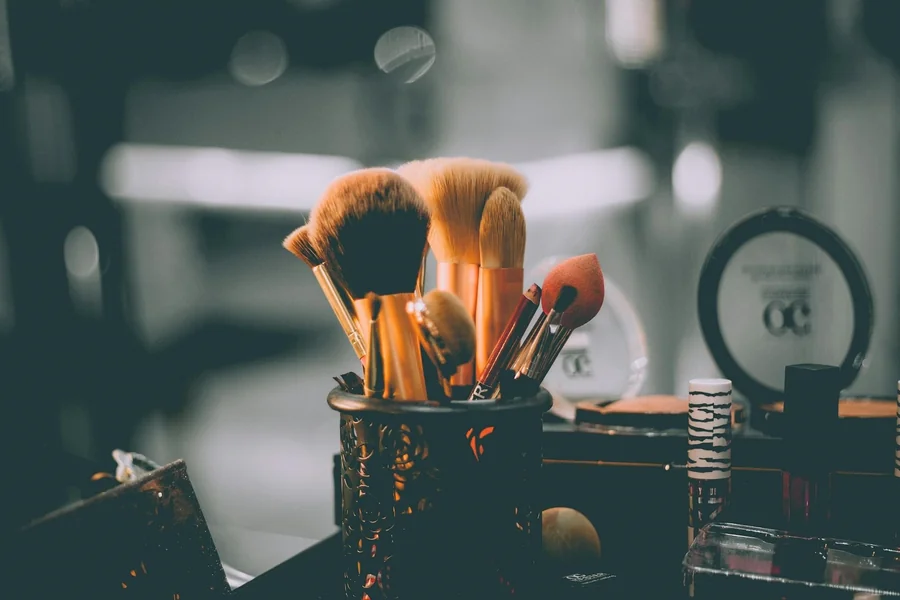
Product selection has also taken on a signalling role. Clients may not know every technical detail, but they are increasingly aware of quality, hygiene, and brand reputation. The products used during a service influence trust, especially in treatments that involve close contact or chemical processes.
For beauty professionals, choosing products they were trained with reduces uncertainty. Familiarity shortens setup time, lowers the risk of errors, and supports consistency across appointments. Over time, this consistency becomes part of a practitioner’s professional identity.
This is particularly important for those building long-term careers rather than offering occasional services. Education that introduces practitioners to reliable product systems helps establish habits that scale as their client base grows.
The Role of Ongoing Learning in Career Progression
Modern beauty careers are rarely static. Many professionals begin in home studios, move into salons, and eventually branch into education, management, or private-label ventures. Each stage brings new responsibilities and expectations.
At these transition points, education and product knowledge converge again. Teaching others requires deep familiarity with materials. Managing a team demands standardised products and procedures. Even launching a private-label line depends on understanding formulations, sourcing, and compliance.
This is why continuing education is increasingly framed around real-world application rather than isolated skills. Learning is not just about mastering a technique once, but about adapting it across different environments and business models.
Standards, Safety, and Accountability
Another factor linking education and product choice is regulation. Hygiene standards, ingredient transparency, and consumer protection are becoming more prominent across the beauty sector. Professionals are expected to understand not only how to perform treatments, but why certain products are appropriate and others are not.
Guidance from Habia highlights the importance of professional standards and accredited training in maintaining public trust. Their work emphasises that competence is demonstrated through both technique and informed product use, reinforcing the idea that education and materials cannot be separated.
As regulatory awareness grows, beauty professionals who invest in aligned education and product systems are better positioned to meet compliance expectations and respond confidently to client questions.
A More Integrated Career Model
The linking of education and product choice reflects a broader maturation of the beauty industry. Careers are becoming more structured, pathways more defined, and expectations clearer. Professionals are encouraged to think long-term, choosing training and tools that support sustainable practice rather than short-term trends.
This integrated model benefits both practitioners and clients. Professionals gain confidence, efficiency, and credibility. Clients receive safer, more consistent services delivered by practitioners who understand not just how to perform treatments, but how their tools contribute to outcomes.
In this context, education is no longer a one-time milestone, and product choice is no longer an afterthought. Together, they form the foundation of modern beauty careers, careers built on knowledge, consistency, and professional judgement rather than guesswork.