Navigating the Evolution of Virtual Entertainment Spaces
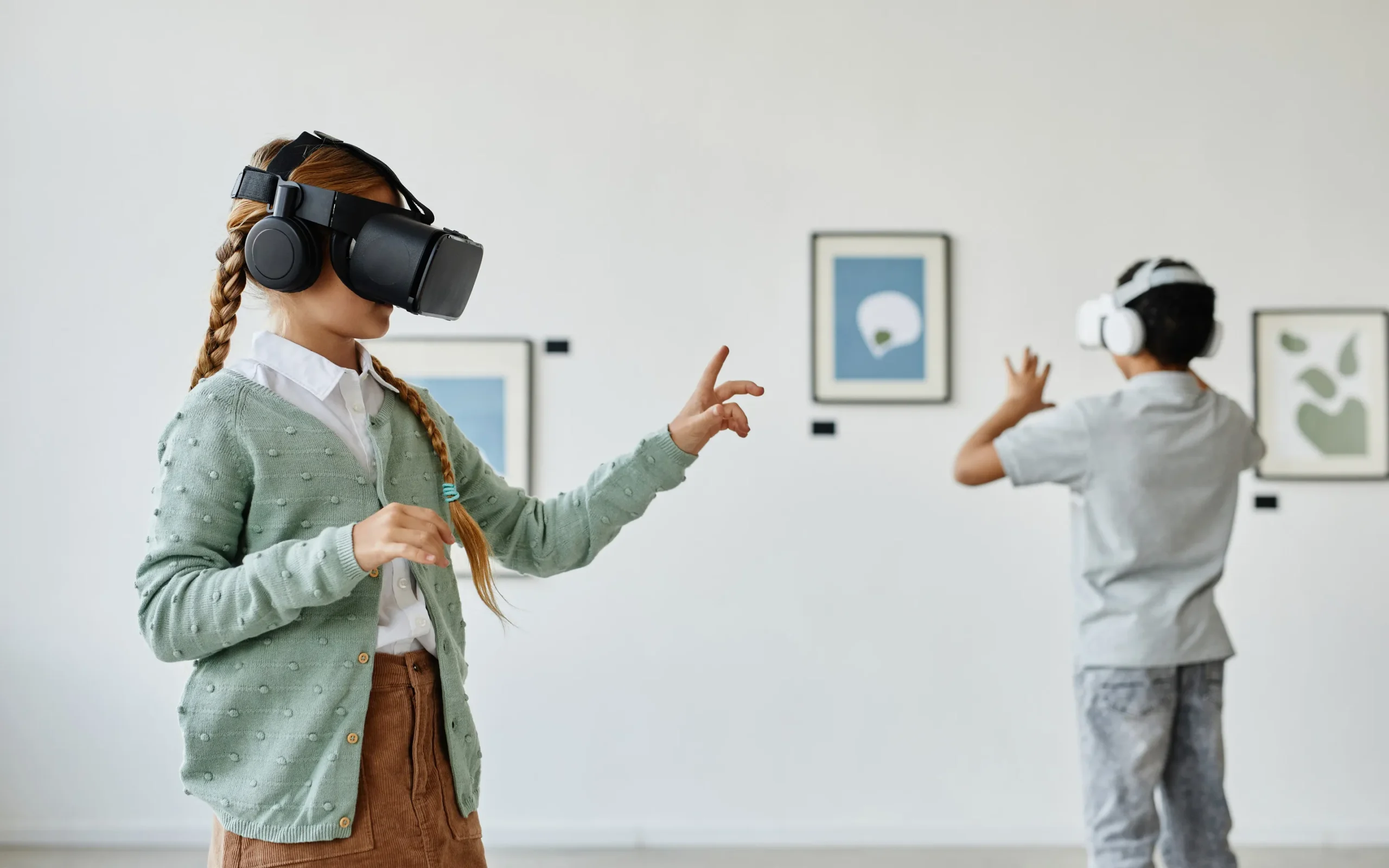
Entertainment used to be a ‘sit back, relax, and watch’ type of experience. The extent of participation consisted of shouting Jeopardy answers at the television. Otherwise, it was a very passive way of spending time, going in just one direction.
Now, people expect to be front and center. Like a ‘choose your own adventure’ book, except online. Or a first-person video game, where the player is in control. They want to be part of the entertainment, not simply a bystander, a consumer from afar. Entertainment is a social space, interactive, and always changing.
From ‘Watching Stuff’ to ‘Being Somewhere’
The biggest shift in how we consume entertainment isn’t simply due to advances in technology. It’s part of it, but doesn’t tell the whole story. It’s the feeling we need as human beings, the need to be social, to make connections.
We don’t watch television in big groups anymore, at least not most of us. In the 1980s, it would be a common thing to have the neighborhood get together for the latest episode of Cheers or Miami Vice.
Now, not so much. It’s an individual experience, often via a smartphone. The in-person interactive component is not there as often as it used to be, which means it needs to be embedded in the technology itself.
Platforms today take an all-in-one role in entertainment, behaving like virtual venues, effectively hosting social gatherings, but it all happens online. It’s about community, not consumption.
Streaming Is Not Television
Streaming doesn’t replace television. Instead, it’s a mutated version. There’s chat, co-watching, live interactions, and viewer-led content; it’s an experience driven by both consumer and creator.
Live formats have brought back appointment viewing (and even streamers are going back to it); it’s a social gathering of sorts. Viewers talk to each other while the content creator is on. Not just with each other, but with the creator, too.
For some, the comments are the content. When watching a YouTube live stream, for example, some people spend more time tracking what others are saying about the show, rather than watching the show itself.
Hybrid platforms are also changing the game. Services now mix live and on-demand, and viewers are getting used to it. The technology is there to make this possible, with personalization and interactivity now delivered in a more stable environment (in other words, no annoying crashing or buffering).
Gaming is a Social Hangout
Gaming used to be a 1-player experience, a story-led affair that lived inside a bubble. Many AAA games still work in this format, but nowadays, most gamers spend more time on games with an interactive component.
Roblox is a primary example. It has over 150 million active users, and almost 40 billion hours of gameplay logged. That’s not dabbling, or stepping in to play every once in a while; that’s a routine.
Players spend meaningful time in games because they’re more than ‘just’ that. They are where you meet friends and new people. There’s constant novelty, with new elements being added daily, rather than a static gaming environment.
The trends can be seen throughout the video game industry, with iGaming now also increasingly moving towards providing a similar community-led experience. Instead of virtual table games, operators like SkyCity Casino have live dealer options. It’s not just about the cards or the roulette wheel, but having banter with the dealer and conversing with other players.
More Immersive, More Integrated
The next wave of development isn’t just about providing a more immersive experience for players. It’s about integrating virtual entertainment spaces with what’s happening in the ‘real world’. Augmented Reality has already experienced some success, with games like Pokémon Go, but it’s only the beginning.
Platforms are now increasingly looking to integrate services across different spaces. Think about how you sign in to your favorite places: Apple ID, Google, the PlayStation network, for example. You don’t start afresh each time you enter your account, but instead, you’re diving into an existing online persona.
The next step is getting these to work together. You’ll soon be able to jump from a streamer’s live show to a game lobby on another platform, with a synced experience, the same people on both communities, no awkward re-intros, just straight into the action.
In games like Roblox, that’s already happening to a point. Experiences within the game are taken outside, so to speak, like creator channels, merch drops, chat communities, ensuring Roblox doesn’t end when you log off.
It’s a Social Space, Not a Doom Scroll Venue
Instagram and Facebook introduced the doom scroll, but we’re moving beyond simple content feeds to digital living rooms. We want more than just reels, and are instead looking for interactivity, communities that grow, and an extension of ourselves within the virtual environments we visit.
Live entertainment formats are the key to future development. In a world where we are increasingly connected yet more and more lonely, businesses that can create human connections within a virtual entertainment environment will be the ones to succeed.