The Nose Job Conversation Nobody in Wellness Is Having (But Should Be)
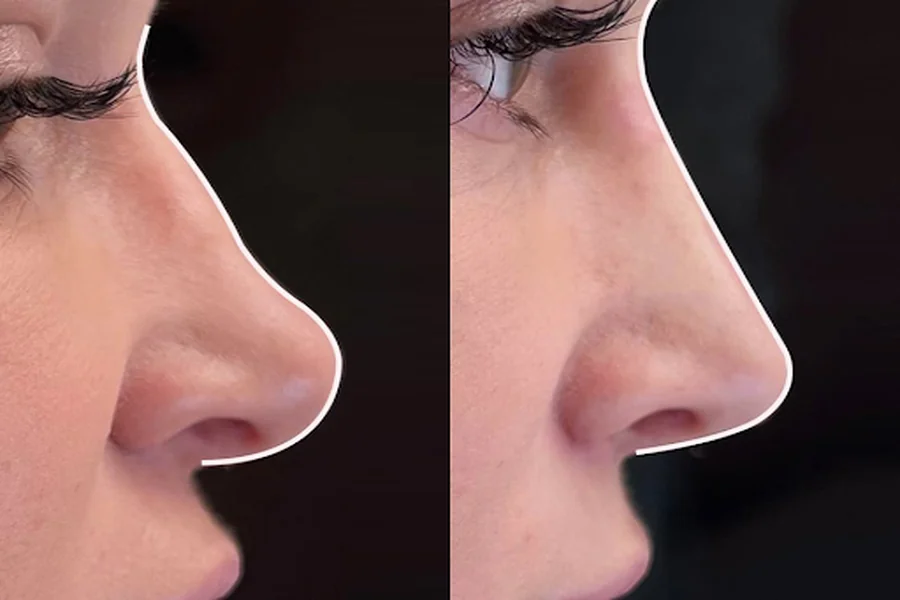
There’s a specific tension that lives inside the wellness community around plastic surgery. On one side: the deeply held belief in body acceptance, self-compassion, and rejecting the beauty standards that have caused so much harm. On the other: the quiet, persistent reality that a lot of women who hold those beliefs genuinely, who live them out daily, also have something about their appearance they’d change if the barriers were lower.
Rhinoplasty sits at the center of that tension more than almost any other procedure. It’s the most searched cosmetic surgery globally. It’s also the one women are most likely to feel they need to justify — to others and to themselves.
This article isn’t going to resolve that tension, because the tension is real and worth sitting with. What it will do is give a clear-eyed look at who is actually choosing rhinoplasty today, why, and how the conversation around it has changed in ways that are worth paying attention to.
The “Natural” Rhinoplasty Shift
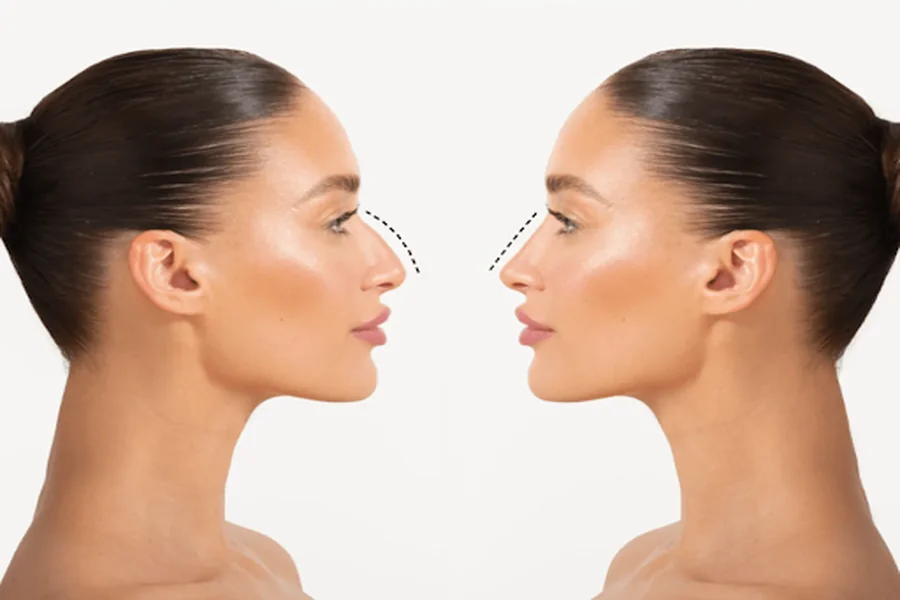
The aesthetic that propelled rhinoplasty in the largest part of the 20 th century was one of subtraction: remove that which is excessive or too broad or too ethnic and reduce it to a smaller, thinner version of Anglo-European. The culturally harmful nature of that standard is quite famous and continues to reverse.
The change that could be noticed over the past decade is a significant one in the way the most skilled surgeons take the procedure. The aim today, it may seem of practitioners doing the job excellently, is not to establish a standard but to perfect proportion. To discuss the exact item that is troubling this patient, within the context of this face in a manner that feels completely natural.
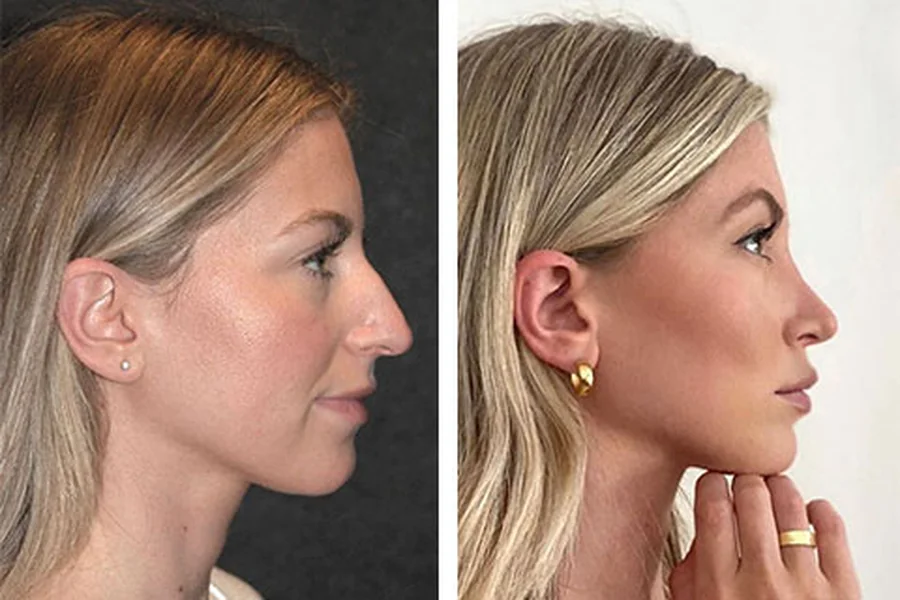
This is what the profession refers to as preservation rhinoplasty – a series of methods which operates within the existing structure of the nose and not radically re-creates it. The outcome fades away leaving no traces of surgery. The nose resembles the way it used to appear at all times, only better. The patient does not look like he or she had cosmetic surgery. They look like themselves.
For women who’ve been hesitant about rhinoplasty specifically because they don’t want to look altered, this shift is significant. It changes the risk calculus of the procedure in a real way.
Why More Women Are Going to Albania for It
The price of rhinoplasty in Western Europe and North America has always been a barrier. In London or New York, a rhinoplasty with a reputable surgeon typically runs between £6,000 and £15,000 depending on complexity. For a surgical outcome that depends heavily on the individual skill of the operating surgeon — rhinoplasty is one of the most technically demanding procedures in plastic surgery — paying more for the right person makes sense in theory. In practice, that price point puts it out of reach for most people.
Albania has become one of the most discussed alternatives in the medical tourism space, not because it’s the cheapest option available, but because it offers a specific combination: surgeons who trained at major European centers, operating with modern equipment, at prices that are a fraction of Western European equivalents. For rhinoplasty in Albania, patients from Italy, Germany, and the UK are increasingly making the trip after doing the same level of research they’d apply to any significant decision.
The communities where this information circulates are detailed and discerning. People share surgeon portfolios, healing timelines, complication rates, and honest assessments of the full experience — the logistics, the accommodation, the aftercare. The information is there for anyone willing to find it.
The Psychological Side That Rarely Gets Discussed
Here’s what tends to get left out of both the pro-surgery and anti-surgery conversations: for a subset of people, the feature they’ve spent years fixating on is genuinely affecting how they move through the world. Not because they’ve internalized a harmful standard, but because the self-consciousness itself has become a limitation.
Research on rhinoplasty outcomes consistently shows high rates of satisfaction — not because surgery solves underlying psychological issues, but because for people who have a specific, concrete, long-standing concern, addressing it removes a real source of friction. The mental energy that was going toward managing that self-consciousness gets freed up for other things.
This isn’t an argument that everyone who’s unhappy with their nose should get surgery. It’s an argument that the blanket framing of cosmetic surgery as inherently anti-feminist or anti-wellness flattens a more complicated reality. For some women, the most self-compassionate decision is to stop managing around something that can be addressed.
What to Actually Research Before Deciding
If you’re at the stage of genuinely considering this, the research process matters more for rhinoplasty than for almost any other cosmetic procedure. The reasons:
It’s irreversible in meaningful ways. Revision rhinoplasty is significantly more complex than a first rhinoplasty, because the surgeon is now working with scar tissue and altered anatomy. Getting it right the first time matters more here than in most contexts.
Results are highly surgeon-dependent. The same technique in the hands of two different surgeons produces meaningfully different outcomes. Looking at extensive before-and-after portfolios — specifically cases that resemble your own nose type and desired change — is not optional.
Healing takes longer than you’d expect. Significant swelling resolves in the first few weeks, but the final result isn’t fully visible until twelve months post-surgery in many cases. Understanding this timeline going in prevents a lot of unnecessary anxiety during recovery.
The women navigating this well are the ones who treat the research phase with the same thoroughness they’d bring to any other major decision. They consult multiple surgeons. They ask hard questions about approach and technique. They look at portfolios with a critical eye rather than just picking the most aesthetic gallery.
That process — rigorous, honest, self-directed — fits entirely within a wellness framework. The decision at the end of it belongs to the person making it.
This article is for informational purposes only and does not constitute medical advice. Consult a board-certified plastic surgeon for personalized guidance.