Chinese Street Fashion Where Tradition Collides With Futuristic Flair
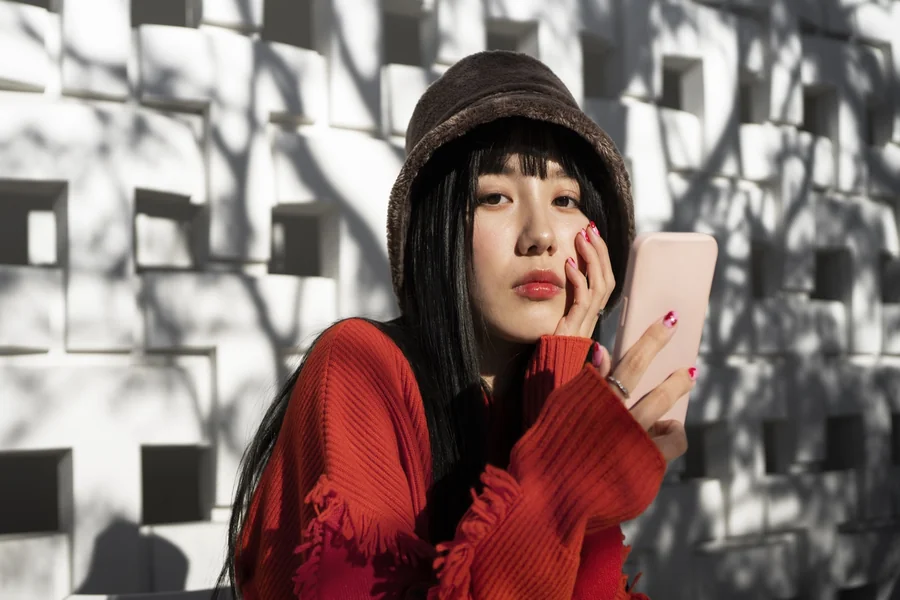
The sidewalks of Shanghai and Chengdu draw eyes from around the world. Viewers discover these scenes on their smartphone screens. Viral videos capture stylish figures striding in slow motion through luxury districts.
They appear straight from a film. Preparation goes into every detail, even for a quick coffee run. This style results from careful planning. It fuses ancient silk traditions with advanced nylon materials. Observers react with surprise to the sheer confidence. Streets now serve as dynamic runways. Traditional fashion authorities watch closely. They mix concern with genuine respect. The movement arrives loud and direct. It holds nothing back. Most important, it reshapes how people everywhere view clothing. This surge represents Chinese street fashion.
Guochao Fever Gripping The Youth
Guochao enters every important conversation in the industry. The term means national tide. For decades, young people in China chased Western logos for status. They sought prestige from French luxury or American sportswear. Those preferences have faded. Cultural pride now drives Gen Z wardrobes. They refuse to accept that coolness arrives only from New York or Paris. The logic feels clear. Why adopt foreign brands when local history brims with artistic treasures?
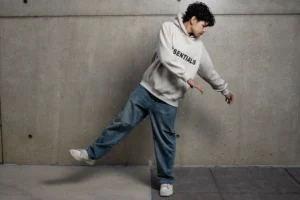
Guochao pulls classic elements and updates them with bold, modern energy. A teenager wears an oversized hoodie. A giant embroidered dragon covers the back. It recalls imperial robes yet fits everyday street life. Mandarin collars refresh denim jackets. Silk embroidery pairs with sturdy combat boots. This combination declares culture as active and relevant. It lives and breathes instead of resting in displays. Critics may label it nationalistic. For the kids on the streets, it centers on identity. They reclaim the Made in China label and elevate it to something prestigious.
This shift runs deeper than clothes. It marks a complete psychological change. The generation views its heritage with fresh pride. Here’s the thing. Teens shop with a new purpose. They select pieces that tell stories. But they update them for today. Dragons symbolize strength on fabric. Boots add edge.
The mix works perfectly. So, they wear it with confidence. You notice the empowerment in their stride. The trend builds community. It spreads excitement among peers. And it connects past and present in ways that feel natural and strong. Pride shows in every outfit choice. The movement gains strength daily.
Opiumcore And The Dark Side Of Style
Guochao celebrates its bright heritage. Opiumcore offers its moody, mysterious cousin. The name sounds provocative. It carries no link to actual substances. This aesthetic creates a dark visual language. Imagine a futuristic gathering in a rainy alleyway. Black, charcoal, and deep greys rule the palette. Silhouettes distort and extend. Long flowing coats trail along the ground. Layers of distressed fabric stack up.
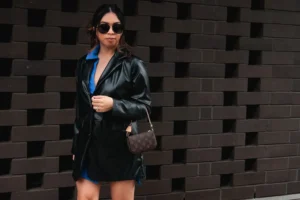
Texture takes center stage. Leather meets heavy wool and raw cotton. The look rejects the bright, poppy colors of mainstream fast fashion. In Beijing, these outfits create sharp contrast against neon signs. Wearers project distance. They seem unapproachable. That serves the purpose. The outfit acts as armor. It lets them be seen but not touched. The style feels avant-garde. It looks expensive even when built from thrifted pieces.
This side adds intellectual depth to Chinese street fashion. It stays moody and intense. Images flood social media constantly. People connect with its raw emotion. The darkness provides escape from everyday brightness. It stands out in busy cities. And it appeals to those who value seriousness. The contrast makes the scene richer. Observers appreciate the sophistication. So, the aesthetic grows in reach. It offers balance to brighter trends. The edge feels authentic and timely.
Techwear Is Not Just For Nerds Anymore
China operates some of the most advanced cities on the planet. These places resemble scenes from science fiction. Residents respond by dressing the part. Techwear fuses form and function perfectly. It goes beyond appearance. It prepares the wearer for daily realities. Southern weather shifts without warning. High-performance fabrics meet the challenge. Gore-Tex repels moisture. Technical nylon and heat-bonded seams deliver durability.
The visual language stands unmistakable. Straps, buckles, and numerous pockets cover the garments. Certain jackets feature fifteen storage compartments. Colors remain neutral. Olive drab, matte black, and slate grey dominate. The gear looks tactical and ready for urban survival. Experienced voices sometimes dismiss it as glorified camping equipment. But young people in Shenzhen embrace it fully. They need space for chargers, multiple phones, and accessories. The design stays sleek and aggressive.
It mirrors the speed of modern life. Wearers signal constant motion. They handle whatever comes their way. You encounter this look on daily commutes. It solves practical problems with style. The utility enhances the overall appeal. And it fits busy routines perfectly. The trend continues to expand. It matches the high-tech surroundings. Preparation meets creativity in every piece.
The Douyin Effect And Digital Fame
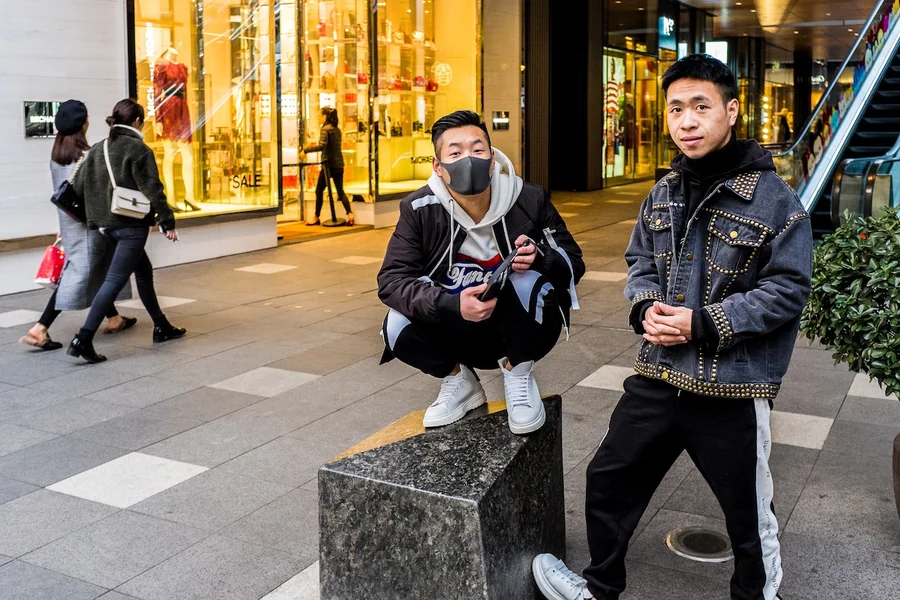
Smartphones fuel the entire movement. Apps like Douyin and Little Red Book accelerate trends. Douyin functions as the local powerhouse similar to TikTok. Street walk videos have become a global phenomenon. A photographer positions at a busy corner. They film a stylish person in dramatic slow motion. These clips attract millions of views. They create new kinds of celebrities.
Most participants work as influencers. They know camera locations and timing. They pivot smoothly and engage the lens. Some critics argue it feels staged. They worry it harms natural street energy. Fashion has always involved performance, though. These platforms simply enlarge the stage. A trend starts in a small Chengdu shop. It reaches the world before dinner. The speed feels incredible. Feedback arrives instantly. If chunky sneakers appear in three viral videos, they sell out within the hour. The digital environment creates high-stakes competition.
Yet it keeps creativity flowing. Creators adjust quickly. The loop pushes bold experiments. Digital fame motivates stronger expressions. It turns ordinary moments into cultural events. The platforms build excitement across cities. Trends evolve rapidly. And the scene stays fresh because of it.
Local Brands Killing The Global Giants
Western logos once defined relevance. That requirement no longer applies. Local brands now set the pace. Li-Ning started as basic sportswear. Creative decisions transformed it. Appearances at Paris Fashion Week raised visibility. Shoes took architectural forms. The label quickly became the hottest choice domestically. It proved local companies could compete directly with Nike or Adidas.
Independent designers create major waves. Feng Chen Wang specializes in deconstructed style. She dismantles traditional garments and reassembles them in unexpected ways. Angel Chen delivers colorful explosions. She combines heritage motifs with punk energy. Global celebrities favor her collections. Sankuanz focuses on aggressive, tactical aesthetics that advance techwear.
These creators tell deeper stories through their work. They present unique visions. They avoid copying scenes from London or Paris. They choose to lead instead. Their confidence spreads through the community. The entire environment feels renewed and exciting. Local success inspires more innovation. Brands and designers push boundaries together. They elevate the whole scene with fresh ideas.
Read More: Old Money Fashion Secrets Of The Global Elite
The East Emerges As Global Style Leader
Global attention now turns eastward for fresh inspiration. Chinese streets supply original ideas. The deep history combines with high-speed technology. The result creates something new and compelling. It feels messy yet beautiful. It occasionally confuses but always captivates. Pride from Guochao meets utility from techwear. Dark intensity from opiumcore adds layers.
Chinese street fashion marks a lasting structural change rather than a passing fad. Cameras keep rolling in Chengdu. Designers test limits in Shanghai. The rest of the world works to keep pace. This period brings genuine excitement for observers. Developments show no signs of slowing. The blend of heritage and innovation produces ongoing creativity. Youth embrace both aspects fully. They craft outfits that honor the past while facing the future. International audiences draw from these sources. Trends cross borders with ease. The leadership builds on solid foundations. It continues to evolve naturally. The energy remains dynamic. And the influence grows stronger each season.
FAQs
What exactly is the Guochao trend?
Guochao means national tide. Young people mix Chinese heritage with modern streetwear. They show pride in their culture.
How does opiumcore differ from traditional goth fashion?
Opiumcore uses dark colors and advanced silhouettes. It draws from luxury designers. The look feels more futuristic and refined.
Why are techwear and utility styles so popular in Chinese cities?
Techwear handles city weather well. It offers many pockets for gadgets. The style matches fast urban life.
What role does social media play in the rise of these street styles?
Social media spreads trends quickly. Douyin videos turn walkers into influencers. Ideas reach global audiences fast.