What Makes Origami-Inspired Jewelry a Truly Unique Accessory
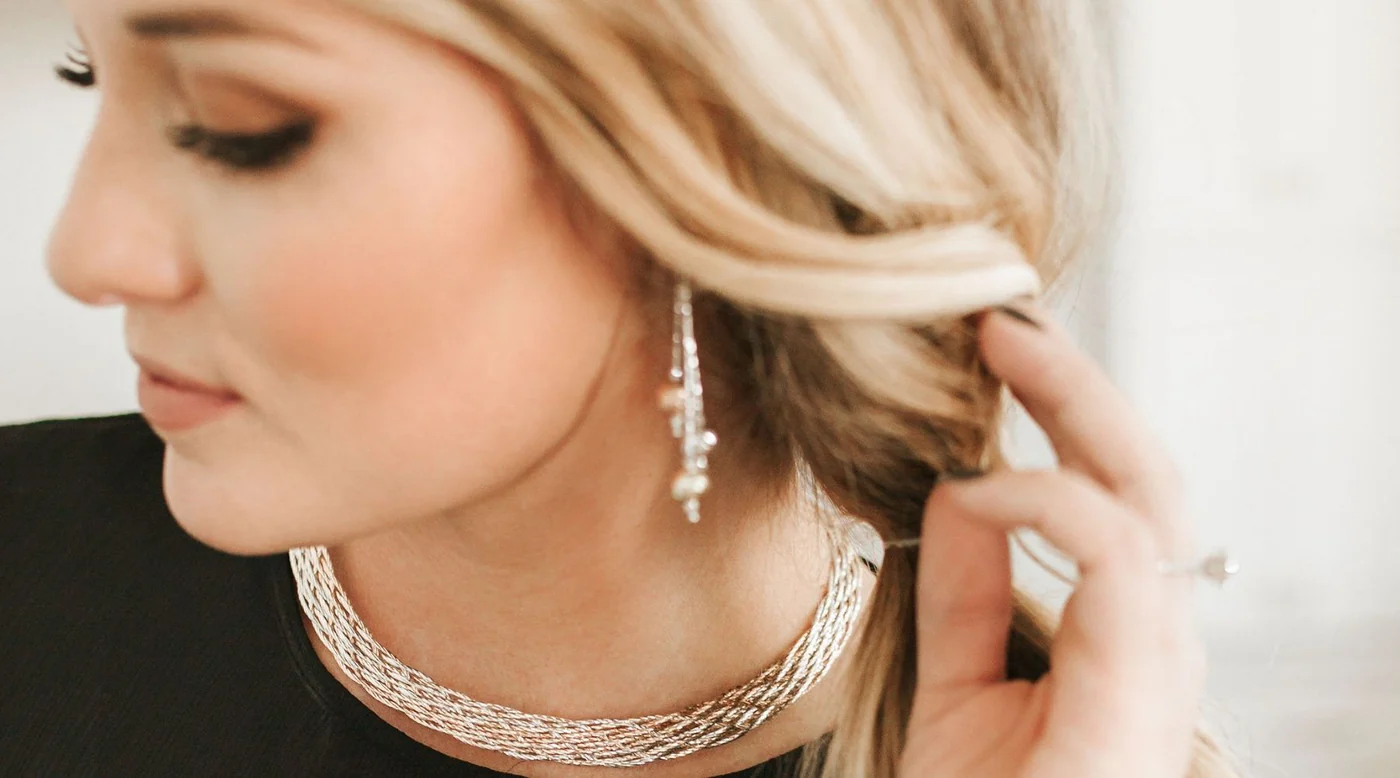
Origami-inspired jewelry is distinctive because it simultaneously carries two stories. One comes from paper folding, a practice tied to patience, geometry, and ritual. The other comes from metalwork, where heat and pressure turn thin surfaces into lasting form. That pairing gives each piece uncommon depth. Wearers see shape, shadow, and motion in a compact object, and the result feels thoughtful rather than ordinary. Its appeal extends beyond ornament, as the form itself tells a story.
Folded Identity
Many accessories rely on stones, polish, or scales for impact. By contrast, origami jewelry draws attention through folded lines that suggest movement without noise. Its appeal rests on silhouette, negative space, and crisp angles. Those traits echo paper models, while precious metal adds permanence. Because of that contrast, the design feels artistic, precise, and easy to notice.
Geometry Matters
Origami shapes guide the eye through order, balance, and tension. Small triangles, sharp edges, and clean planes catch light in changing ways. A plain hoop or round pendant has a single outline. Fold-based design creates several visual moments at once. That layered effect gives a compact item greater presence, even when the piece stays delicate and light.
Craft Shows
This style asks for accuracy. If one fold sits slightly off, the whole pattern can lose clarity. Jewelers must control thickness, spacing, and finish so each angle reads cleanly. Fine work becomes visible near the edges, where lines meet, and surfaces shift. As a result, the accessory bears the evidence of skilled hands rather than mass-produced repetition.
Meaning Stays Close
Paper folding often carries meanings linked to focus, peace, luck, or memory. When those references shift to gold or silver, the message remains personal without becoming obvious. A crane, flower, or abstract fold can mark a value, a place, or a moment. That quiet symbolism gives the wearer a stronger connection than trend-based styling usually provides.
Modern, Yet Soft
Some statement jewelry appears bold but challenging to pair with. Origami-inspired pieces avoid that problem because structure replaces excess. Their lines look modern, while their scale can remain restrained. This balance helps them sit well with workwear, evening clothes, and simple casual outfits. The effect is distinct, though never loud, which explains their appeal across age groups.
Texture Creates Motion
Folded surfaces change with every shift in light. A flat polished plate reflects in one direction, but angled planes create highlights and shadows across the piece. That movement makes earrings and pendants seem active, even at rest. Wearers often respond to this quality first, because the eye reads depth before it registers material, price, or decorative theme.
Nature, Refined
Many origami-inspired collections use animals, petals, insects, or leaves. Those subjects already contain strong outlines, which suit folded construction. The translation turns familiar figures into cleaner, more graphic shapes. Instead of copying nature exactly, the jewelry edits it. That choice lends the piece charm with restraint, allowing whimsy and refinement to coexist without visual clutter.
Small Scale, Strong Effect
Large jewelry can seem special simply because it occupies space. Fold-based design proves scale is not the only route. A small stud or narrow charm can hold an intricate structure within a compact frame. That compression creates surprise. People notice how much information can fit within a modest footprint, and that contrast often makes the accessory more memorable.
Wearability Counts
A distinctive accessory fails if it feels awkward after an hour. Fold-inspired pieces often succeed because visual interest comes from line rather than bulk. That allows lighter construction and a cleaner balance on the ear or neck. Comfort matters more than many trends admit. When a piece wears easily, people reach for it often, and uniqueness becomes part of their daily routine.
Art and Object
These designs sit between adornment and small sculpture. They satisfy practical needs, yet they also invite a second look. Viewers can read them as a craft, a symbol, or a composition, depending on distance and context. Few accessories manage that range. By holding utility and artistic intent together, origami-inspired jewelry gains a character that standard decorative pieces rarely match.
Conclusion
Origami-inspired jewelry earns its place through structure, meaning, and craft. It transforms a familiar paper art into lasting metal without losing the sense of lightness that made the source compelling. Clean geometry, subtle symbolism, and shifting texture give each piece a voice of its own. For that reason, these accessories feel personal, artful, and lasting, which is why they continue to stand out in a crowded market. Their value grows with use, as their character remains clear over time.