Why Consumers Are Drawn to Functional Yet Stylish Fashion
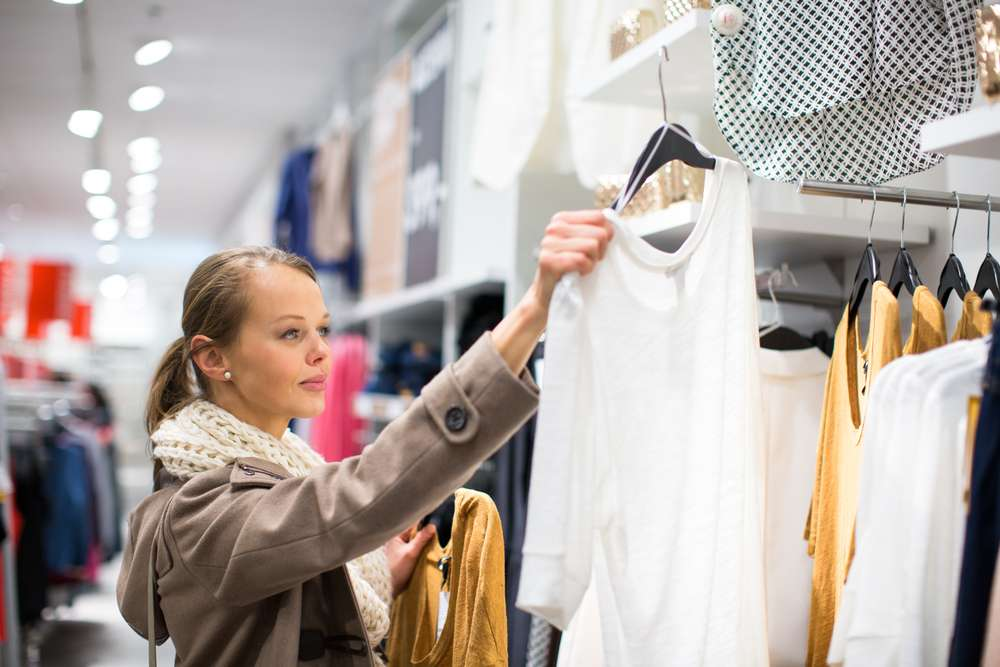
In recent years, the relationship between fashion and practicality has gone through some significant changes. Modern customers do not desire clothes to have a sleek appearance and fail to be comfortable. When wearing, they desire ones that are not painful and pinchy and can support them in many different circumstances. After all, the way of life of modern people allows them not to stand on the spot looking pretty all day long – we have things to be getting on with! In this regard, fashion tends to balance both aesthetics and functionality of the fashion, which is gaining more popular. It is time to have a closer look at this increasing trend and how it has affected the fashion industry:
The Power of Collaboration
More and more, we are witnessing major fashion brands partnering with sportswear and athleisure brands to create a wearable that is practical, comfortable, stylish, and multi-functional. The recent SKIMS collab with Nike is a good example of this. Such a cooperation underscores not only the possibility to combine comfort and style in the same collection, but also the efforts of hard brands to reach the new comfort-seeking customer. Finally, such functionality and design combination illustrates the general shifts in consumer expectations in the fashion industry.
When Form Meets Function
The emergence of utilitarian fashion is tightly related to the ever-shifting contemporary life. In our days, individuals interact, in work, travel, exercise, and social environments all within a few short hours- with little time to prepare in between.This has created a lot of demand for versatile pieces that work in a diverse range of situations and contexts. Since this is a natural side-effect, customers are emphasizing comfort, mobility and style alongside comfort.
The Influence of Athleisure and Streetwear
This has been significantly contributed by the increase in athleisure and modern street wear that started to gain momentum in the pandemic. Athleisure wear is in-between activewear and everyday wear, where comfort and style are highly valued. Performance fabrics, oversized constructions, nice sneakers and coordinated collections have all become part of this style and have assisted to revert what consumers perceive as trendy or part of mainstream.
Sustainability and Conscious Consumerism
Consumers today are much more conscious of their shopping habits, where and how they shop, than their fore-runners. Sustainability, durability and ethical production procedures are steadily affecting the buying choices, particularly in younger populations.
Apparel with both utilitarian and prolonged wear is in line with these ties. Instead of purchasing fast fashion or fashion-based products that have very limited prospects of lasting long-term service, consumers are immediately switching to more classic, multi-purpose products that can be re-worn on various occasions.
The Role of Digital Culture
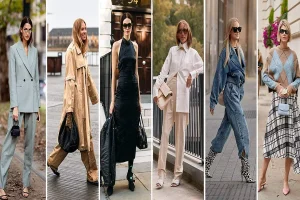
Social media has increased the pace at which functionality-based fashion has gained popularity through displaying how versatile clothes integrate into actual lives. More and more, influencers, celebrity representatives, and content creators draw attention to outfits that should be comfortable and at the same time be styled high. This renders functional fashion aspirational and affordable. Travel outfits, airport style, off-duty fashion, and wellness-inspired wardrobes have become especially prominent online.
Conclusion
The increasing popularity of stylish and practical clothes is an indicator of bigger shifts in the lifestyle, consumer orientations as well as the manner in which consumers relate to clothes today.
Contemporary consumers seek additional value in the wardrobes and not only visual pleasure. They are progressively attracted to items that facilitate movement, comfort, versatility, and sustainability and at the same time, enabling personal style, and self-expression.