Polygraph Tests In Relationship Counseling: Are They Effective?

Sometimes, when trust is lost in your relationship, discussion doesn’t help clarify things anymore.
You ask questions in various formulations, but with no solution. By this point, it is difficult to make the distinction between reality and feelings, and any meeting appears to be a continuing conversation about “unresolved doubts.”
When that happens, you may start looking for a way to get clearer answers and move beyond endless speculation.
This is one of the reasons some couples consider a polygraph test. This test does not depend on different explanations but instead offers a systematic, professional investigation conducted by a knowledgeable professional when trust has been lost.
But how reliable is that process in practice, and can it actually help couples move forward?
Let’s take a closer look at the role a polygraph can play in relationship conflicts involving trust, how it works, and the factors that keep it accurate in relationship counseling.
Understanding Polygraph Tests
The polygraph test, also referred to as a lie detector test, is done using a scientific diagnostic instrument that records an individual's physiological response to questions. During the exam, the instrument monitors blood pressure, pulse rate, electro-dermal activity, and respiration.
Most importantly, the polygraph instrument cannot determine if someone is lying or not. Instead, it is used to log the physiological changes that can happen when a person is stressed or answers certain questions. These responses are analyzed by a trained examiner based on a structured process.
All professional polygraph exams are conducted in stages.
First, the examiner conducts a pre-test interview to discuss the issue and review the questions. This is then followed by the actual examination. Lastly, the examiner looks over the information gathered and prepares the findings.
Why Couples Consider Polygraph Testing

In relationships, conflict may reach a point where situations arise that appear outside the scope of discussion. In many cases, one partner insists they are telling the truth, while the other remains unconvinced.
As a result, couples may seek a polygraph test for issues such as:
- Suspected infidelity
- Hidden financial activities
- Breaches of trust
- False accusations
- Disputes involving past behavior
During these times, the aim is generally not punishment. Instead, many individuals want clarity. They hope that an independent examination can give them information that will help them make decisions about the future of the relationship.
Moreover, in cases where ongoing doubt has existed for a long time, finding out more information can at times enable both people to move on from constant suspicion and emotional issues.
How Polygraph Tests Can Support Relationship Counseling
Relationship counselors concentrate on enhancing interaction, comprehending feelings, and dealing with conflicts between couples. However, counseling does not always establish factual certainty regarding disputed events.
In this case, a polygraph exam may complement the scenario.
For instance, when a major disagreement is focused on a particular accusation, the examination could include information that aids in the resolution of the issue. As a result, the counseling dialogue may change from a discussion of facts to a conversation about emotional healing and rebuilding trust.
A partner might also be willing to test in some situations, which could show a level of transparency. This does not solve relationship problems but can help to enrich the counseling setting.
Furthermore, if there is less uncertainty, then both parties can start talking about the future of their relationship with more confidence and deliberation.
Factors That Influence Effectiveness
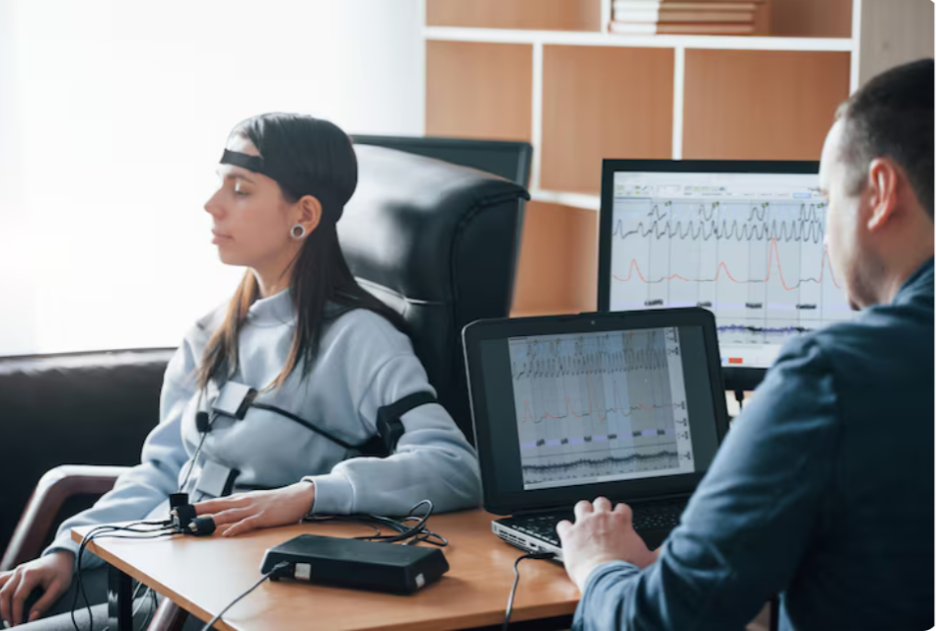
There are several key factors that contribute to a properly conducted polygraph exam and its usefulness in relationship counseling.
- Quality of the Examination
The exam must be performed professionally. The training and methodology of the examiner who is conducting the test directly affect the test. A logical sequence following professional standards is likely to yield positive and predictable outcomes.
- Clearly Defined Questions
The questions asked can have a great influence on the accuracy and usefulness of the examination. Questions need to be specific and relevant; non-specific questions can cause confusion and less reliable results.
- Expectations of Both Partners
Polygraph testing should not be regarded as a cure-all solution for relationship problems. Communication and effort are still necessary for emotional issues and concerns about trust, even after testing has occurred.
Are Polygraph Tests Effective in Relationship Counseling?
This is dependent largely on the definition of effectiveness.
If the goal is to establish a structured process for addressing a disputed issue, a professionally administered polygraph examination may provide valuable information. This can help decrease uncertainty, aid transparency, and establish a foundation for future conversation.
But in situations where it is hoped that a polygraph test will instantly mend a broken relationship, it may not live up to the corresponding expectations.
Relationships are emotional, psychological, and interpersonal in nature, and are not solely the concern of any individual exam.
Polygraph testing is best used as a method to improve dynamic relationship issues as a whole. Taken in conjunction with communication, professional counseling, and a sincere desire for resolution, it can be a helpful tool in helping couples understand themselves better during difficult times.
Conclusion
If you are considering a polygraph test in relationship counseling, its effectiveness depends on how it is used and what you expect from it. A professionally conducted examination can help clarify specific disputes, reduce uncertainty, and support more structured communication between partners.
However, it should not be seen as a complete solution to relationship problems. Emotional healing and trust rebuilding still require honest communication and often counseling. When used with realistic expectations, it can serve as a helpful tool for gaining clarity in difficult situations.