How to Plan a Mindful and Restorative Island Escape in Vietnam
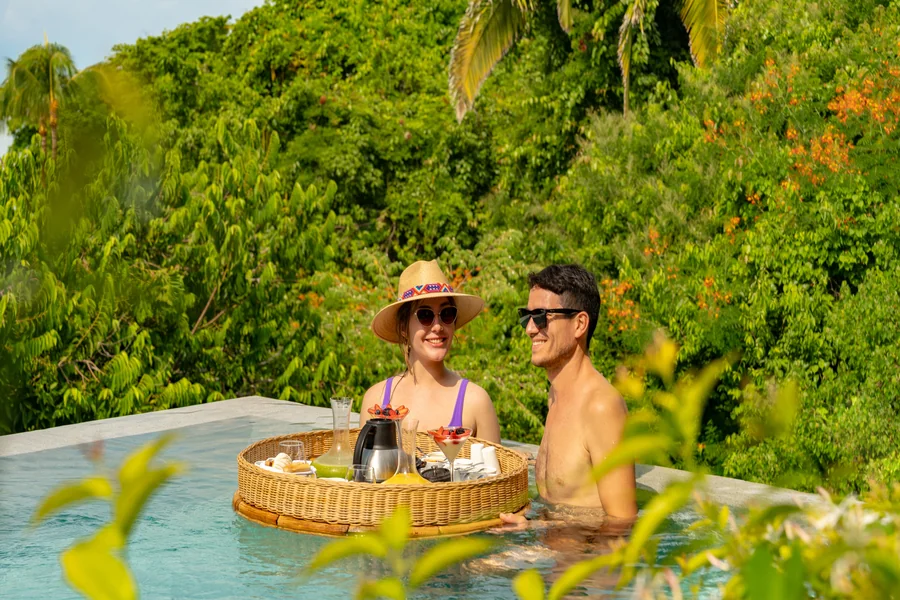
The 2026 global travel landscape is increasingly defined by the slow travel movement. Major operators are reporting a significant increase in bookings for immersive trips lasting more than eight days, reflecting a collective desire for what industry experts call micro-retirements. Whether you are a seasoned wellness traveler or simply someone looking to escape the relentless pace of daily life, taking a step back to evaluate how you travel is just as important as where you travel. Before packing your bags, setting an eco-conscious and relaxed intention is vital. As you explore guides on mindful travel planning, you will find that adopting a slow travel mindset begins long before you reach the airport. For those seeking a destination that seamlessly blends untouched nature with thoughtful hospitality, Vietnam’s island of Phu Quoc offers the perfect restorative escape.
Choosing Mindful Accommodations
Phu Quoc recently earned a spot as the fourth top trending global travel destination for 2026, welcoming nearly six million visitors in the first half of the year alone. With lush national parks and pristine beaches, the island provides a spectacular backdrop for unwinding. However, experiencing the restorative side of the destination requires deliberate choices regarding where you stay. When researching resorts in Phu Quoc, look for boutique properties that emphasize wellness, feature on-site organic gardens, and actively replace petroleum-based plastics with biodegradable alternatives.
The island is an active participant in the World Wide Fund for Nature Plastic Smart Cities program, striving for zero plastic pollution by 2030. Choosing a boutique resort with a smaller footprint minimizes the environmental strain on delicate coastal ecosystems. These specialized properties often employ local community members, source their building materials sustainably, and integrate seamlessly into the surrounding tropical forests. Staying at establishments that favor quiet environments and unhurried stays over high-turnover crowds ensures your visit supports local ecology while protecting your peace of mind.
The Science of Slowing Down
Modern travelers are fundamentally shifting their priorities away from exhausting, jam-packed itineraries. Industry surveys reveal that 68 percent of holidaymakers now place their mental and physical well-being at the forefront of their vacation plans, driving the global wellness tourism market to an estimated 990 billion dollars. This shift toward radical simplicity is not just a passing luxury trend but a physiological necessity for dealing with modern burnout.
According to research highlighted by the School of Social Ecology at UC Irvine, fully disconnecting from daily routines provides essential health benefits. Taking a true break can lead to lower stress hormones and reduced blood pressure, proving that unplugged vacations allow the nervous system to genuinely reset. Cortisol levels drop significantly when individuals spend time in natural, unhurried environments. The psychological weight of constant connectivity begins to lift, replaced by a grounded sense of present-moment awareness. Interestingly, researchers note that simply anticipating a well-planned, unhurried trip can extend these positive psychological effects for weeks before you even depart.
Essential Elements of a Restorative Itinerary
A truly mindful getaway relies on stepping back from packed schedules and embracing the local ecosystem. Consumer research indicates that contemporary travelers find accommodations with authentic environmental stewardship far more appealing than standard commercial hotels. To make the most of your island escape, consider integrating the following restorative practices into your daily routine:
- Embrace Digital Disconnection: Leave your devices in your room while exploring. Spending uninterrupted time near the water offers immediate mental clarity and allows you to fully engage with your natural surroundings without the constant ping of notifications.
- Prioritize Farm-to-Table Dining: Seek out hospitality venues that utilize integrated permaculture and organic gardening. These organic practices not only ensure ingredients retain maximum nutritional value but also reduce food supply chain emissions by nearly 70 percent.
- Support Zero-Waste Initiatives: Choose eco-resorts that have eliminated single-use plastics entirely. Establishments opting for compostable items like rice paper straws, cornstarch razors, and wheat husk toothbrushes showcase a genuine commitment to environmental preservation.
- Engage in Slow Exploration: Instead of rushing to every tourist landmark on the map, spend a full afternoon walking the coastal areas or participating in community-based eco-tourism programs that protect vulnerable marine species.
Returning Home Revitalized
Taking a restorative island escape in Vietnam is about much more than just finding a beautiful beach to lounge on for a few days. It is a unique opportunity to practice authentic environmental stewardship while giving your body the profound rest it requires to function optimally. By making deliberate, sustainable choices during your initial planning phase, you ensure that your vacation leaves a positive impact on both the destination and your own long-term well-being. Ultimately, embracing a slow travel mindset transforms a simple holiday into a deeply nourishing experience, allowing you to return home genuinely revitalized and ready to face the demands of everyday life.