Choosing a Backyard Spa That Truly Fits Your Own Lifestyle
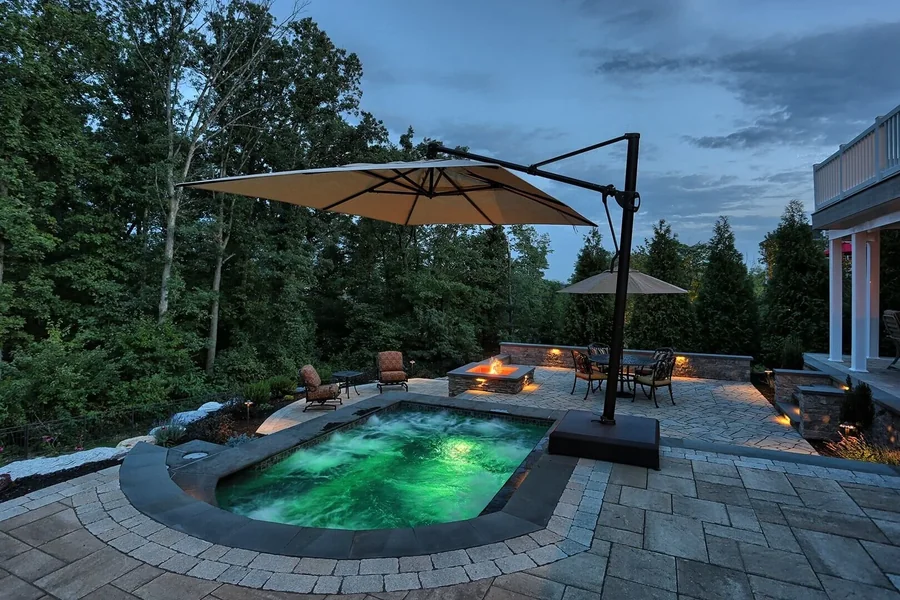
A backyard spa can aid the comfort of joints, muscle rest, sleep preparation, and consistent family bond. To accommodate homeowners in Memphis with its mild winters and humid summers that can be used outdoors all year round, their right model varies, depending on routine, mobility requirements, space available to them, and their ability to maintain the premises. Being aware of what is the most important prior to shopping helps in keeping the whole process grounded and efficient.
Seating depth, jet pattern, water volume, insulation, and access for service all deserve close attention. Visiting a trusted Memphis spa store helps narrow down options based on real needs. A careful choice should make warm-water therapy easy after long shifts, hard workouts, colder evenings, or quiet weekend mornings. The sections below cover each factor worth weighing before a final decision.
Start With Use
Before visiting a Memphis spa store, shoppers should identify how warm-water therapy may serve their household. Some families want calm conversation, while others need lumbar relief, gentle stretching, or recovery after repetitive physical strain. That list keeps attention on seat support, depth, controls, and placement instead of showroom extras with limited daily value.
Match Seating
Seat count should reflect normal use, not occasional gatherings. A compact two-person unit can suit couples with tight patio space. Larger models work better for families, visiting relatives, or shared weekend soaking. Lounge seats support leg elevation, which may ease swelling, yet they reduce upright positions. Wet testing helps reveal buoyancy, hip angle, foot room, and spinal support.
Measure the Yard
A spa requires more room than its shell dimensions suggest. Delivery crews need gate clearance, turning space, stable pathways, and safe lifting access. The base should be level, firm, and able to carry filled weight. Homeowners should also study privacy, drainage, service panels, sight lines, and distance from the door during rain or cold weather.
Think About Therapy
Jets should match common areas of tension. Neck jets may help desk workers with upper trapezius strain. Lower-back placement can support adults with lumbar stiffness. Foot jets may comfort people who stand for long periods. Understanding common joint conditions can also help buyers choose the right jet positions. Jet count matters less than pressure balance, pump capacity, seat contour, and whether water flow reaches sore tissue without irritation.
Compare Water Volume
Water volume affects heat recovery, chemical demand, and refill timing. Smaller spas often warm faster and use fewer treatment products. Larger units provide more stretch room, yet they require closer monitoring. Buyers should ask about gallon capacity, filter area, circulation cycles, and drain schedules. These details shape the real maintenance rhythm after installation.
Check Energy Use
Insulation quality influences operating cost and water temperature stability. A tight cover reduces heat escape overnight. Dense cabinet construction can limit energy loss during colder months. Efficient circulation helps filtration without excessive power draw. Local climate should guide expectations, because showroom estimates may not reflect Memphis humidity, winter snaps, or repeated cover openings during family use.
Plan Maintenance
Spa care should fit weekly habits. Filters need rinsing, water needs testing, and surfaces benefit from gentle cleaning. Service panels should remain easy to reach, especially during repairs. Storage for towels, test strips, and treatment products should sit nearby but stay dry. Simple routines protect water quality and make regular use more likely.
Consider Swim Spas
A swim spa can suit households that want both movement and soaking in a single vessel. Adjustable current supports low-impact exercise, which may reduce joint load. Therapy seats then provide heat and pressure for post-activity recovery. These models need more planning than compact hot tubs, including foundation, electrical capacity, and room for safe entry.
Budget Beyond Price
The purchase price tells only part of the story. Delivery, electrical work, base preparation, steps, cover lifts, water products, and accessories can change total cost. Financing terms also affect monthly comfort. A sound budget includes setup plus first-year care, so ownership feels manageable once the spa is filled, heated, and used regularly.
Read More: Latex Dress Style Guide for Bold Modern Fashion
Visit With Questions
Showroom visits are more useful with direct questions prepared. Shoppers can ask about warranty terms, service response times, replacement parts, insulation types, and water-care guidance. Seeing controls in person helps judge readability and hand comfort. Comparing models side by side also clarifies seat height, cabinet finish, cover weight, and entry safety.
Choose for Real Life
The best spa fits ordinary routines, not imagined perfect weekends. A busy household may need quick heat recovery and simple controls. A wellness-focused buyer may prefer targeted jets, quiet pumps, and supportive seating. Entertainers may value open layouts and secure steps. Practical alignment matters more than features that look impressive yet rarely serve daily health.
Conclusion
Choosing a backyard spa requires attention to comfort, physiology, space, upkeep, and total cost. A thoughtful buyer looks beyond size and studies how each model will serve mornings, evenings, recovery days, and changing seasons. The right choice should invite steady use without adding strain. With clear goals, careful measurements, and focused questions, homeowners can select a spa that supports everyday well-being.