Why Varicose Veins Occur and How to Recognize and Treat Them
What Are Varicose Veins?
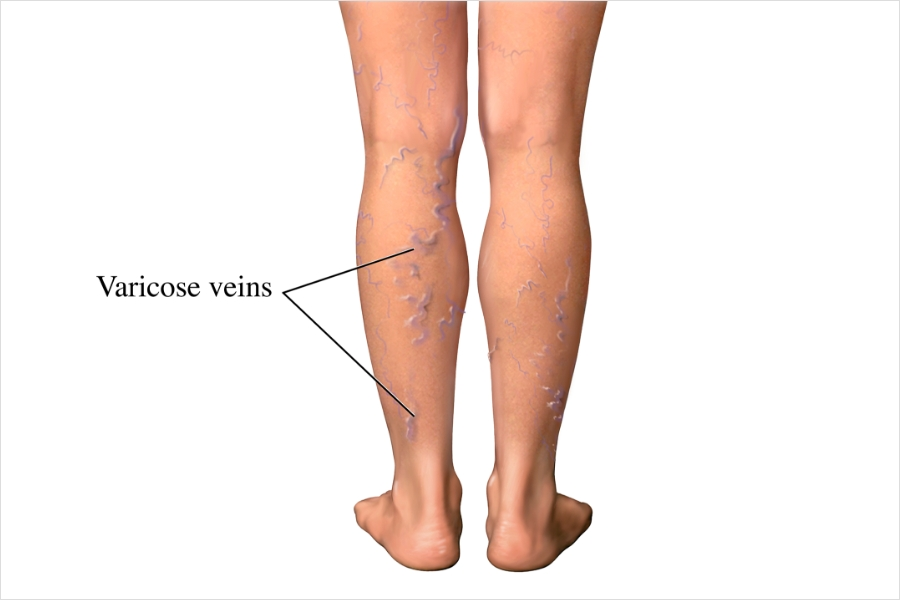
Varicose veins are twisted or swollen, enlarged veins that are present near the surface of the skin under the legs, ankles, or feet. This causes blue or purple bulges that appear under the legs or arms, and this may be painful or irritating. This occurs when our vein walls are weak and not working properly.
Mostly, varicose veins do not cause any serious problems or diseases. But in some rare cases, they can cause a sign of some serious problems, such as deep vein thrombosis, blood clots, which need proper treatment. You can treat most of the varicose veins at home. But if you have some serious problem, then you may need treatment with injections, lasers, and surgery from your health professional.
What Are Spider Veins?
How Are Varicose Veins Diagnosed?
Spider veins are the light type of varicose veins or smaller veins that may surround varicose veins. Tiny blue or red lines that appear around the area of the skin. Your health provider or doctor examines you to diagnose and treat varicose veins under the legs while you’re standing to check if your legs are swollen or have visible veins. They often asked about the pain ot itchiness, tiredness, heaviness, and many other symptoms.
How Are Varicose Veins Treated?
The treatment for Varicose veins includes many methods, which are self-care, compression stockings, and surgeries. Usually, the specific treatment is determined by your health provider.
Self-Care:
Self-care means you can do for yourself to get relief from pain. For example: you can do regular exercise to make your muscles strong, putting your feet up, avoiding prolonged standing or sitting, avoiding tobacco products, and maintaining your body weight, because usually obesity causes varicose veins.
Compression Stockings
Compression stockings are specially made, stretching sock that helps to gently squeeze our legs to circulate our blood properly up our legs, which can reduce the risk of making clusters and blood clots. This helps to prevent swelling or heaviness in our legs.
Surgeries
If the varicose veins are severe and not treated after doing self-care or wearing compression stockings, the process. Then, your health provider recommends surgery to relieve you from this, such as:
- Scelrotherapy
- Laser treatment
- Using radiofrequency or laser energy
- High ligation and vein stripping
- Open phlebectomy
- Powered Trivex phlebectomy
- Prefortor treatment
Treating varicose veins in pregnancy
During pregnancy, the main thing to remember is to avoid long-term of standing or sitting
If you are pregnant and get varicose veins, then you should wear compression stockings or undergo self-care.In pregnancy, laser or surgical treatment is usually not recommended and not used. They will get better as time passes, usually after your delivery.
Symptoms And Causes Of Varicose Vein
Here are the common symptoms that are faced during varicose veins. However, every individual faced different symptoms. The symptoms include:
- Bulging vein; they are warped, swollen, or rope-like veins, often blue or purple bulges that appear under the legs or ankles. They can grow in many clusters.
- Pain: You can feel pain or itchiness around the area of varicose veins
- Heavy legs; After doing any physical activity, you can feel tiredness, heaviness, or pain in the muscles of your legs.
- Ulcer and skin discoloration: The varicose veins cause tissue damage, ulcers, and skin disorder.
- Color changes in skin: This causes color changes in skin, like many tiny red or blue lines that appear around the area of varicose veins.
These symptoms are always resembles to many other medical diseases. So, always consult with your health provider.
Causes Of Varicose Veins
Varicose veins commonly occur when the valves in veins and walls of veins are weak or damaged and do not function properly. As the blood pressure increases in our veins, they allow our veins to get larger and leading to blood pooling. As our valves stretch, the blood does not flow properly and move in only one direction.
This is mainly due to factors like our age, during pregnancy, or our lifestyle choices such long-term of standing or sitting. Our valves in vein become weaker due to some reason, such as aging, obesity, prolonged standing, and many others.
What Are The Risk Factors For Varicose Veins?
There are many risk factors for varicose veins, which are given below:
- Hormone Imbalance: In women, female hormones allow the vein walls to stretch. This usually occurs during pregnancy, because a menopausal cycle is stopped and women are using birth control pills, which can cause varicose veins. The main reason is hormonal change.
- Family history: This is inherited from one generation to another generation. You can inherit this condition if iots run in your family.
- Lifestyle: Caused due to the long-term effects of standing or sitting.
- Age: Because of the aging process, most of our organs donot work properly. Our valves and walls of veins doesnot work properly and cause streching of veins.
- Obesity: Sometimes overweight causes this condition.
- Tobacco products: Sometimes use of unhealthy products causes varicose veins.
Final Thoughts
Varicose veins are a common condition, but they don’t have to rule your life. Whether you’re looking to treat varicose veins with home remedies, lifestyle changes, or medical treatments, there are plenty of options available to help alleviate your symptoms and improve circulation.
If you’re unsure about the best treatment for your condition, don’t hesitate to consult with a healthcare provider who specializes in vein health. They can guide you toward the most effective treatment options tailored to your needs. While you’re working on your health, why not declutter your closet by donating unwanted clothes to Goodwill bins? It’s a great way to make space in your life while supporting those in need!