When Laser Hair Removal Is Better Than Electrolysis
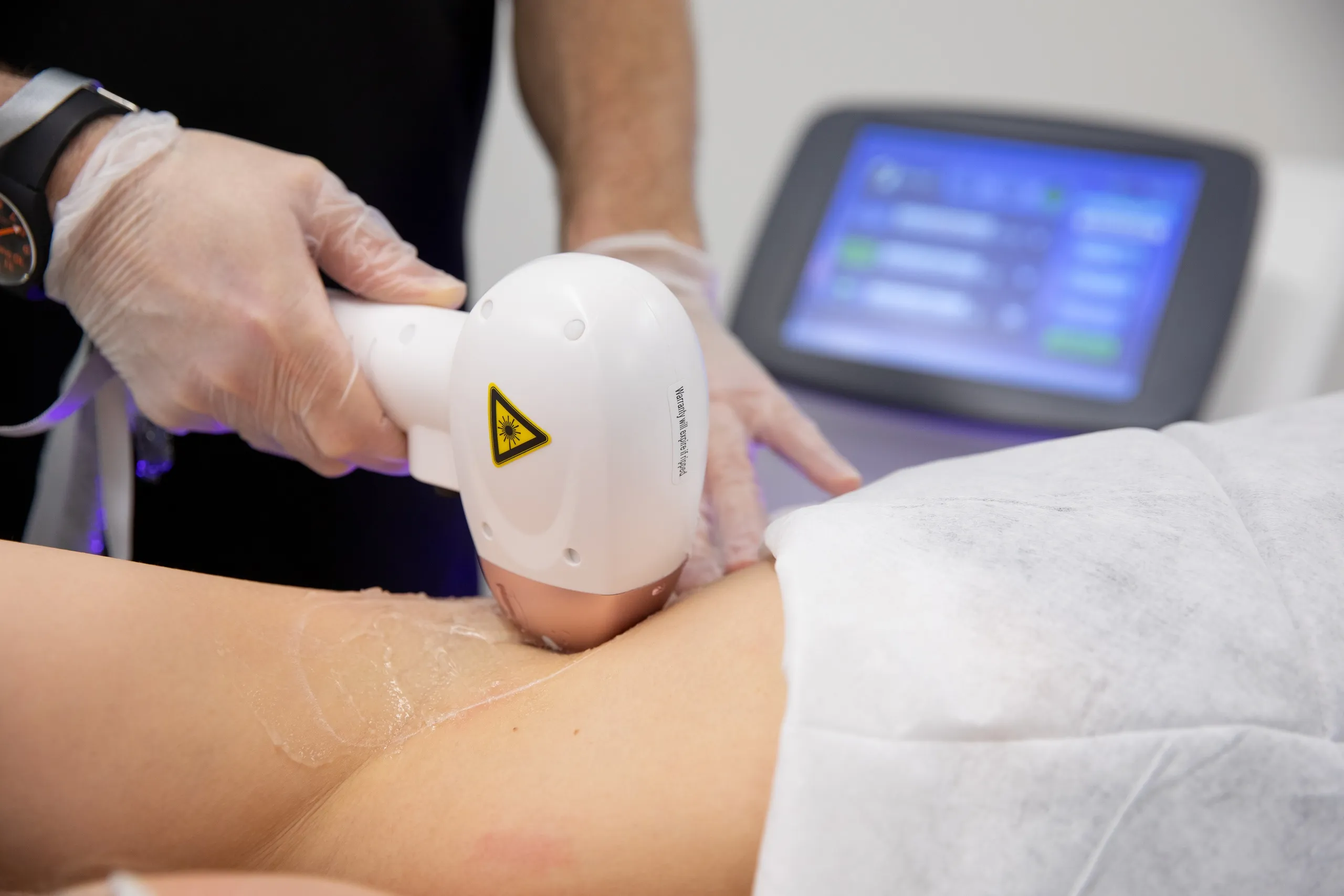
Everyone in this world is different and everyone sees the world with different eyes. The same this is with hair removal. It’s a personal journey, or you also call it a treatment. Every patient requires a unique treatment, that’s why in some cases getting laser hair removal makes more sense than electrolysis. These are the most effective and long-lasting solutions available on the market today. So, let’s explore today the situations where getting hair removal with laser is a better choice.
1. Treating Larger Areas of the Body
Removal of undesirable hair on legs, back, chest, or arms is far easier with laser. Unlike electrolysis, which is restricted to one hair follicle at a time, laser technology can treat many hair follicles simultaneously with a single pulse. Consequently, a patient requires fewer sessions, which translates to a considerable saving of time spent on treatment.
2. Seeking Faster Results
The effectiveness of hair removal with laser lies in its efficiency as it treats multiple hairs simultaneously. For instance, a laser session for the underarms takes only 15 to 20 minutes. In comparison, achieving similar results with electrolysis in that region would likely require multiple sessions.
3. When You Want a Less Painful Option
With electrolysis, the discomfort experienced is comparable to the stinging or pricking sensation which occurs with the treatment of every single follicle. This discomfort, however, is quite manageable compared to some other forms of treatment. Many patients said that the feeling of laser is like a quick snap of a rubber band, and is much more bearable on larger areas of the body.
4. Best for Dark Hair and Light Skin
As dark colored hair and light toned skin are more common, laser tends to be most appropriate and successful for them. For these individuals electrolysis remains a good option, laser treatment more often than not proves more useful and effective for others with the aforementioned characteristics.
5. Wanting Long-Term Reduction Without Absolute Permanence
The sole method of permanent hair removal endorsed by the FDA is electrolysis. In contrast, laser offers permanent hair reduction. This is the case for many people, as most significantly reduce hair growth, and the hair that is eventually shed is usually finer and lighter. For individuals who do not necessarily want to get rid of every single hair follicle, but prefer the ease of having smooth skin, laser hair removal is an ideal option.
6. Budget Considerations
Although the initial price of each laser treatment can be expensive, the treatment of larger regions makes it more cost-effective in the long run as opposed to electrolysis. For clients requiring extensive areas to be treated, laser treatment emerges as the more economical treatment.
What is laser hair removal?
Laser hair removal is a clinical intervention in which a focused beam of coherent light is employed to reduce the density of undesired terminal hair.
During each session, the device delivers a pulse of light that is preferentially absorbed by the melanin chromophore within the hair shaft. The absorbed energy is transformed into thermal energy, subsequently damaging the follicular dermal papilla and surrounding follicular architecture. The resultant thermal insult alters the progenitor cell population and disrupts the regenerative cycle of the hair, prolonging the telogen stage and, in many follicles, inducing fragmentary or complete cessation of regrowth.
It’s a treatment that involves more than just light, that’s why you should consult a professional laser hair removal clinic with licensed technicians if you are planning on starting a session. This treatment is most effective on coarse, dark hair against lighter skin tones (like underarms, which are usually shielded from the sun). The stronger the contrast between dark hair and light skin, the better results you will get.
That’s because, “lasers operate at various wavelengths that specifically target chromophores — the components of a molecule responsible for color — beneath the skin’s surface,” says Valeria Tartacovschi, a licensed laser technician. Fine or light-colored hair simply doesn’t absorb the laser energy as well, making it harder to treat.
Still, some modern devices and certain wavelengths can safely be used on darker skin “if the correct settings are applied,” Valeria notes. Incorrect settings, however, could cause discoloration or even burns, so patients with deeper skin tones should always see a board-certified dermatologist rather than a medi-spa provider. “Different wavelengths can also be used on lighter hair, though the effectiveness is often reduced.”
Cost of Laser
The cost for laser is pretty straight forward. For full body treatments you should expect to pay somewhere around $2,000/session. Upper Body is $1000/session and Full Back – $375/session.
What Is Electrolysis?
“Electrolysis works by using a fine metal probe — similar to a tiny wire or needle — to send low-level electrical pulses into each unwanted hair follicle,” explains Valeria, a licensed electrologist at Electrolysis 100% Permanent Hair Removal & Skin Care in Chicago. These pulses heat and destroy the follicles one at a time. The probe doesn’t actually puncture the skin; instead, it slides into the follicle through its natural opening at the surface.
“It’s a very hands-on technique,” says Valeria. It takes a trained electrologist to carefully locate each follicle and deliver just the right amount of current to eliminate it without harming the surrounding skin. “I see electrolysis as an excellent option for targeting a few stubborn gray hairs on the chin,” she adds, “rather than for treating an entire leg.”
Unlike laser, electrolysis is effective on all hair colors and skin tones. However, because every follicle must be treated individually, it isn’t always practical for larger areas. Still, it can safely be performed almost anywhere on the body — including delicate areas like the face — with little downtime. “Most clients notice some sensitivity for a few days after treatment,” says Tartacovschi. “Full healing usually takes about one to two weeks. During that time, mild redness, swelling, or tenderness is completely normal.”
Cost of Electrolysis
Electrolysis hair removal can be very uncomfortable! If you haven’t tried it before, just know that it is painful. That’s why many clinics started to offer pain management options like topical numbing creams, lidocaine injections, ProNox gas, oral sedation, and more. This makes the treatment more comfortable.
The traditional electrolysis sessions were really hard to handle. People would usually book a one-hour session per week because that’s how painful it was. With these pain management options, people have the opportunity to get electrolysis for 5-8 hours straight, and on top of that, they can even have two electrologists working on two different areas of the body simultaneously.
These pain management options are more expensive than traditional electrolysis, of course, but they are really worth it.
Most electrolysis clinics in Chicago have the following rough pricing:
- Traditional Electrolysis – $180/hour
- Electrolysis with pain management options mentioned above can cost around $340/hour for the face and $360/hour on genital parts for one electrologist.
What Are the Main Differences Between the Two?
If you’re still debating which option is best for you, here’s how they compare:
- Skin and hair types: Laser works better for people with light skin and dark hair. This makes it easier for the laser to target the hair follicle. This is why laser isn’t recommended on tattoos. Electrolysis on the other hand works on any skin or hair type, but it takes longer.
- Timeline and results: People like fast results. They want it now, and laser makes it happened. It also offers great results. Electrolysis takes longer, it can take up to 18 months, but it’s a permanent treatment. You get rid of your unwanted hair forever!
- Comfort level: Laser sessions are more comfortable, less painful, people describe it as a light snap of a rubber band. Electrolysis feels more like a bee sting. According to Valeria, newer laser technologies are designed to make the process even gentler.
- Treatment areas: Laser can cover large zones quickly, such as the legs, back, or chest. Electrolysis is slower and more detailed, making it better for targeting smaller spots like the chin, upper lip, or stray eyebrow hairs.
Conclusion
The goal of this post wasn’t to show people how useless electrolysis is, no. We were just trying to compare them and to discuss the cases when laser is better to get than electrolysis. It’s like going to a doctor with a headache, if an aspirin works for 90% of the population, for some people it doesn’t due to allergies, other medication taken by the patient, etc.
Laser is for people who want to get quicker results over larger areas of the body like full back, chest or even full body. Just keep in mind that laser isn’t offering permanent results, it’s a temporary solution, electrolysis is the way to go for permanent hair removal.
Laser is a great treatment, but even laser isn’t recommended for some people.
Here are the cases in which this method is not allowed:
- Pregnancy
- Hormonal Imbalance
- Dark Skin
- Sunburn
- Polycystic Ovary Syndrome
- Keloid Scarring
- Tattoo
- Vitiligo
That’s about it we had for this topic and remember to check important facts. The best advice on laser or electrolysis can be given by a licensed specialist in this industry.