How a Beachside Home Sets the Tone for a Mindful Lifestyle
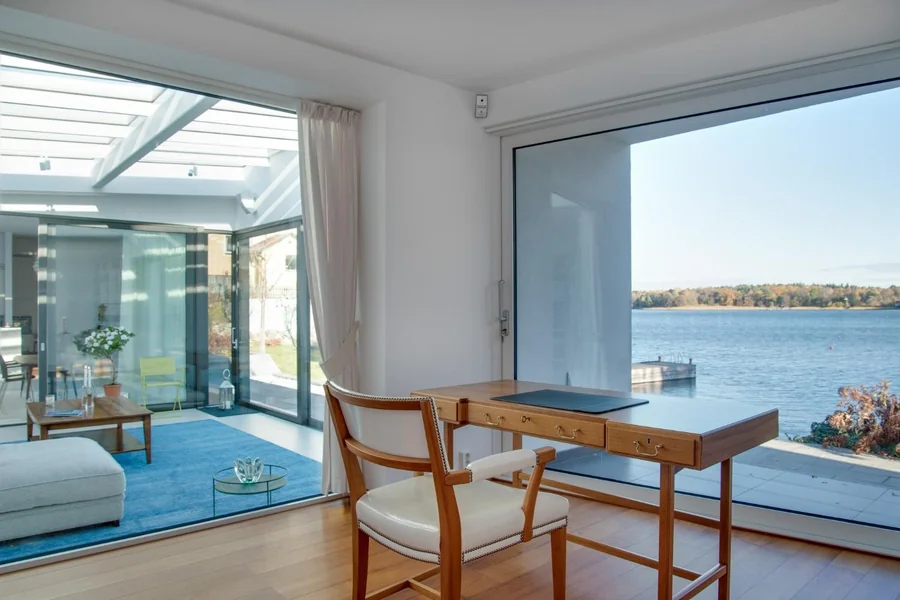
Few environments invite reflection quite like the coast. The sound of the tide, the open sky, the quiet pulse of salt air, they have a way of slowing us down and reminding us what truly matters. Whether you’re browsing Mission Beach homes for sale or simply dreaming about a seaside retreat, the allure of coastal living runs deeper than scenery. It’s about rhythm, intention, and the daily practice of choosing a life that aligns with your values.
For those who believe that fashion, travel, and home design are all expressions of how we live, the coast offers a template for mindful simplicity, a slower way to move through the world.
Living With the Rhythm of the Sea
Beachside life has its own cadence. Mornings often begin with light filtering through sheer curtains and waves crashing softly in the distance. This pace encourages something modern life tends to push aside: stillness. Coastal living isn’t only about proximity to the ocean, it’s about syncing with its flow.
Residents in coastal communities often speak about time differently. There’s less rush, more space between commitments, and an awareness of the small, sensory pleasures that fill the day, the texture of linen against skin, the smell of driftwood, the sound of gulls circling above. These moments form the foundation of a slower lifestyle, one that mirrors the slow-fashion values that Amour Vert readers already know well: intentional choices, quality over quantity, and a deep respect for the environment that sustains us.
Sustainability at the Shoreline
Sustainable living by the coast begins with mindfulness, not just in what we wear, but in how we design and inhabit our spaces. Beach homes that blend naturally with their surroundings tend to rely on materials like reclaimed wood, recycled glass, and organic fabrics.
These choices aren’t only aesthetic; they’re ecological. Coastal regions are among the most vulnerable to climate change and erosion. Building or renovating with care becomes an act of preservation as much as personal expression. According to National Geographic, ocean-adjacent ecosystems such as dunes and mangroves act as natural barriers against rising tides, yet they’re disappearing faster than we can restore them. Choosing sustainable materials and reducing environmental impact helps ensure these delicate systems endure.
A home built or decorated with sustainability in mind, energy-efficient windows, solar panels, water-saving fixtures, complements the ethical wardrobe hanging inside. Both tell a story of respect for place.
Designing Spaces That Breathe
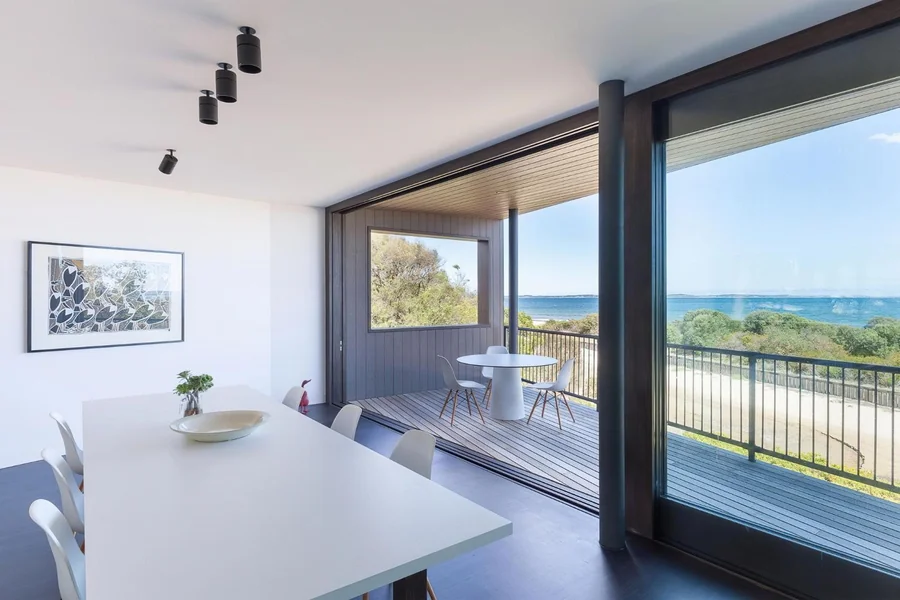
In coastal interiors, less truly becomes more. The most inviting seaside homes often use neutral tones, natural fibers, and open layouts that let air and light move freely. The goal isn’t to fill space, but to create it, to make room for thought, rest, and creativity.
A mindful home design borrows from the same principles as a mindful wardrobe. Just as we invest in timeless clothing rather than fast fashion, we can fill our homes with pieces that endure: hand-woven rugs, artisanal ceramics, upcycled furniture. Each object carries a narrative, a sense of craftsmanship that resists the disposable culture so common elsewhere.
There’s also the emotional architecture to consider. Studies from Environmental Health Perspectives suggest that natural light, cross-ventilation, and the presence of organic materials can reduce stress and improve wellbeing. A beach home that breathes isn’t just beautiful, it’s restorative.
Wardrobe Meets Lifestyle: Dressing for the Coast
Coastal style is less about trend and more about texture. Breathable fabrics, sun-washed tones, and pieces that move effortlessly from morning walks to sunset dinners reflect a lifestyle rooted in comfort and ease.
For the conscious traveler or homeowner, curating a sustainable coastal wardrobe means selecting versatile garments, lightweight linens, organic cotton, responsibly made sandals, that mirror the same eco-conscious philosophy applied to the home.
Much like slow travel, where the journey matters as much as the destination, slow fashion is about savoring each step of the process: the design, the material, the wear. It’s about forming relationships with the things we own rather than consuming them out of habit.
Mindful Movement: From City to Sea
There’s a growing trend of individuals relocating from dense urban environments to calmer, coastal towns, not to escape, but to recalibrate. Working remotely or seasonally, people are learning to blend productivity with presence. For many, this move represents a conscious step toward balance.
A house by the sea naturally reshapes daily rituals: you walk more, scroll less, spend mornings outside instead of under fluorescent lights. Even small moments, hanging laundry in the salt air, collecting seashells, cooking with local produce, start to feel like meditation.
Sociologists studying “blue spaces” (areas near water) have noted measurable benefits to mental health and cognitive restoration. The sea’s repetition, waves in, waves out, mirrors the steady rhythm of mindful breathing. In this way, living by the coast becomes an ongoing practice in mindfulness itself.
The Coast as a Teacher
Ultimately, the beach teaches us how to live lightly. It invites us to pare down what we own, protect what we love, and participate in a cycle of renewal. From choosing ethical fashion to designing sustainable homes, the principles remain the same: simplicity, durability, responsibility.
Whether you’re investing in a new property, exploring Mission Beach homes for sale, or simply imagining a quieter chapter by the sea, the mindset of conscious living begins long before the move. It starts with intention, with the awareness that every purchase, every design choice, every footprint in the sand leaves a mark.
The beauty of coastal life lies not only in its views, but in its invitation to live with purpose: to let the ocean’s rhythm remind us of our own.