A Modern Woman’s Guide to Feeling Great in Her Skin at Every Life Stage

As life’s seasons come and go, you experience a different mix of clarity and tension each time. And at every point, you gain a new perspective on how you relate to your body. A woman’s sense of comfort changes throughout her life in many ways. That process of never-ending change becomes a thread that ties together health, style, and identity. Once you settle into your steadier years, you start recognizing what your skin actually needs — as opposed to what the latest trends dictate. With that recognition, a woman starts feeling great in her skin regardless of age or life stage.
When Skincare Meets Science
Skincare technology now sits at the intersection of dermatology, biology, and design. Women explore tools that target hydration, texture, and environmental stress. LED therapy encourages cellular activity with minimal strain. Peptide serums support firmness. Moisture barriers help protect skin from dryness that arrives with age or climate.

With proper treatments and nutrition, aging gracefully is easier than ever.
These choices help women understand skin as a living surface that needs consistent care rather than aggressive correction. That understanding aligns with long-term well-being because gentle support usually outperforms abrupt intervention.
Surgical Options for Facial Harmony
Some women explore surgical techniques when they want structural balance rather than surface-level change. These decisions emerge slowly because they require trust, research, and clarity. Procedures that focus on proportion and alignment often fall under what many experts describe as facial symmetry surgical procedures, and they aim to maintain natural contours rather than create dramatic shifts.
Surgeons emphasize safety, recovery clarity, and realistic expectations. Women who consider these choices usually look for harmony, not reinvention, which keeps the approach grounded in longevity and personal agency.
The Early Years: First Signs of Self-Awareness
The early years often shape long rhythms of perception because this is when girls watch how adults speak about bodies, strength, and appearance. Their attention drifts to peer influence, to small rituals in front of mirrors, and to the first moments when they feel observed.
Clothing experiments begin early because the closet becomes a space for personal trial, not performance. That space creates simple paths for understanding comfort, and comfort builds internal patterns that last.
The Twenties: Listening to What the Body Tells You
The twenties bring fresh energy, rapid shifts, and a steady stream of new responsibilities. Women learn how long hours affect sleep quality, how deadlines shape their eating patterns, and how stress moves through their muscles. Clothes often track these changes because the body signals what feels right before the mind articulates it.
This decade gives women a chance to form routines that support clear skin, consistent movement, and calm daily structure. Those routines help create small anchors during chaotic seasons.
The Thirties: Strength That Comes From Choice
The thirties bring clearer boundaries as careers settle and personal commitments grow. Women start to notice how metabolism shifts and how stress lingers longer. Schedules tighten, and priorities often rise to the surface because time begins to feel more defined.
Many choose long-term health over short-term fixes because the body tells the truth more loudly in this decade. Clothing choices often follow the same logic, leaning toward quality pieces that offer stability rather than novelty. These choices help create a calmer sense of presence that holds up across long days.
The Forties: Clarifying What Feels True
The forties mark the rise of deeper self-understanding because women now carry long experience and sharper intuition. Perimenopause begins for many, and the body signals new needs around sleep, hydration, and stress. Skin texture shifts. Energy patterns reorganize.

Positive sleep and hydration habits go a long way.
Women often refine their style because they now recognize what clothes feel truthful and what clothes feel forced. Confidence grows when habits line up with personal values instead of external approval. The decade also brings strong motivation to protect emotional space because the mind and the body now ask for steadier rhythms.
The Fifties and Beyond: A Connected Sense of Ease
The fifties bring a clearer sense of the self because the body stops negotiating for acceptance and starts asking for respect. Post-menopausal changes shape routines around bone health, nutrition, and exercise.
Women begin leaning toward simplicity because busy wardrobes and complicated routines lose their appeal. Comfort turns purposeful. Movement turns gentle but consistent. Many women notice that calm energy feels more valuable than aesthetic perfection, and that shift influences how they express identity, choose clothing, and structure their days.
Style as Daily Expression
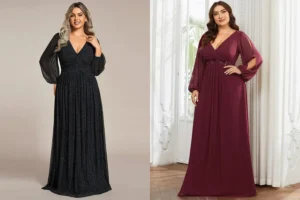
Clothing carries influence because fabric and fit shape how the body feels long before anyone else forms an impression. Women learn to choose pieces that support movement, temperature, and mood.
They often favor natural fibers because the skin responds well to breathable textures. Color palettes shift across decades as women connect style with energy rather than trend cycles. That connection strengthens emotional comfort because clothing becomes a tool for inner steadiness instead of outer performance.
Emotional Wellness Across the Decades
Emotional wellness influences physical ease because stress, sleep, and social bonds shape how a woman experiences her body. Many women learn to regulate stress through movement, conversation, and quiet practice.
Support networks become essential because they provide grounding during times of change. Mindfulness helps women identify tension early so they can adjust habits before discomfort settles. These practices build the foundation that supports feeling great in her skin during transitional moments that might otherwise feel overwhelming.
Middle-Life Confidence That Expands
Women who move through midlife with attentive routines often find that confidence grows as their relationship with their body deepens. This growth comes from recognizing limits, strengthening agency, and valuing comfort. Clothing choices begin to reflect emotional clarity. Skincare routines become examples of daily respect. Health practices take on long-term meaning. These patterns encourage women to keep feeling great in their skin without relying on comparison or approval.
A Later-Life Approach That Values Presence
Later decades bring a desire for peace, presence, and honest self-expression. Women who connect deeply with their routines find stability. They choose consistent sleep. They favor nourishing foods. They invest time in relationships that sustain them. These actions create a grounded sense of identity that supports feeling great in her skin during every season. The years ahead open new ways for women to stay centered while their bodies continue to evolve.