Why Crafted Timepieces Are Making a Comeback
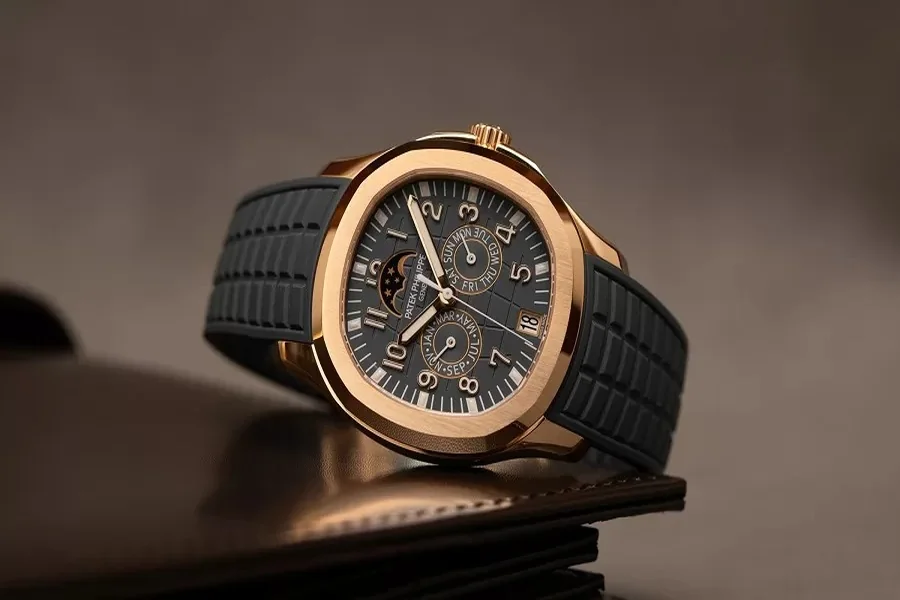
Hand-finished watches are officially winning hearts again. After a few frothy years of hype-led buying, collectors and first-time buyers alike are rediscovering what drew people to mechanical watches in the first place: character, provenance and the human touch.
Here we’ll take you through what’s driving the shift and exploring how to navigate it.
1) The resurgence of British & independent watchmaking
Across the UK, smaller brands and independent makers are enjoying fresh momentum. There’s been a major upswing in Britain’s watch sector since 2021, with new names pairing traditional skills to contemporary design and finding a ready audience at home and abroad. The story isn’t about scale though, it’s about distinctiveness, limited runs, transparent production and makers who feel like real people. Behind the headlines sits an ecosystem steadily being rebuilt by organisations championing home-grown craft and the companies that practise it.
2) Craft, heritage and the search for authenticity
Why the pivot to craft? Many buyers are tiring of mass-produced sameness and want the stories you can only get from hand-finishing, small-batch production and heritage techniques. This makes the craft revival culturally significant, because watchmaking sits within a broader craft landscape that has been under pressure as skills pipelines, allied trades and training routes have all thinned. Supporting independent watchmaking helps keep endangered know-how alive, and buyers increasingly recognise the value embedded in those skills.
What the luxury market is saying and the role of big names
There’s been a definite market focus recently on individuality (from stone dials to bolder bracelets) and a growing spotlight on independents. Retail data in the UK also suggests stabilisation after the post-pandemic comedown, with major groups describing a steadier market and strong demand lists. Crucially, however, this isn’t a zero-sum game. While independent makers are rising, alongside the established appeal of Rolex watches, there’s a clear shift in what collectors value, with a greater emphasis on authentic craft, technical finishing and provenance, regardless of the size of the logo. At the same time, the wider industry’s tilt to certified pre-owned and physical retail shows consumers want trust and touchpoints, not just novelty.
How to spot and enjoy a truly crafted timepiece
If you’re considering a high-craft watch, look past the name on the dial and evaluate the work:
- Finishing:Inspect bevels, brushing, black polishing and dial work (enamelling, guilloché, hand-applied indices). Consistency and clarity are your tells.
- Movement:Seek transparent specifications and, ideally, movement architecture you can understand.
- Provenance & production:Fewer pieces and clear maker involvement usually mean stronger long-term interest. Ask who made what, and where.
- Serviceability:Craft doesn’t mean fragile. Check parts availability and who services the watch; good makers plan longevity.
- Fit & styling:A crafted watch should slot into real life. Case dimensions that suit your wrist and a bracelet/strap you’ll wear daily really matter.
- Value beyond hype:Use recent market context as a sense-check, but buy for enduring enjoyment first; well-made, characterful pieces tend to hold attention (and therefore demand) longer than trend-led drops.
Final thoughts
The comeback of crafted timepieces is a vote for meaning over momentum. Buyers want pieces that feel considered: small-run, human-made and designed to last. In a market that’s steadier and more selective, those qualities are exactly what stand out.