Sustainable Hair Wellness: How PRP Therapy Supports Natural Regrowth Without Chemicals
In today’s era of holistic wellness, more individuals are seeking hair restoration solutions that are not only effective but also safe, natural, and sustainable. PRP therapy for hair has emerged as a leading option, offering a scientifically advanced method that harnesses the body’s own regenerative powers. Unlike chemical treatments or invasive procedures, PRP provides a clean, targeted, and biologically compatible approach to restoring hair density and promoting scalp health. But what sets this therapy apart, and why is it becoming a preferred choice for those committed to sustainable beauty?
Understanding PRP Therapy: Harnessing the Body’s Regenerative Power
PRP, or Platelet-Rich Plasma, is derived from a patient’s own blood. Through a controlled process, blood is drawn and centrifuged to concentrate platelets—key components responsible for tissue repair and regeneration. When injected into the scalp, these platelets release growth factors that stimulate dormant hair follicles, increase circulation, and strengthen hair shafts.
This approach is fundamentally different from traditional hair treatments because it leverages the body’s innate healing mechanisms. There are no artificial chemicals or synthetic hormones involved, making PRP a naturally compatible therapy. Advanced protocols are used to maximize follicle stimulation while ensuring patient comfort and safety.
Why a Chemical-Free Approach Matters
Sustainability in beauty extends beyond eco-friendly packaging—it involves treatments that support the body naturally. Many conventional hair solutions rely on topical chemicals or oral medications that may have unwanted side effects. PRP therapy eliminates these concerns.
By using a patient’s own platelets, the treatment minimizes the risk of allergic reactions or irritation. It enhances scalp health rather than stressing follicles, making it an ideal solution for individuals who value long-term wellness alongside effective results.
Who Benefits Most from PRP Therapy?
PRP therapy is particularly beneficial for individuals with early-stage hair thinning or hair loss, where active follicles remain viable. Common candidates include men and women experiencing androgenic alopecia, postpartum hair shedding, or stress-related thinning.
It is important to maintain realistic expectations. PRP stimulates existing follicles but cannot regenerate areas where follicles are completely dormant. A thorough assessment by a qualified professional can help determine suitability, outlining the ideal patient profile and the outcomes that can realistically be achieved.
The PRP Procedure: Minimally Invasive, Highly Effective
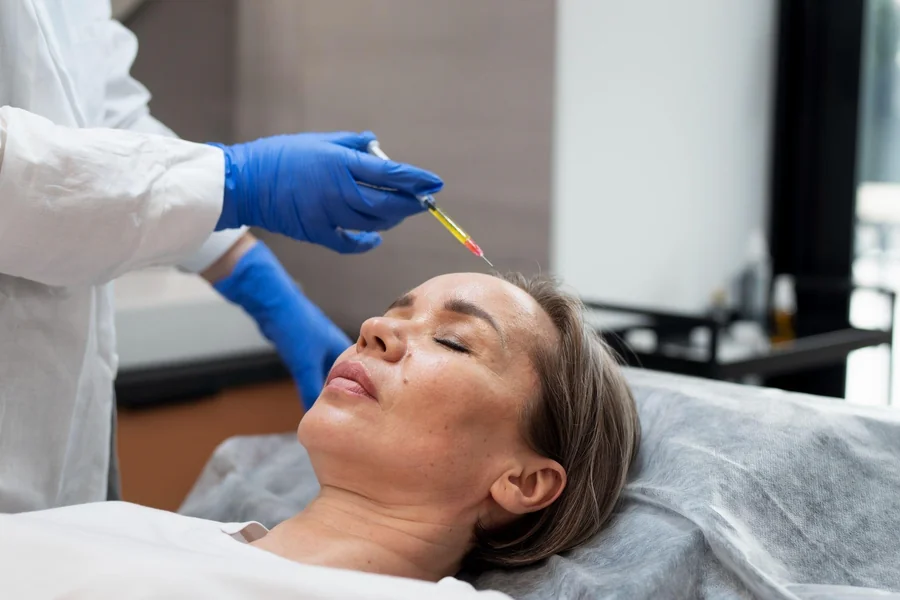
The PRP process is straightforward yet precise. After blood is collected, platelets are concentrated and strategically injected into thinning areas of the scalp. Some clinics enhance results with microneedling, which improves absorption and further stimulates follicle activity.
Treatment sessions typically last between 30 and 60 minutes, with minimal downtime. Mild redness or sensitivity may occur, but most patients resume daily activities immediately. The minimally invasive nature of PRP, combined with its regenerative efficacy, distinguishes it from other hair restoration methods that require longer recovery or carry higher risks.
Sustainable Hair Wellness: Long-Term Benefits
Sustainability in hair care means promoting treatments that support the body’s natural function over time. PRP therapy aligns perfectly with this principle. By encouraging natural follicle regeneration, improving scalp circulation, and strengthening existing hair, PRP promotes lasting hair wellness.
Maintenance sessions, often scheduled several months apart, help sustain results and preserve follicle vitality. Unlike chemical treatments that require continuous application, PRP empowers the scalp to maintain its own health, reinforcing the concept of sustainable beauty from the inside out.
Advanced Techniques Enhancing PRP Outcomes
Modern hair restoration clinics combine science and innovation to optimize PRP therapy results. Advanced protocols often include higher platelet concentrations, precision mapping, and adjunctive techniques such as microneedling to enhance effectiveness.
These enhancements ensure that PRP not only stimulates growth but also strengthens hair integrity, offering results that are both visible and sustainable. The combination of biological regeneration and technological precision highlights why PRP is widely regarded as a leading, evidence-based solution for natural hair restoration.
Comparing PRP to Conventional Treatments
Traditional hair loss solutions, such as topical chemicals, hormone therapies, or surgical interventions, can be effective but often carry risks, side effects, and long-term maintenance requirements. PRP therapy stands out as a regenerative alternative, utilizing your body’s own healing power to restore hair naturally. For those who prefer clinically proven topical options as a first step or complementary approach, getting an online minoxidil prescription through a telehealth platform is now more accessible than ever — making it straightforward to explore evidence-based treatment before committing to in-clinic procedures.
Think of PRP as a nutrient-rich boost delivered directly to your follicles—promoting growth without relying on external chemicals. For individuals seeking holistic, minimally invasive options, PRP aligns perfectly with sustainable hair wellness principles.
The Future of Regenerative Hair Restoration
Advances in regenerative medicine continue to expand the potential of PRP therapy. Ongoing research explores combining PRP with stem cell treatments, targeted growth factor therapies, and novel delivery systems to maximize hair restoration outcomes.
This evolving landscape underscores a clear trend: the future of hair restoration is regenerative, personalized, and safe. For those seeking chemical-free solutions today, PRP represents a bridge between modern scientific innovation and sustainable wellness practices, offering effective and long-lasting hair rejuvenation.
Conclusion: Embracing Natural, Sustainable Hair Health
Hair restoration no longer requires harsh chemicals or invasive surgery. PRP therapy for hair provides a safe, natural, and sustainable alternative that harnesses the body’s own regenerative power. By stimulating follicles, improving hair density, and supporting long-term scalp health, PRP offers a holistic approach aligned with modern wellness values.
For those pursuing effective, chemical-free hair regrowth, leading PRP clinics in Texas and beyond provide both expertise and advanced techniques, ensuring results that are natural, lasting, and sustainable. Ultimately, PRP therapy exemplifies how modern medicine and regenerative science can restore hair while respecting both the body and the environment.