10 Easy Steps to Move to Zero-Waste Living
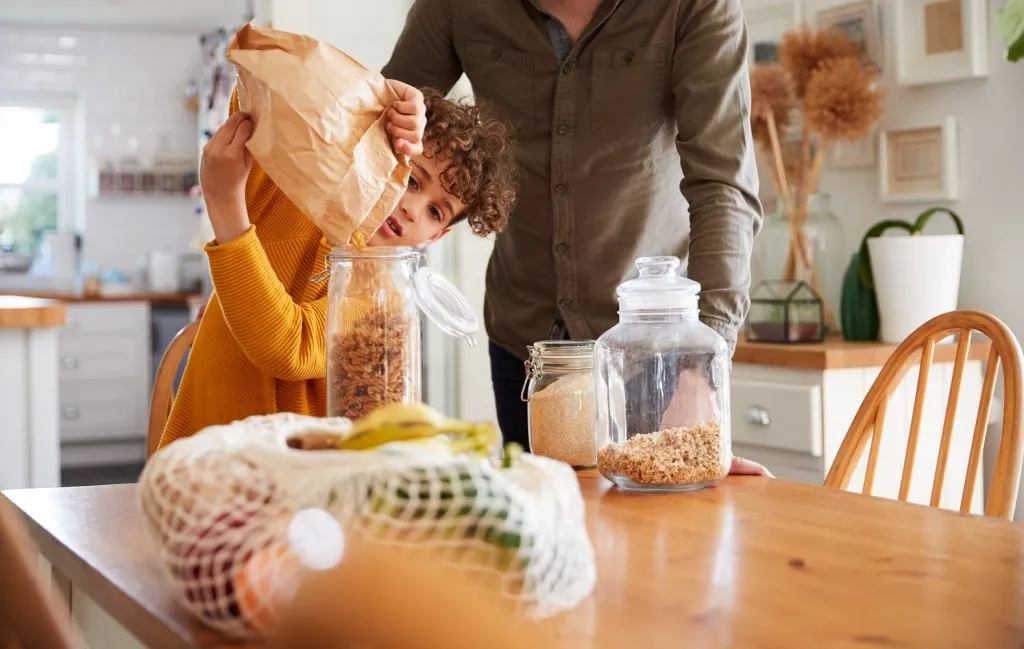
It can seem daunting to dive into zero-waste living, but believe it or not, it’s all about making small mindful decisions each and every day. It’s not about letting go of all your favorite things in life; it’s making mindful decisions to reduce wastage and give your life a kick. You’re impacting the world by reducing landfill waste, copyright material, and for assisting sustainable businesses through it. Here are ten easy steps that will make your journey to zero-waste easier.
1. Start with a Waste Audit
It makes sense to understand where your trash is originating from before making any changes. Keep track of your garbage for a week and record disposable items, packaging products, and waste food. This will highlight what routines create the most trash so you can identify areas where minor changes will make a large impact.
Tips for a waste audit:
- Sort your trash into categories (plastic, food, paper, clothes).
- Keep track of frequent items like disposable coffee cups or snack packs.
- Identify items that are easy to replace with something reusable.
Once you have a sense of what your habits with the trash are, you can then switch those up specifically, rather than getting overwhelmed trying to switch everything all at once.
2. Bring Your Own Bags and Containers
A significant amount of landfill waste is made up of plastic bags and packaging. Let’s adopt a straightforward, useful strategy and regularly shop using reusable containers, jars, and bags.
- Store a few bags in your handbag, backpack, or vehicle.
- Gather grains in glass jars or cloth bags; the same is true for bulk-purchased pasta and nuts.
- Collapsible containers could be useful for transporting takeout or leftovers.
SpreadMaya brands offer cool, green hemp bags perfect for shopping, daily chores, or as a fashion bag. Using a tough hemp bag not only bans plastic but lasts for years without tearing, and that is an excellent investment.
3. Make the switch to reusable water bottles and coffee mugs.
Paper coffee cups and single-use plastic bottles are two of the most frequently found objects in the trash. Making the switch to reusable cups and bottles can have a significant impact.
- Keep a BPA-free or stainless steel water bottle with you.
- When you visit your favorite coffee shop, bring a reusable coffee cup.
- Drinks can be kept at the ideal temperature for hours by using insulated bottles.
- Over time, these minor adjustments lower landfill trash and save you money.
4. Buy in Bulk and Refill
Purchasing in bulk is a great method of reducing packaging waste. Most grocery stores, health food shops, and zero-waste stores now enable customers to refill jars or cloth bags with dry foods.
- Buy grains, nuts, pasta, and cereals in bulk.
- Use your own containers or reusable bags to refill.
- Buy from stores that favor minimal packaging or provide biodegradable packaging.
Refilling in bulk not only conserves waste but also encourages conscious consumption, as you buy only what you actually need.
5. Use Sustainable Fashion
Fast fashion is the largest generator of textile waste globally. Greening up with sustainable fashion means valuing quality over quantity and making more environmentally friendly fashion choices.
- Choose natural fibers like hemp, organic cotton, or bamboo.
- Buy fewer, multi-functional pieces that also last longer.
- Repair or repurpose clothes instead of discarding them.
SpreadMaya is a wonderful name for the sale of hemp clothing and accessories. Their green dress is durable, multi-functional, and can easily be a part of a zero-waste lifestyle.
6. Compost Food Scraps
Home trash contains a huge amount of food scraps. Composting can be used to decrease food scraps and make them into fertile garden soil.
- Compost fruit and vegetable peels, tea, coffee, and eggshells. Utilize a worm house or kitchen compost bucket if you have an apartment.
- Compost meat, milk, and oily foods never, as they will attract rodents.
- Minor modifications, such as composting garbage instead of disposing of it to the landfill as rubbish, create gigantic differences in creating a whole lot less waste to be buried within landfills.
7. Refrain from Single-Use
Single-use items like straws, cutlery, packaging, and cling wrap surround us. You can do your part by replacing them with reusables.
- Replace plastic straws with metal or bamboo straws.
- Replace cling wrap with beeswax wraps or reusable silicone lids.
- Bring reusable cutlery and snack containers when you have lunch or go on a picnic.
Small actions have a significant impact. They become second nature and lead family and friends to do the same.
8. Upcycle and Repurpose
Do not throw things away, but consider how you can upcycle or repurpose them. Tired old things can be given a new lease of life as useful or decorative objects, keeping them in use for longer and saving waste.
- Reuse glass jars to store pantry staples.
- Upcycle t-shirts into reusable tote bags.
- Give new life to out-of-date furniture using paint, newly restored hardware, or some creative do-it-yourself fixes.
Upcycling is not only waste-reducing, but it also gives a creative boost and gives our home that personal, individualistic finish.
9. Select Environmentally Friendly Personal Care Products
Personal care items tend to come in plastic or consist of toxic chemicals. Going green reduces waste and promotes healthier living.
- Try shampoo and conditioner bars instead of bottled ones.
- Try bamboo or biodegradable toothbrushes in place of plastic toothbrushes.
- Choose refillable soaps, lotions, and deodorants.
They are simple, effective, and allow you to eliminate single-use plastics from your life. Over time, you form a habit of a zero-waste lifestyle.
10. Advocate for Zero-Waste and Eco-Friendly Brands
Supporting brands that are concerned about sustainability is yet another fundamental aspect of leading a zero-waste lifestyle. You create a market by purchasing from eco-friendly, sustainable business enterprises.
- Search for companies that use natural, biodegradable, or recycled products.
- Promote transparency in packaging, sourcing, and production. Choose products that are durable, functional, and reusable.
Spread Maya is one of those new brands that are a combination of style, sustainability, and functionality. With their hemp handbags, hemp hats, and clothing lines, zero-waste living is no more an issue because you don’t have to compromise on quality or style. These kinds of brands are endorsed for a sustainable economy and make other companies also join the trend.
Tips for Sustainable Lifestyle
- Start Small: You don’t have to turn your life around overnight. Begin with small adjustments, habit by habit.
- Keep Learning: Keep yourself energized by reading blogs, viewing tutorials, or searching for zero-waste influencers.
- Get Others Involved: Funnier and better when you have family and friends on board.
- Track Your Progress: Notch victories such as minimizing weekly trash or completely substituting bottles with reusables.
Conclusion
Zero-waste living is a journey, not a destination. It’s a step-by-step process, composting food waste, bringing reusable bags, and selecting earth-friendly brands.
By applying these 10 simple steps, you can minimize your waste, live more consciously, and be part of a healthier world. The key is to be persistent, creative, and open to green choices on a daily basis.
Remember that zero-waste living is not ideal but is making better choices more often. Begin small, get inspired, and enjoy the fulfilling journey towards cleaner greener living.
Read Also: