Everything You Need to Know About Pre-Engineered Steel Buildings
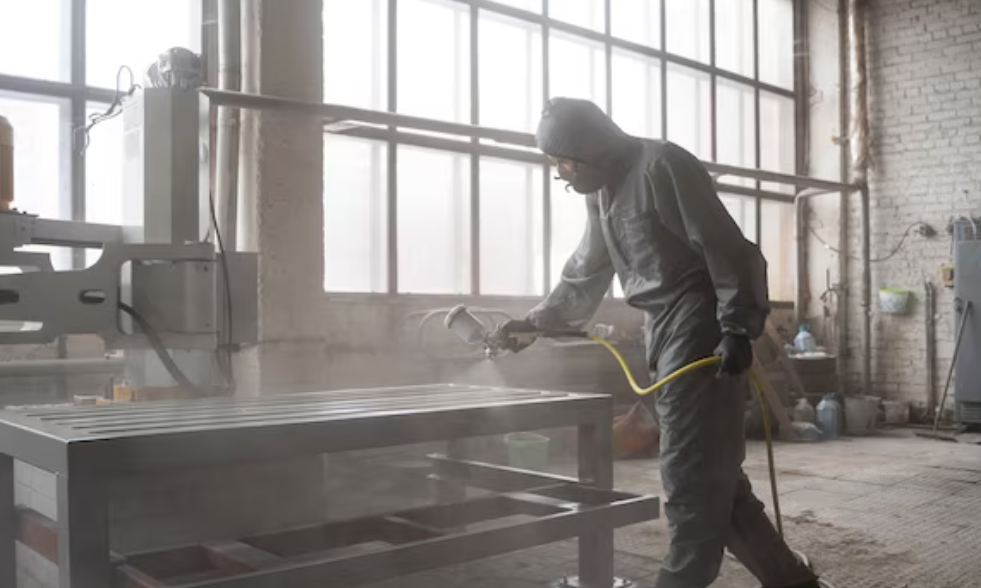
How come the giant warehouses and factories, or the modern halls, are set up so quickly and yet so tough-looking and at the same time stylish? The solution, surprisingly often, involves pre-engineered steel buildings.
These buildings are prefabricated and are just put together on location, which is why they are widely used in several sectors.
So then, what are pre-engineered steel buildings, and how are they made? …And why are they so popular with so many businesses for buildings big and small?
What Are Pre-Engineered Steel Buildings
Pre-engineered steel building. As its name implies, Pre-engineered steel buildings are structures where most of their parts are prepared and made off-site, and then transported to the construction area. These parts are then put together as a puzzle when they are prepared. This makes for quicker, cleaner and highly efficient operation. In contrast to construction, where everything is carried out bit by bit on-site, the work is planned and prefabricated here.
It is also used in warehouses, factory buildings, commercial buildings, and aeroplane hangars, particularly in areas not needing columns. And they do so for very simple reasons- pre engineered steel buildings are time-saving, strong, and can be tailored to a variety of requirements.
How Pre-Engineering Works
How Pre-Engineered Steel Buildings Are Made. In a pre-engineered steel building, the entire structure is made and fit to size at the factory and then assembled and erected on the site. The engineers make a complete design and detailed plan with the size, purpose and location of the structure in view. Then, the steel members, such as columns, rafters, beams, etc., are fabricated in the factories very precisely.
When the components are finished, they are delivered to the site and joined by bolts, welds and other fittings. Since all the pieces are measured and cut, the assembly doesn’t take much time compared to conventional building. That way, projects can be done fast, and not at the expense of quality.
The Strength of Steel
The steel in these buildings is one of the best parts of them. Steel is recognised for its strong, long-lasting service. It’s durable enough to contain heavy loads, withstand weather changes and daily use, yet holds its shape without getting misshapen.
At the same time, though, it can also give architects some leeway to be creative with their designs; architects can create larger open spaces without requiring a large number of columns to support the roof. That’s why it is appropriate for warehouses, factories and other locations that need lots of open floor space.
Benefits of Pre-Engineered Steel Buildings
There has been a growth in the popularity of the pre-engineered steel structure, as this type of building provides many benefits to both the builder and the owner. These advantages do more than speed construction, they also deliver quality, cost effectiveness.
Even better, these structures are compatible with both massive industries and smaller projects. The same mechanism can work from little storage to huge factories.
Fast Construction
There is one reason why pre-engineered steel buildings are so well-liked: quick construction. Factory production being predominant, the site work becomes an assembly only. This cuts down on the overall project timeline and also allows companies to begin using their operations earlier.
Rapid construction also means less labor and fewer site operations, which streamlines the entire process.
Cost Efficiency
Another significant benefit is being cost-effective. Since the design, cutting, and manufacturing are within one environment, there is very little or no material wastage. This saves the general costs and ensures high quality.
More so, the reduced construction period also lowers the labour and construction management costs at the site. Over time, you end up saving on the price of maintaining buildings since steel is one of the materials that outlasts buildings.
Flexibility in Design
Pre-engineered steel structures can be designed for any desired size and use. The design can be tailored from small storerooms to big industries. The wide open space that little interior columns will be ideal and can be designed by the architect and the engineers, appropriate to buildings such as warehouses, workshops, or event halls.
This flexibility allows the space owners a choice of maximising the value, and future modifications can be easily incorporated into the building design.
Durability and Safety
Steel structures stand the test of time. They are pest-resistant, wind-resistant, and rain-resistant and much more natural conditions that they withstand. This also makes them durable for long-term use.
It has also been important for safety. These structures are constructed under strict requirements, hence they can withstand heavy loads and can also become a safe working platform for the crew and equipment.
Low Maintenance Needs
Requiring little maintenance, The relatively low maintenance required is another aspect that draws people to pre-engineered steel buildings. Compared with the traditionally constructed structures, steel buildings do not require a lot of maintenance. They can be used in good condition after a few decades of check-ups and minor repairs.
Pre-Engineered Steel Building Uses
Pre-engineered steel buildings are one of the most common building styles in all industries and for many applications. Their versatility makes your projects nearly endless.
Used for commercial, industrial and even community projects, these buildings meet a wide variety of needs.
Industrial Uses
Factories, manufacturing plants, and warehouses usually require larger workspaces since they have lots of machines, storage goods, and free flow movement of fabricated and packaged goods. The speed of construction also means businesses get going faster.
Commercial Uses
Showrooms, office spaces and shopping halls are a few examples of many commercial buildings being made of pre-engineered steel. The clear design and open space also allow optimal utilisation of the interior, giving it a modern architectural appearance.
Agricultural and Community Uses
Farmers use steel for keeping their harvests, machinery and animals. On the other hand, public use structures like sports halls, event centers, and similar utilities are favouring pre-engineered steel structures that can be built at a quicker pace and cater to the needs of occupancy for a longer time.
Why They Are a Smart Choice
That’s why many people believe that a pre-engineered steel building is the smart way to go, since you get durability, value and super fast construction.
They spare you from having to hire an expensive contractor, use complex building plans and, in the case of traditional pouring, save you from a subpar, cheap-looking cement job, which will not give you the same style or hold up nearly as long.
They are the framing of choice for many who need a strong structure that can be completed fast without wasting quality. Their usefulness and dependability are apparent in that they are applicable in numerous industries.
Long-Term Value
The steel buildings constructed are pre-engineered and are designed to last long and withstand corrosion and mildew. Businesses and communities enjoy no-brainer longevity benefits from structures (that they can reuse) after 20 years with minimal economic impact.
Eco-Friendly Option
It makes such buildings environmentally friendly since steel is recyclable hundred per cent. Various parts can be used again or recycled beyond the mobile usage, reducing garbage and favouring the green environment.
Conclusion
It’s no wonder so many people are opting for pre-engineered steel buildings as a solution to their building needs; everything from an aeroplane hangar, to your very own steel garage or super sturdy barns, the possibilities are virtually limitless.
From the moment the design has been finalised to the final assembly, our work is done with precision and quality. And then, of course, there is the broad utilisation among industrial, commercial, agricultural and municipal operations, which yet demonstrates that the water-wheel is the most effective for every purpose.
From the strength of the steel in the framing of the structure to the design versatility of the building, a metal building is the clear choice when it comes to new construction. They also make projects faster, safer and stronger, providing a smarter choice for both business and community to create trusted spaces.
Read Also: