Finding The Best Place To Sell An Engagement Ring For Maximum Return
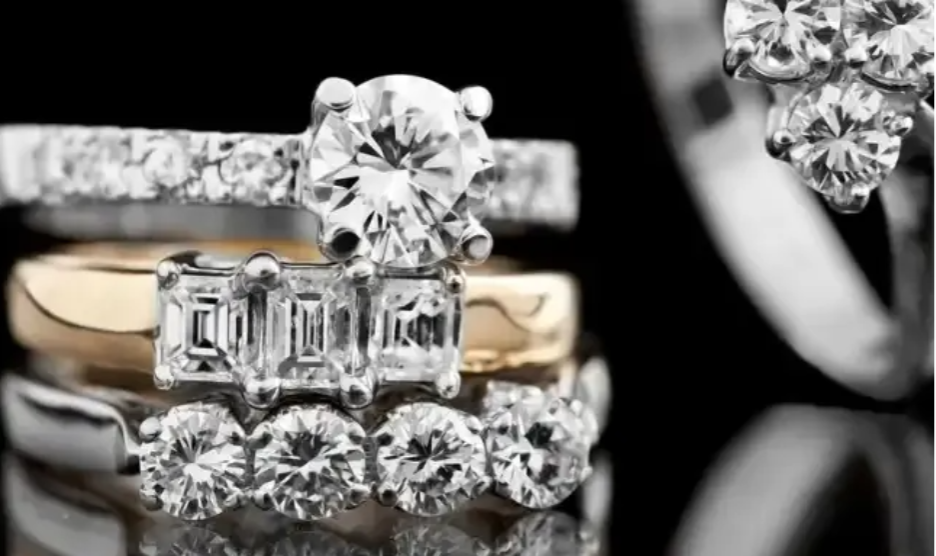
Selling an engagement ring can be daunting if you have never sold fine jewelry before.
You may be unsure where to sell it, how much it's worth, or whether you're getting a fair offer. With so many selling options available, choosing the wrong one could mean accepting less than your ring's fair market value.
Fortunately, understanding your selling options can help you make an informed decision. Each option offers a different balance of potential return, speed, convenience, and security. Understanding these differences can streamline the selling process and help you avoid common pitfalls.
This guide will help you understand where to sell an engagement ring and which option is best for maximizing your return.
1. Specialized Online Buyer
For many sellers, finding the best place to sell engagement ring often leads to a specialized online buyer. Unlike general jewelry buyers, diamond specialists evaluate engagement rings using expert standards. Because they operate nationwide, they base their offers on broader market demand rather than local resale conditions.
Another benefit is the convenience of the process without compromising security. For instance, a reputable online buyer will provide insured shipping, expert evaluations, competitive offers, and prompt payment once an offer is accepted. Additionally, many also have clear return policies, allowing sellers to decline an offer and have their jewelry returned if they choose not to proceed.
Overall, specialized online buyers often offer one of the best combinations of competitive pricing, speed, and peace of mind. As a result, this is an excellent option for anyone looking for a fast, hassle-free sale, with most transactions completed within one to seven days.
2. Local Jewelry Store
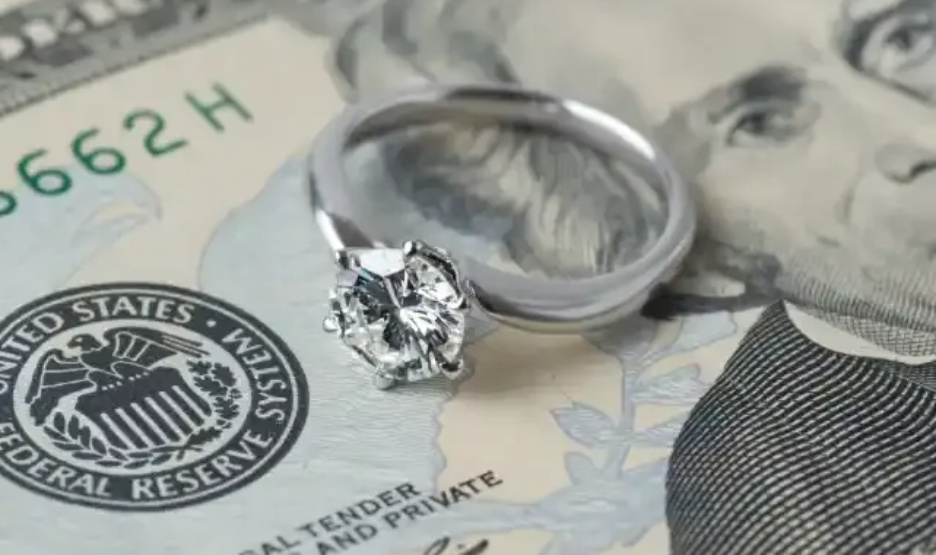
A local jewelry store is another option for selling an engagement ring, especially if you prefer meeting a buyer in person. In addition, sellers who value convenience can often receive same-day or next-day evaluations.
However, local jewelers are constrained by local resale demand. Retail jewelers buy jewelry to resell it in the local market. Therefore, if your diamond falls outside the sizes or shapes that are in demand in your local market, you may receive a lower offer than expected.
Another factor affecting the offer you receive is the jeweler's overhead. Large jewelry chains typically have higher operating costs, which may limit how much they can offer for your ring. For this reason, it is important to compare several offers because an independent jeweler may sometimes provide a more competitive price. Ultimately, comparing a few offers is still the best way to see what your ring is worth in the current market.
3. Auction House
An auction house is a suitable option for a rare, antique, designer, or exceptional diamond engagement ring. These venues attract collectors and buyers who may be willing to pay higher prices for unique pieces. Therefore, if your ring has unique or hard-to-find characteristics, it might attract competitive bids.
However, auction sales usually require patience. The process can take several weeks or even months, and there is no guarantee that the ring will sell within the expected timeframe. In addition, auction companies will usually add auction fees, so your final payout may be lower than expected.
Auctions are typically not the best choice for sellers of standard engagement rings. Instead, many sellers prefer selling directly to a buyer if they are seeking a quicker sale or a more predictable outcome, whereas auctions work best for truly unique or valuable pieces of jewelry.
4. Consignment
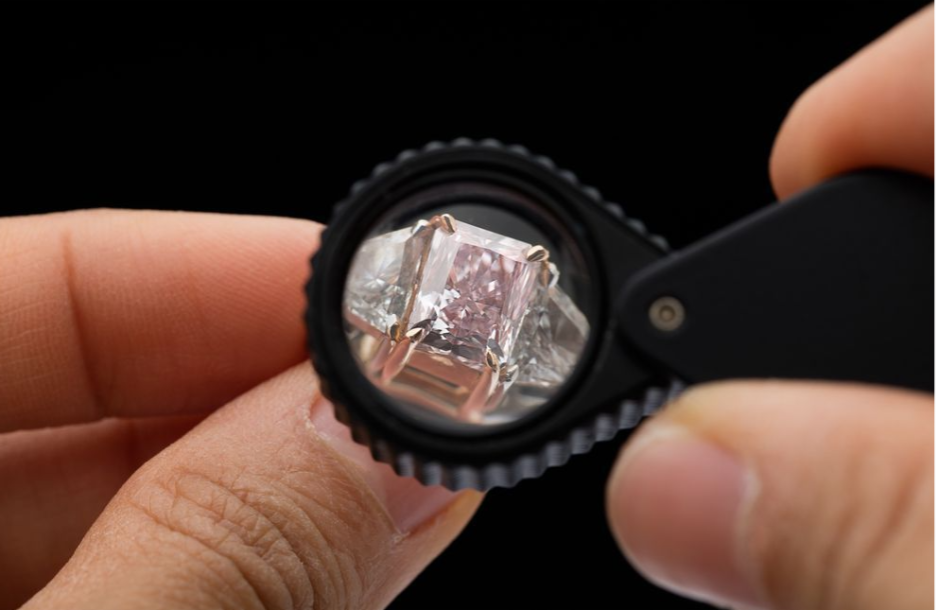
With consignment, you can leave your engagement ring with a jeweler or consignment shop while they look for a buyer. You retain ownership until the ring sells, making this option appealing if you are not in a hurry and are willing to wait for the right buyer.
Although consignment requires little effort after you hand over the ring, the process can take weeks or even months. Additionally, there is no guarantee your ring will sell within your preferred timeframe. During this time, you will not receive payment until the ring sells.
Commission is another key factor to take into account. Some consignment services charge commissions of up to 50% of the final sale price, which can significantly reduce your overall return. Therefore, review the commission structure carefully and compare it with offers from direct buyers to determine whether consignment is the best financial choice for your situation.
5. Online Marketplaces
Popular online marketplaces such as eBay and Facebook Marketplace can help you reach a large pool of potential buyers. Additionally, because you set your own asking price, you may receive multiple offers, especially if your ring includes original documentation and has been well maintained.
However, the downside to selling over these platforms is that it takes more work. Creating listings, responding to inquiries, negotiating with buyers, and handling shipping and payments can make the process time-consuming.
Furthermore, security is another important consideration. Fraud, payment disputes, and limited seller protection are important factors to keep in mind, making online marketplaces a better choice for sellers who are comfortable handling the entire sales process.
6. Pawn Shop
The biggest advantage of selling to a pawn shop is speed. For example, if you need cash quickly, many pawn shops can look at your item and provide an offer the same day. Additionally, little preparation is required, making it a convenient option when you need cash quickly.
However, the downside is that you'll probably be offered less money. Pawn shops are general buyers, so they typically price jewelry conservatively to protect their resale margins. As a result, offers are usually much lower than those received from buyers who concentrate on diamonds and fine jewelry.
Therefore, most sellers should use a pawn shop as a last resort. A better approach that can yield a higher return for your engagement ring, if time permits, involves comparing offers from specialized buyers, local jewelers, or through other selling channels.
Conclusion
Finding the best place to sell an engagement ring depends on your priorities. If your goal is to maximize your return, compare each option based on its potential return, speed, convenience, security, and fees rather than accepting the first offer you receive.
Understanding how each selling method works can help you choose the option that best fits your needs.
Before selling your ring, gather any grading certificates, receipts, or appraisal documents you have and request offers from multiple reputable buyers. Taking a little extra time to compare your options can help you make a confident decision and increase your chances of receiving a fair market offer for your engagement ring.