How to Launch a Cosmetic Bag Line
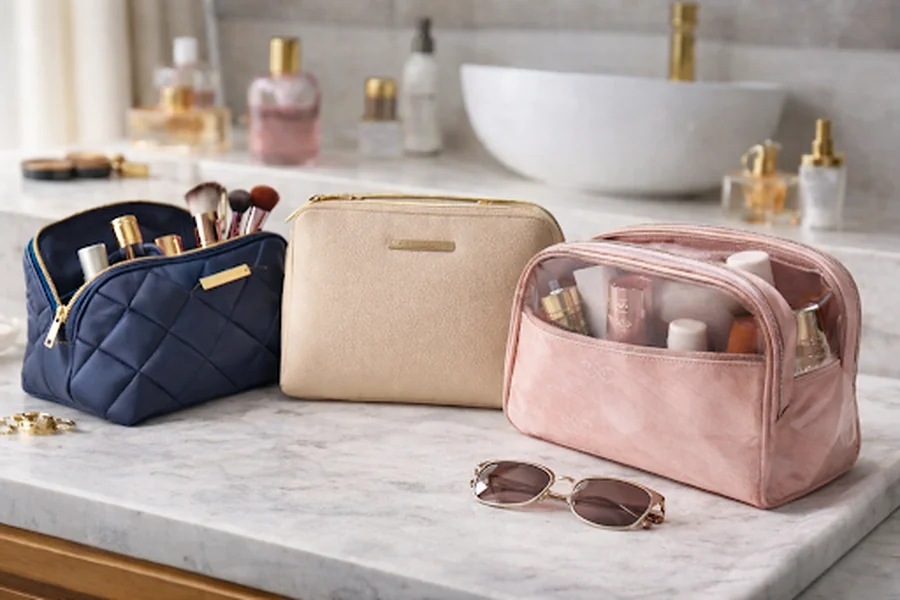
At some point, many fashion and beauty brands start looking for their next move. Core products are selling, but growth begins to level out. That is often when cosmetic bags enter the conversation.
The idea sounds simple. Then the practical questions surface. Will it fit your brand? Will it generate steady revenue? Or will it stretch your operations too thin?
For many brands, cosmetic bags are a practical expansion because they are less complex than apparel. There are no sizing charts to manage and no fit issues to troubleshoot. Customers already understand how to use them.
That is one reason brands choose to work with trusted manufacturers like Ciffnoo Lifestyle Bag Manufacturer when internal resources are limited. With an experienced partner handling development and production, expansion tends to feel more manageable.
Cosmetic bags also offer room to test. You might introduce one as a checkout add-on. Later, it could evolve into a bundle or limited seasonal release. If demand proves consistent, it can become a permanent part of your product mix rather than a short experiment.
Why Cosmetic Bags Are a Smart Place to Start
Compared to apparel, bags remove several operational layers. Returns tied to sizing are far less common and production is generally more predictable.
They also allow flexibility in positioning. A canvas version can keep pricing accessible. A structured PU option with upgraded hardware can move into a higher tier without changing the core design. Small material adjustments often shift perception more than people expect.
Cosmetic bags also integrate naturally with what beauty brands already sell. They pair well with skincare sets, travel edits and seasonal launches. Customers rarely need much explanation. If they already trust your products, adding a bag feels like a practical extension.
For many brands, that familiarity lowers the risk of expansion.
Get Clear on What You’re Actually Launching
It’s easy to get caught up in color palettes, finishes, and packaging ideas. Before design work moves forward, though, it helps to pause and ask a simple question: who is this bag really for?
A small pouch designed to live inside a daily work tote has very different needs than a larger case meant for travel. The way it opens, how much it holds, how it feels when packed — all of that shifts depending on who will actually use it.
Positioning needs the same level of clarity. Should the bag feel refined and giftable, or straightforward and accessible? Some brands lean into recycled materials because sustainability runs through everything they produce. Others focus more on prints and seasonal updates that keep collections moving.
When that direction isn’t settled early, the process starts to drift. A sample arrives and feels slightly off. Changes are made. Another round follows. Each revision nudges the timeline a bit further, and costs tend to rise along the way.
Spending more time defining the basics upfront doesn’t prevent adjustments entirely. It simply makes them smaller and easier to deal with.
Pick Materials That Make Sense for Your Brand
Material decisions usually feel clearer once you imagine how the bag will actually be used.
When structure and a more refined look are priorities, PU often comes up early in the discussion. It keeps its shape and presents well in photos, which helps if most sales happen online. The trade-off is cost, and that difference becomes more noticeable as order quantities increase.
For everyday use or travel, nylon often feels more practical. It is lighter, easier to carry and generally more forgiving with frequent use. Canvas shifts the tone in a different direction. It feels softer and more relaxed, which can make sense when producing in larger volumes and keeping pricing within reach.
Sometimes the choice connects directly to brand identity. Brands that emphasize sustainability across their collections often lean toward recycled materials because the alignment feels natural. In other situations, neoprene stands out for its added weight and thickness. That extra substance can make a bag feel more appropriate for gifting or higher-end projects.
There is rarely one material that solves everything. The real question is whether the choice feels consistent with your brand once the product is in someone’s hands.
Design for Real Life, Not Just Instagram
A bag might look great in photos. Daily use is what shows how well it really works.
Zippers are usually one of the first things people notice. When one starts catching or pulling apart after a short time, that irritation lingers. Stitching matters just as much, especially around corners or areas that carry more weight when the bag is full.
The lining doesn’t seem important at first. It becomes important the moment something spills. Makeup and skincare leaks are normal. A lining that wipes clean without much effort makes the bag easier to live with. If it stains easily, the problem tends to show up again and again.
Size can also take time to figure out. A bag might seem fine at first, then feel too small once you start using it daily. A larger one may look practical but end up taking more space than expected inside a handbag or carry-on. What works usually depends on how the bag fits into someone’s routine.
Over time, people remember how a bag holds up once it becomes part of everyday life.
Understand MOQ, Sampling and Timelines Early
Early conversations with manufacturers introduce new terminology. MOQ, or minimum order quantity, is usually one of the first.
For cosmetic bags, this often means several hundred units per design. That number can feel significant, but it forces realistic planning. How many units can you confidently sell within a defined period?
Sampling follows. A prototype arrives based on your specifications. This is where digital concepts meet physical reality. Colors may appear slightly different. Hardware may feel lighter than expected. Minor revisions are common before approval.
Production itself moves in stages. Fabric sourcing, cutting, sewing, printing and inspection all require time. Even well-managed projects take weeks from final approval to completion.
Understanding that timeline helps align launch expectations with operational reality.
Don’t Overlook Quality Control
Approving a strong sample is only part of the process. Bulk production must match that approved version consistently.
Even small color variations become noticeable when customers reorder. Hardware durability affects long-term satisfaction. Inconsistent stitching can quickly lead to returns.
Clear inspection steps help catch issues before shipment. This can include testing zippers repeatedly, checking seam strength, verifying measurements and conducting random checks prior to dispatch. Manufacturers like Ciffnoo emphasize this stage because consistency directly impacts repeat purchases.
Skipping these steps may save money upfront, but product failures typically cost more over time.
Plan Your Launch Around Production Reality
On a spreadsheet, launch dates look fixed. In real life, they move.
Shipping runs late. Customs holds things up. A supplier says they need a few extra days. Suddenly the date you were working toward isn’t realistic anymore.
After going through that once or twice, most brands stop building campaigns around estimates. They wait until inventory is confirmed, or at least close. It removes a lot of stress. Photos get taken when the product is actually there. Influencers receive stock that can really ship. Announcements happen when customers can actually buy.
Pre-orders can help if your audience already trusts you. But even then, it’s better to be upfront if something changes. People are usually patient. They just don’t like surprises.
When marketing lines up with what’s actually happening on the production side, everything feels calmer. Fewer last-minute fixes. Fewer apology emails.
Think Long Term From Day One
The first production run usually receives the most attention. Long-term success depends on what follows.
Restocking tests consistency. Customers expect the same color tone, construction quality and overall feel when they reorder.
As order volumes grow, operational details become more visible. Material availability, production scheduling and inspection standards all require tighter coordination.
A dependable supplier relationship supports that stability. When expectations are clear and processes are established, repeat orders require fewer adjustments.
The real test comes with the second and third production runs. That is when consistency proves itself.