The Filtered Face: How Social Media is Shaping Rhinoplasty Decisions
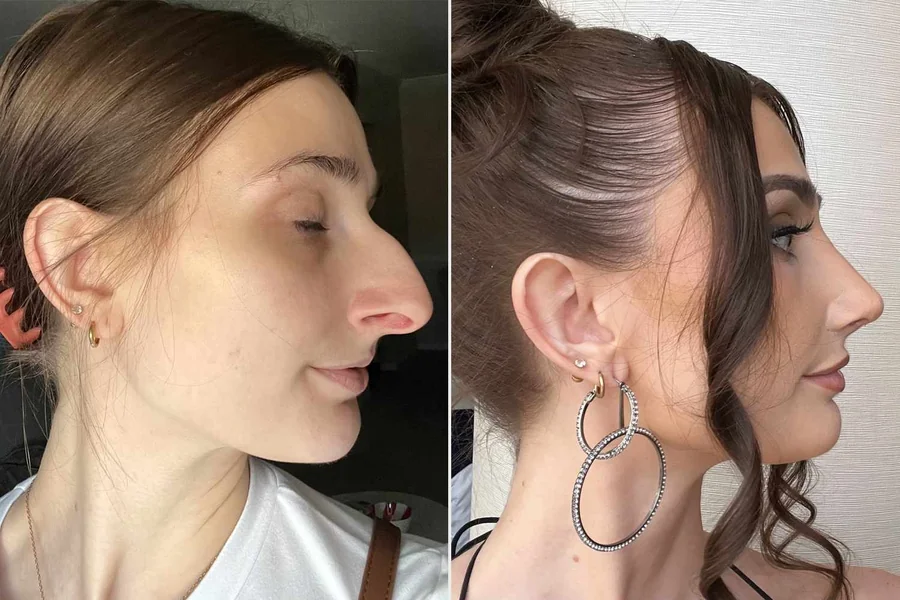
With digital connectivity taking center stage, the personal choices regarding appearance have witnessed a drastic revolution. For the past few years, social platforms have been creating stronger and stronger forces of aesthetic influence, more so for cosmetic surgery. Rhinoplasty is such a specific and transformative procedure that the digital influence offers a colorful tapestry of information versus additional psychological pressures. The barrage of “before-and-after” pictures, celebrity endorsements, and perfection in filters from every corner has transformed beauty ideals-the way prospective patients view their own features or what they wish for their noses.
This transformation has cultivated a new environment meant to inspire and create expectations. Instagram or TikTok have turned into showcasing portfolios for surgeons and inspiration-giving catalogues meant for would-be patients. For many, the visual treatment of imagery is the main trigger in their decision-making journey. To be able to thumb through hundreds of images or videos comforts people in researching varied surgical approaches and end results. Trends are often set by influencers and celebrities with the kind of curated aesthetic that makes a particular look more desirable. While being able to access information has the power to uplift, it also demands from an individual the big task of separating authentic results from misrepresented or doctored content. It takes a keen eye to make one’s way through such a digital jungle where the divide between truth and artistry is subtle.
For a Nose Job, Filtered Reality Can Be a Trap in Two Ways
A very special glittering glass of concern that social media casts on rhinoplasty is the birth of unrealistic beauty standards. The rampant usage of facial filters on applications such as Snapchat and TikTok, which can trim a nose, slim a face, and smooth skin in real-time, has birthed the phenomenon popularly known as “Snapchat dysmorphia.” It describes how increased dissatisfaction with actual life appearance is leading individuals to get cosmetic surgery to appear like their filtered selves. The desire for a flawless, symmetrical, and often unnatural view propagated by the filters has increasingly become the basis for some of the requests being made by patients. This trend serves to complicate the undertaking, as the highly qualified surgeon will need to address these expectations and direct the patient to an outcome that is pleasing to the eye and in harmony with the natural facial anatomy.
Another big danger in the digital age is misinformation. The ease of spreading content makes it almost effortless for unverified claims, edited photos, and misleading testimonials to go viral. It is almost impossible for one thinking of undergoing a procedure to know what is a sincere success story and what is simply marketing. It is even worse with cases about nose reconstruction, which require a functional integrity and a staged approach based on the utmost trust. A patient who believes they’ve got some social media sphere, in the best case, is going to be completely disappointed or, at the worst, they might sign up for an ill-advised decision with scary outcomes. This makes a much more urgent case for a responsible and ethical approach presented by the practitioners.
A Professional’s Role in the Digital Equator
Plastic surgery has never been as important as it is in this new digital age, with more active social channels than ever. While social media can aid initial research phases, they cannot take the place of real in-person consultation with a board-certified professional. During an in-person consultation, the surgeon becomes the technician, educator, and counselor. Their role is to allow an open discussion with their patient addressing the motivation, expectations, and realities of what is surgically achievable. The ethical practitioner will focus on results that maintain the functional importance of the nose and complement the overall balance of their patient’s facial structure rather than endeavoring to produce a look from a trending filter or celebrity.
Although social media has changed the view of cosmetic surgery forever, it is still an online platform that should be taken with caution and a questioning attitude. The journey toward a rhinoplasty or nose reconstruction operation must start with internet research but must end in a tailor-made, fact-based discussion with a trusted doctor. This means that the final decision should be based upon sound medical advice, realistic expectations, and a clear idea about the route ahead toward an outcome that is safe, effective, and satisfying for the patient.