Celebrity Beauty Secrets: What Really Gives Stars Glowing Skin
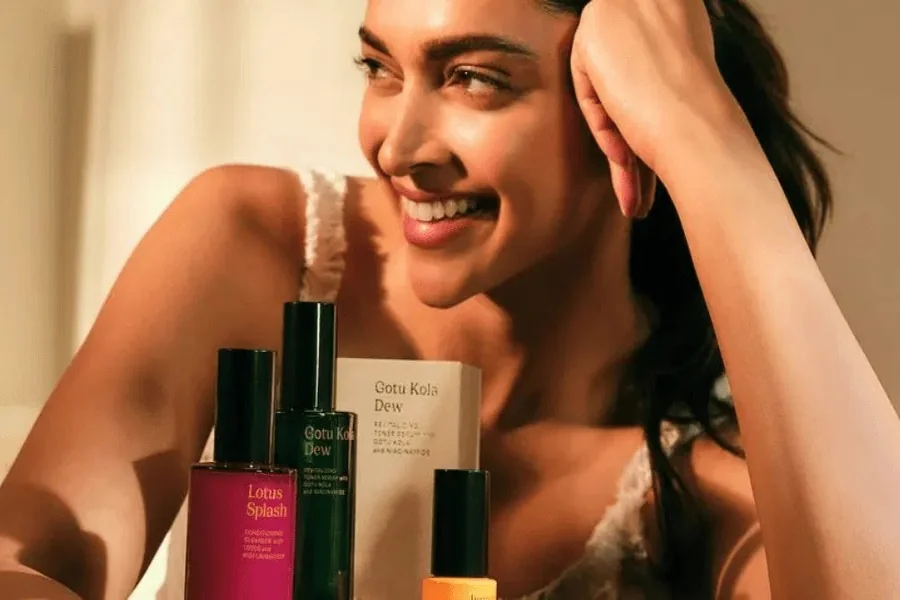
The luminous skin you see on a red carpet is rarely down to one miracle product. It is usually the result of steady daily habits, professional help in the days before an event, skilled makeup and flattering light, and sometimes editing after the fact. Separating those layers is useful, because most celebrity beauty secrets that matter are everyday habits anyone can borrow.
A Simple, Consistent Routine
Dermatologists and facialists tend to agree that consistency matters more than the number of products. A basic routine of gentle cleansing, moisturizing and daily sun protection, followed every day, does more for skin than an elaborate regimen used sporadically.
- Cleanse gently. A mild, non-stripping cleanser in the evening removes sunscreen, makeup and pollution. Many people with dry or sensitive skin only need water or a very light cleanse in the morning.
- Moisturize. A moisturizer suited to your skin type helps maintain the skin barrier, which keeps skin looking smoother and less irritated.
- Protect. Broad-spectrum sunscreen, applied generously every morning, is the step skin professionals emphasize most.
Sunscreen Is the Real Secret
Ultraviolet exposure is the leading external cause of visible skin aging, including fine lines, uneven pigmentation and loss of firmness. That is why sunscreen comes up in almost every conversation about skin that ages well. Choose a broad-spectrum formula with SPF 30 or higher, apply it to the face, neck and ears, and reapply when you are outdoors for long periods. Hats, sunglasses and shade add further protection. Wearing it on cloudy days and in winter matters too, since UVA rays are present year-round.
Proven Active Ingredients
Beyond the basics, a small number of ingredients have strong evidence behind them. Retinoids, from over-the-counter retinol to prescription tretinoin, encourage cell turnover and are widely used to improve texture and fine lines. Vitamin C serums are popular as an antioxidant step in the morning. Exfoliating acids such as glycolic and lactic acid can brighten a dull surface, while niacinamide is well tolerated and often used for redness and uneven tone.
Introduce one new active at a time, start slowly and watch for irritation. Retinoids and acids can make skin more sensitive to the sun, which is another reason to keep up with sunscreen. If you are pregnant, breastfeeding or have a skin condition, check with a doctor or dermatologist before starting retinoids.
A Word on Natural Remedies
Honey, aloe vera and oils are often mentioned in beauty interviews, and some have their place: aloe gel can feel soothing, and honey is a gentle, humectant ingredient in masks. But “natural” does not automatically mean gentle. Coconut oil can clog pores in acne-prone skin, citrus juice and undiluted essential oils can irritate or sensitize, and baking soda disrupts the skin’s natural acidity. When in doubt, a well-formulated product is often kinder than a kitchen experiment.
Sleep, Diet and Exercise
Lifestyle habits show up on the face. Most adults need at least seven hours of sleep, and consistently short nights tend to leave skin looking duller, with more pronounced under-eye shadows. Regular exercise improves circulation, which is part of the flush you notice after a workout, and helps manage stress. Remove makeup and cleanse after sweating to avoid breakouts.
A varied diet with plenty of vegetables, fruit, whole grains and healthy fats supports overall health, and skin is part of that. Staying hydrated is sensible, though drinking extra water will not by itself transform dry skin; a good moisturizer does more for the surface. If you notice that particular foods seem to trigger breakouts, a dermatologist can help you work out whether there is a real link.
What Happens Before a Big Event
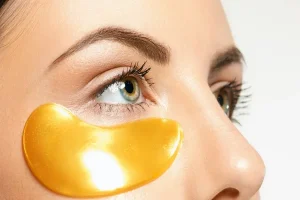
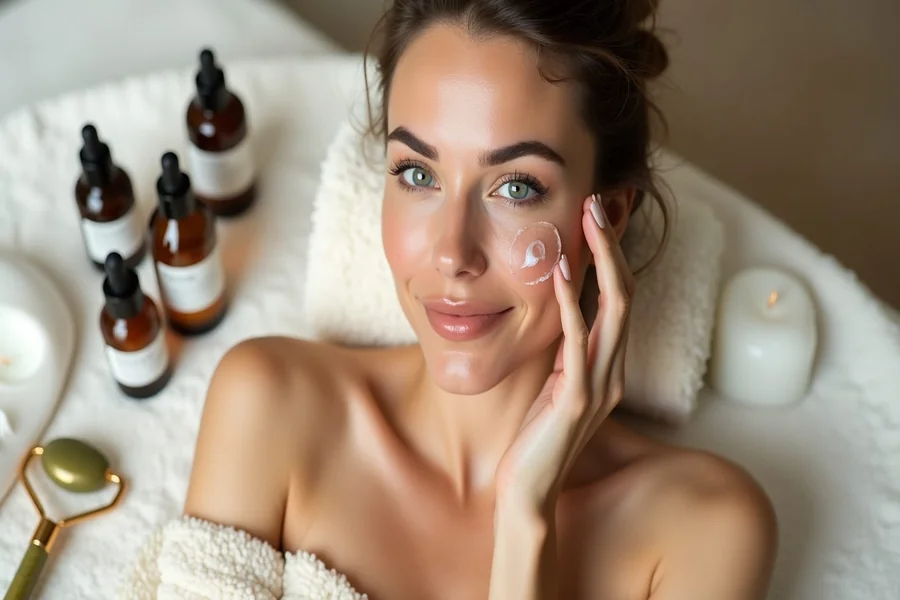
Much of the red-carpet glow is preparation. People in the public eye often have access to facialists, dermatologists and aestheticians who can offer treatments such as professional peels, facials and in-clinic procedures. Common pre-event steps shared by makeup artists include hydrating sheet masks, cooling tools to reduce puffiness, and facial massage to bring color to the skin. Professionals generally advise against trying anything new or strong, such as a first-time peel, in the days right before an important event, in case it causes redness or peeling.
Makeup, Lighting and Editing
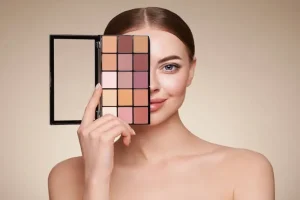
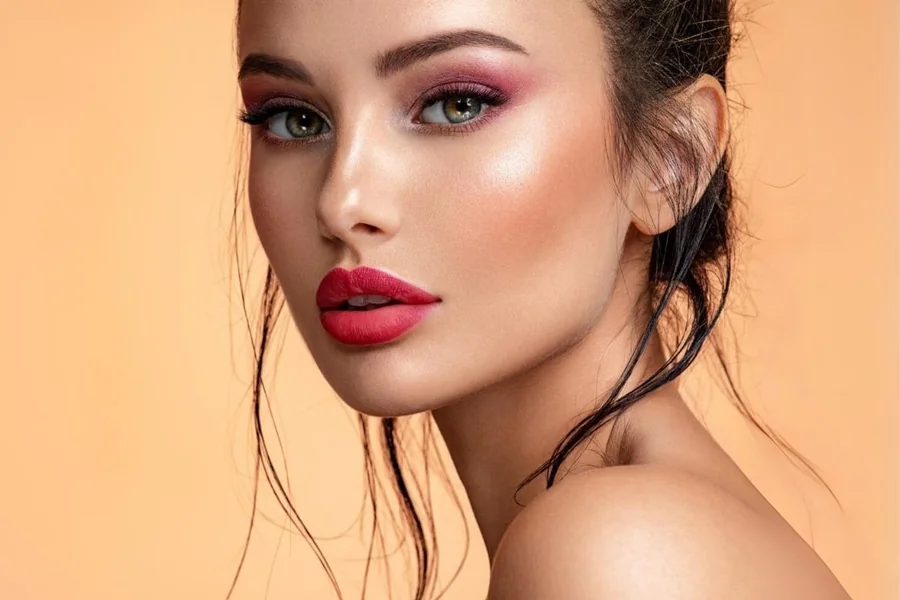
A professional makeup artist is one of the biggest factors in how skin looks on camera. Techniques such as thorough skin prep, thin layers of foundation applied only where needed, cream highlighter on the high points of the face and targeted concealer create the effect of flawless skin. Photographers and film crews then use flattering, diffused light, and many published images are retouched. It is worth remembering this when comparing your own skin, in daylight and without filters, to a magazine cover.
To borrow the approach at home, focus on prep rather than coverage: moisturize well, let it absorb, use a light base or tinted moisturizer, conceal only where you need to, and add a touch of cream blush or highlighter for dimension.
Small Habits That Add Up
- Change pillowcases regularly and wash makeup brushes often.
- Avoid picking at blemishes, which can leave marks that last longer than the spot itself.
- Keep your hands away from your face during the day.
- Take off makeup every night, however tired you are.
- See a dermatologist for persistent acne, rosacea, pigmentation or any changing mole rather than relying on trial and error.
None of this is glamorous, but it is the part of the routine that works off camera as well as on it.