Chinese Street Fashion: Where Tradition Meets Futurism
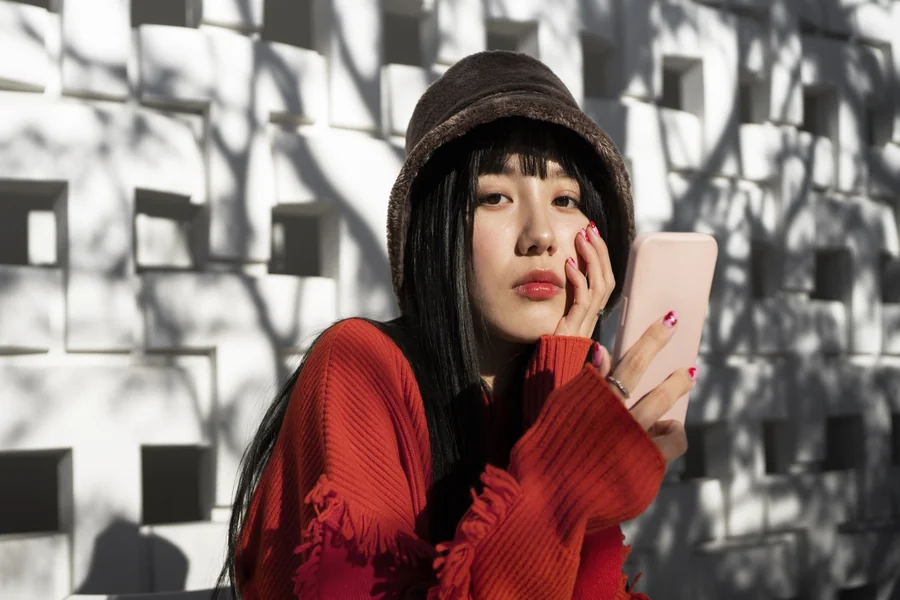
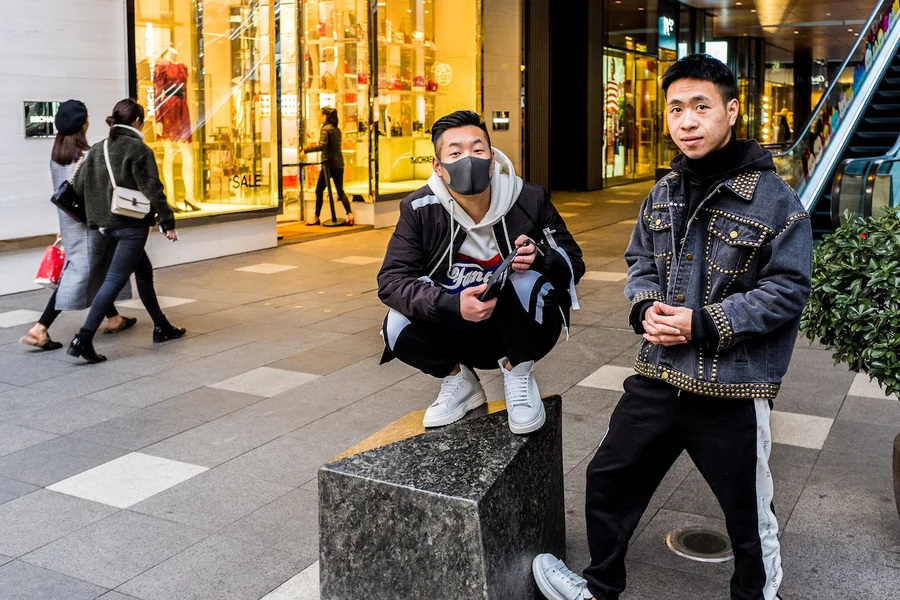
Street style in Chinese cities such as Shanghai, Beijing, Chengdu and Guangzhou has become one of the most closely watched in the world, largely because it is shared so widely on social media. What makes it distinctive is the combination: traditional garments and details worn next to technical fabrics, oversized streetwear and experimental local designers. Rather than simply copying Western trends, many young people are drawing on Chinese history and aesthetics and remixing them in their own way.
The hanfu revival
One of the most visible movements is the revival of hanfu, the umbrella term for the traditional dress of the Han Chinese, particularly styles associated with dynasties such as the Han, Tang, Song and Ming. Hanfu typically features crossed collars, wide sleeves, wrapped or layered robes and long skirts, often tied with sashes.
Enthusiasts began organizing online communities and meetups in the early 2000s, and the movement has grown considerably since. Today it is common to see young people wearing hanfu in parks, historic districts and at festivals, and a whole industry of makers produces garments at a range of prices. Many wearers adapt the style for daily life with shorter lengths, simpler layers or modern fabrics, and some pair hanfu tops with jeans or sneakers.
Guochao: the “national trend”
Guochao, literally “national tide,” describes a wave of enthusiasm for Chinese brands and design that draw on Chinese culture. It has been especially strong among younger consumers since the late 2010s.
Sportswear brand Li-Ning is often cited as an early example: its 2018 show at New York Fashion Week, which put Chinese characters and retro references at the center of the collection, was widely covered as a turning point. Other domestic brands, from sportswear to beauty, have since leaned on traditional motifs, calligraphy, historical colors and collaborations with museums and heritage institutions.
In practice, guochao on the street might mean a hoodie printed with characters, sneakers from a Chinese label, embroidery inspired by traditional patterns, or a bag decorated with motifs from classical art.
Modern takes on traditional details
Beyond full traditional dress, many outfits borrow specific elements:
- Mandarin collars, the short stand-up collar, on shirts, jackets and dresses.
- Frog closures (pankou), the decorative knotted fastenings, used on cardigans, jackets and tops.
- Qipao influences, such as the side slits, fitted silhouette and diagonal front opening of the qipao (also known as cheongsam), reworked into shorter dresses, tops or knitwear.
- Silk brocades and jacquards with floral or cloud motifs, sometimes cut into bomber jackets or puffer coats.
- Tang-style jackets, with straight cuts and knotted buttons, layered over T-shirts.
Combining one of these details with contemporary basics is the most common approach: a silk mandarin-collar shirt with wide trousers and sneakers, for example, or a qipao-inspired dress with chunky boots.
Techwear and the futuristic side
At the other end of the spectrum is techwear: functional, often all-black clothing with technical fabrics, multiple pockets, straps, buckles and waterproof shells. It suits the dense, fast-moving environment of big cities and fits a broader interest in futuristic aesthetics. Utility vests, cargo trousers, tactical bags and trail-style sneakers are staples. Some wearers blend techwear with traditional shapes, such as wrap closures or wide sleeves in technical nylon, which is where the “tradition meets future” idea becomes most literal.
Designers shaping the scene
Shanghai Fashion Week and a growing number of independent boutiques have given a platform to Chinese designers who experiment with these ideas. Names such as Angel Chen, known for bold color and references to Chinese culture, and Feng Chen Wang, known for deconstructed tailoring and her explorations of identity, have shown internationally and helped raise the profile of Chinese fashion abroad. Many smaller labels sell primarily through social media and online platforms, which lets new designers reach young customers quickly.
The role of social media
Chinese platforms such as Douyin (the Chinese version of TikTok) and Xiaohongshu (often called RedNote) are central to how street style spreads. Short videos of well-dressed people walking through shopping districts, outfit breakdowns and styling tutorials circulate widely, both within China and internationally. This has made street style more deliberate: many outfits are planned with photos and video in mind, and trends can rise and fade quickly.
Regional character
Each city has its own reputation. Shanghai, with its international history and fashion week, is often associated with polished, trend-aware dressing. Beijing’s scene has strong links to art and music subcultures. Chengdu is known for a relaxed pace of life, and its street style is often described as playful and experimental. These are broad generalizations, and in every city there is a wide range of styles, but they show that there is no single “Chinese” look.
How to borrow the style respectfully
If these looks appeal to you, a few principles help:
- Learn what a garment is and where it comes from, and use the correct names.
- Support Chinese designers and makers where possible rather than buying imitations.
- Start with one detail, such as a mandarin-collar shirt or a jacket with frog closures, and build around it with simple pieces.
- Treat ceremonial or culturally significant garments with care, and avoid turning them into costumes.
What makes the scene compelling is its confidence. Young people are treating their own heritage as something to wear and reinterpret rather than preserve behind glass, and pairing it freely with the most modern clothing available.