1910’s Fashion Style Guide and the Dawn of Modern Elegance

The 1910’s fashion era marked a gentle but powerful shift in the world of style. The last efflorescence of Edwardian beauty followed by the decade and entered a more pragmatic and modern era. Dressing was less cumbersome and easier. Women demanded freedom of dressing. Men refined their suits. The process of social change started remaking style.
The 1900s was full of both highs and lows. New fabrics arrived. New shapes appeared. Ideas of new kinds conquered the homes and cities and everyday life. The 1910s is an era that was a transition between the ancient world and the modern age. This renders the decade significant to whoever may be interested in the history of style.
Early 1910s Style and Edwardian Influence
The early years of 1910’s fashion still carried the elegance of the Edwardian period. The clothes were elegant, soft and feminine. The dresses were worn by women in long flowing skirts and high collars. The S shaped figure of the Edwardian era gradually died gradually but left behind some traces.
Corsets remained popular though they were reformed. They were made longer and straight. They created the figure without pressing the dramatic lines of previous years. Silk lace chiffon and lawn cotton fabric provided a delicate appearance. Light colors were in demand like cream pale pink lavender and white.
Hats were large and dramatic. Most of them had feathers, flower ribbons and lace. The first half of the 20th century preserved the appeal of romance.
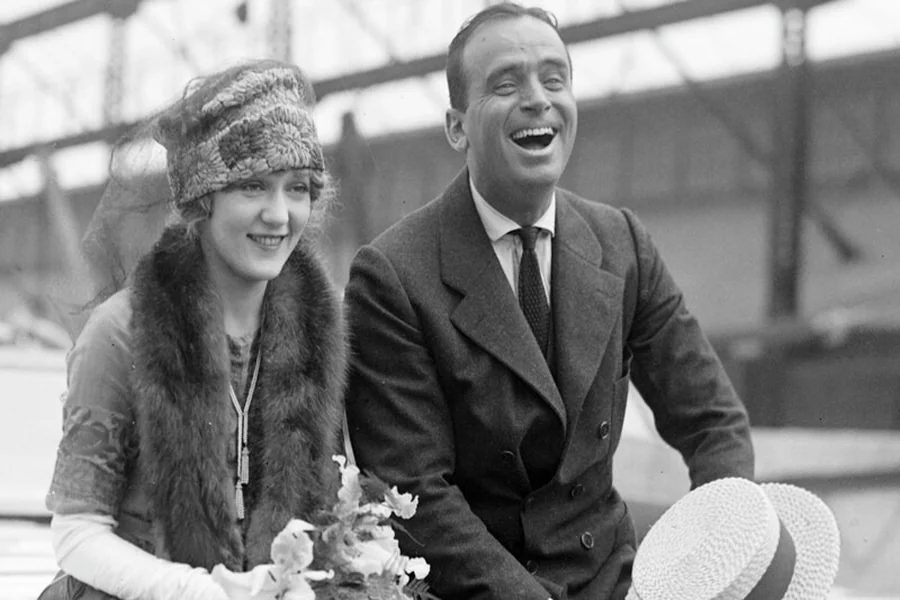
The Trend toward Contemporary Forms
As the decade moved forward 1910’s fashion became more practical. The world changed fast. Women started working more. Life on a day-to-day basis requires comfort and movement. Designers listened.
Skirts became narrower. Skirts were raised a notch higher, and it became easier to walk. Corsets relaxed and shifted to the line of working at the natural waist. Tunic tops became common. Most of the outfits were layered with lighter stuff. The silhouette of straight column became popular and a new standard.
Fashion During World War I
The war changed everything including 1910’s fashion. Dressing was not only beautiful but also useful. Women were employed in factories, farms and hospitals. Their dress was an indication of their new position.
Skirts became shorter so that they do not drag on the ground. Coats and jackets were brought to a simpler level. Many women wore uniforms. Colors grew darker. It also resulted in fabrics that were stronger and cheaper as they were required elsewhere by the finer material and silk.
Women started using sensible shoes such as laced boots. Hats became smaller. Embellishment reduced. Fashion became streamlined.
Sportswear and Denim Clothing
Daily clothing in 1910’s fashion depended on activity and class but most women wore dresses with long sleeves and soft shapes. The blouse and skirt coat was highly popular. It was comfortable and presentable.
During the war knitting was popularized and sweaters became useful. There was the introduction of tea dresses to be worn at home. There was the introduction of aprons and simple wraps in everyday life.
Most of the activities were done in suits by men. Their outfits were slender with subdued colors. Shirts had stiff collars. Numerous men were in waistcoats and neckties. The appearance was finished with heavy boots or polished shoes. Even the most basic everyday clothes were structured and shaped.
Evening Wear and Special Occasion
Evening fashion in the 1910’s fashion era kept grace and romance. Females also wore long dresses of silk lace and tulle. Layered and flowing sleeves provided movement. The commencing decoration by bead increased gradually as the decade passed by.
Most of the gowns were shaped in high waists and straight lines. There were rich colors such as emerald, blue gold and ruby. The use of gloves was still significant in official affairs. The appearance was topped with long gloves and fans.
Evening dresses were made of formal suits or tuxedo jackets worn by men. The traditional black and white color combination remained. Bow ties stiff collars and polished shoes were added to provide elegance.
Additional Accessories and Finishing Touches
Accessories carried a strong influence in 1910’s fashion. Women loved hats. The decade started with wide brimmed hats with flowers. It was finished off by smaller hats with plain trims.
Gloves were worn daily. They were refined and good manned. Purses became smaller and replaced the large totes that were used by women because they were spending more time out of the house. Jewelry was more refined. Pearl brooches and small earrings in the form of long necklaces were the fashion.
Men wore such accessories as pocket watches and gloves hats and walking sticks. Bowler hats and straw boaters were still commonplace.
Hairstyles and Beauty
Hairstyles shaped much of 1910’s fashion. The hair was done in waves or was pinned in big loose bunches, normally worn by women. The Gibson Girl remained but became gentle. Towards the end of the decade the hair styles became shorter. Most women started to have their hair cut in convenient styles.
At the beginning of the decade, there was subdued makeup. With the termination of the war women used more color on cheeks and lips that were still in soft tones. Beauty was one of the means to demonstrate a new identity after long struggle.
Men had hair cut in a pile at the top, and parted. Mustaches were usually trimmed. The grooming was also a significant status symbol.
Read More: 80’s Rock Fashion and the Style That Shaped a Generation
The Emerging of Ready to Wear Clothing
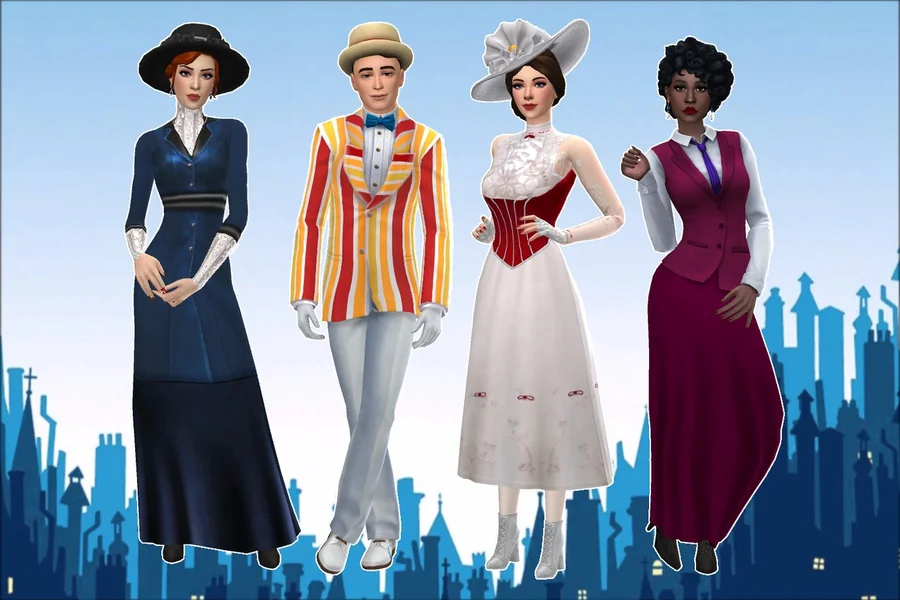
The 1910’s fashion era marked an important moment for modern clothing stores. Ready to wear clothes were made more accessible. Plantations began to make dresses, blouses, coats and suits in standard fits.
This simplified fashion purchase made it cheaper. Families in the middle classes had access to luxurious clothes without having to spend money on tailoring. Department stores were on the rise. Catalog shopping grew.
The emergence of the mass-produced fashion was one of the factors that formed the modern clothing industry.
Final Thought
The 1910’s fashion era carried elegant change and the early steps of modern style. The 10s were a decade of make-up and do. It combined romance of the ancient world and the new world development. It determined the future of dress making and created possibilities of liberty in clothing.
The 1910s might appear kindly yet they are influential. Numerous contemporary styles are a product of this period. The straightness, the smooth molds, the convenient skirts and the plain jackets all trace their origins back to the 1910s.
The decade is also significant as it has recorded an era where fashion has moved in the past to the future.
FAQs
What defined 1910’s fashion?
Soft fabrics lighter shapes long skirts and early modern silhouettes.
Why did fashion change in the 1910s?
The war and social change pushed clothing toward comfort and practicality.
Did people still wear corsets?
Yes but they became softer and more natural in shape.
What did men wear in the 1910s?
Slim suits waistcoats stiff collars polished shoes and simple hats.
Is 1910s fashion still popular today?
Yes. Many modern vintage looks use 1910s inspired designs.