2020’s Fashion and the Modern Revolution of Style

The 2020s fashion has gone rogue. It’s no longer just about appearance but about meaning. 2020’s fashion reflects a world that has faced rapid change, from social shifts to technology and sustainability. The manner of dress in our day narrates about identity, comfort and expression. This is the decade that has made the boundaries of luxury and casual clothes, gender roles, as well as reality and online life, blur.
We shall investigate why 2020 fashion turned out to be one of the most expressive and inclusive in history.
It is the Emergence of Comfort and Usefulness
The beginning of the early 2020s was marked by the global pandemic, which altered all the aspects of the way people lived, and dressed. Comfort was the new luxury suddenly. Individuals began to spend more time at home, and this gave way to loungewear, sweatpants and oversized hoodies.
Athleisure gained popularity in world wardrobes. Brands like Nike, Lululemon, and Adidas became household names, not just for athletes but for everyone. 2020’s fashion made it acceptable to wear sneakers to work meetings or sweatpants to brunch.
Even luxury designers started adapting as remote work went on. Luxury brands brought easy-going silhouettes, soft clothing, and no-frills designs. The emphasis was made on clothes that could be transferred to life outside home without any difficult moments. Modern style was based on comfort and functionality.

Sustainability and Conscious Choices
A significant shift towards sustainability was also a major undertaking of the new decade. Consumers started to pay more attention to the origin of their clothes and the manner of the way they are produced. Fast fashion was criticized because of wastage and environmental damage.
In response, 2020’s fashion embraced eco-friendly materials like organic cotton, bamboo, and recycled fabrics. Thrift shopping, upcycling, and vintage fashion were very powerful returns. Individuals began spending less but purchasing quality products that were durable.
The brands developed recycling initiatives and resorted to digital platforms to enhance transparency. Sustainable fashion turned into a way of life and no longer a niche movement. Even small businesses and luxury brands started thinking about how to make fashion accountable.
This was more than a change of societal attitudes. Fashion was no longer about trends; it became about making ethical contributions about what we would like our world to look like.
Inclusive Design and gender Fluidity
Another defining element of 2020’s fashion is inclusivity. Designers began to cross the line of gender, designing clothes that could be worn by anyone. The appearance of gender-neutral collections became a new period of freedom in fashion.
Such celebrities as Harry Styles, Lil Nas X, and Billie Eilish defied the outdated notions of what men and women should wear. They clarified the fact that style is genderless. The trend of wearing oversized blazers, skirts, pearls and nail art became an ordinary fashion to both genders.
This inclusivity was also applied to the body types. The brands grew their size collections and plus-size models became widely seen. Social media sites provided everyone with a voice that made people express their style without having to seek the permission of the fashion elite.
2020’s fashion became a celebration of individuality, proving that everyone deserves to feel seen, stylish, and confident in their skin.
The Digital Wardrobe and Technology
With technology, the way fashion is made and consumed has totally changed. A new trend is digital fashion presented in the 2020s. The emergence of virtual influencers, augmented reality and digital wardrobe became innovations in the field of style.
Individuals started purchasing artificial clothes in their online personas or social network accounts. There were 3D and virtual fashion shows and experimentation by brands. Instagram, Tik Tok, and even gaming worlds such as Roblox or Fortnite turned out to be important platforms where style could be shown.
This blending of physical and virtual fashion shows how dynamic 2020’s fashion has become. The fashion industry has been accelerated, interactive, and creative by the digital revolution. Anyone is now able to design, model or even market fashion anywhere in the world.
Sustainability was also promoted by technology. AI support and virtual samples enabled the reduction of waste and efficiency of the manufacturing process. There is still no clear divide between technology and fashion, and the definition of style in the present-day world is redefined.
Rebirth of Previous Centuries with a New look
The nostalgia wave also existed in the 2020s. Since the Y2K aesthetics, then the 90s grunge and the 70s boho, fashion has started adapting old trends with new additions. This combination of old and fresh provided people with inexhaustible opportunities to express themselves.
Chunky sneakers, crop tops and low-rise jeans were reintroduced in the early 2000s. Meanwhile, plaid shirts, leather jackets, and minimalism borrowed from the 90s continued to thrive. 2020’s fashion proved that style is cyclical, constantly reinventing itself for new generations.
Influencers and creators of Tik Tok made a significant contribution to bringing these trends back. The use of such hashtags as Y2Kfashion and Retro Style united millions of users in the idea that there is always such a chance to revive old-school style.
This mixture of retro and innovation produced something special for a decade that would pay tribute to the past and at the same time adopt the future.
Read More: 70’s Farrah Fawcett Fashion and the Iconic Style of a Golden Era
Fashion diversification and representation
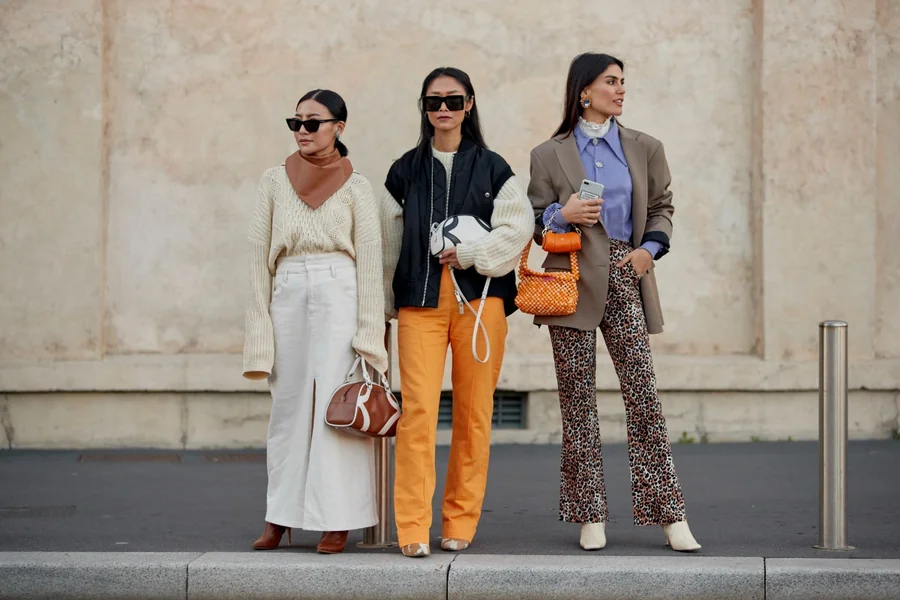
One of the most empowering changes in 2020’s fashion is the emphasis on representation. The industry started being more diverse in terms of race, culture and ability. All models were put to the head of huge campaigns.
The fashion weeks had diverse lineups where different designers and models in the world had their presence. The concept of beauty was broadened in the non-Western standards. The wild hairstyle, the antique designs, and fashion of the culture were glorified instead of being concealed.
Adaptive clothing to the disabled was also represented. Brands began to make fashionable but practical to use clothes on all bodies. This change indicates that the fashion industry has gone a long way in acknowledging the value of each person.
Final Thought
2020’s fashion is not about trends alone—it is about transformation. This decade marked a new fashion in the world where comfort, inclusiveness, and intention are treasured. People are not dressing to impress anybody rather than to make themselves known.
Since the time of sustainability to digital innovation, since the concept of gender fluidity to being body positive, this is an era that has redefined the rules of style. It glorifies individuality and creativity as never witnessed before. Fashion does not stand still: it changes with society, and the 2020s teaches us this lesson.
FAQs
What defines 2020’s fashion?
It focuses on comfort, sustainability, inclusivity, and digital innovation, blending style with purpose.
How did the pandemic influence fashion?
It made comfort a priority, leading to the rise of loungewear, athleisure, and minimalist designs.
Is sustainability important in 2020’s fashion?
Yes, eco-friendly materials and ethical production became major priorities for both brands and consumers.
What role does technology play in fashion now?
Technology introduced digital clothing, virtual shows, and AI-driven designs that reduced waste and improved creativity.
Why is inclusivity key in modern fashion?
Because the 2020s celebrate individuality and ensure that fashion represents all genders, body types, and backgrounds.