5 Ways Custom Toques Can Elevate Your Brand’s Story
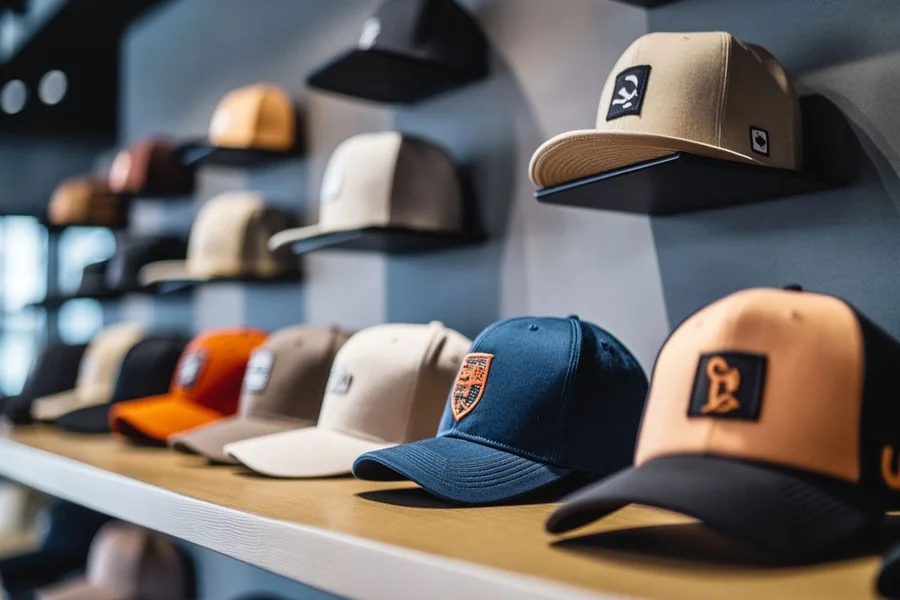
I’ve worked in and around apparel long enough to notice that some pieces quietly do more work than others. T-shirts are loud. Hoodies try to be everyone’s mate. But knit caps – call them beanies if you must, I’ll stick with the friendlier “toque” – have this strange way of slipping into people’s lives and staying there. They live in the pocket of a winter coat, on a studio hook, in the glove box that never shuts quite right. And because they’re always around, they pick up meaning. That’s why, when we talk about thoughtful brand expression, custom toques deserve more attention than they tend to get. Not as swag, not as a billboard, but as a soft carrier of identity that people reach for on autopilot. It sounds small. It isn’t.
1) Turn an everyday object into a living story
Most of the stories we remember don’t arrive as speeches. They sneak in through texture, habit, and repetition. A toque does that almost by accident. The yarn, the rib, the way the cuff sits after a few wears – these tiny, tactile cues add up to a feeling that words rarely manage. Even the cultural mythology around toques has a sort of scruffy romance to it: practical, friendly, unpretentious. If you’re crafting brand narrative, this is fertile ground. A modest palette, a label that isn’t shouty, maybe a stitch detail that nods to something you care about (craft, nature, musicianship, whatever your world is). Because the hat shows up in real moments – dog walks, early trains, damp touchlines – your story starts attaching itself to memories that actually matter to the wearer. That’s stickier than any tagline. And when someone keeps a thing, wears it often, hands it down… that’s the story doing laps all by itself.
2) Signal values without a manifesto (people notice)
We keep saying people are “value-driven” now; in reality, they’re fatigue-averse. They don’t want another long lecture. They want to touch something and feel like the brand behind it tried – tried to make it responsibly, to keep it durable, to respect the humans who made it. A well-considered knit cap can do more ethical communication than a campaign ever could, because the evidence is literally in your hands. Pay attention to fibre choice, labeling, durability in the seams, and the hand-feel that makes someone instinctively say “oh, that’s nice.” It’s the same quiet promise you get when you browse clothing that aims for longevity rather than churn: the tone is calm, the materials do the talking, and the design avoids the kind of gimmicks that age badly. You don’t need to scream sustainability if the piece wears in (not out), if the trims are thoughtful, and if replacement isn’t the default plan. Subtext becomes the message.
3) Build belonging that people actually want to wear
Uniforms can be a morale killer when they feel performative. But shared pieces that read like real clothes – things you’d wear off the clock – have the opposite effect. Teams start to feel like teams. Communities feel less abstract. I’ve seen tiny studios and scrappy field crews spark a surprising sense of pride with a simple, well-made knit. The trick is restraint: let the logo breathe; keep colours tuned to the environment where people actually live; focus on comfort first so adoption isn’t forced. In the world of branded corporate wear, headwear sits in a sweet spot – less formal than shirts, more personal than accessories. Also, one size (mostly) fits all, which avoids the awkwardness of ill-fitting tops or the expense of complex size runs. If you want the piece to act like a flag without feeling like one, keep the storytelling in the fabric and the fit, not a billboard print. People can smell coercion a mile off; they can also sense care.
4) Cross seasons, subcultures, and use-cases with one object
A good knit cap is weirdly genre-agnostic. It works on people who spend weekends in trail shoes and those who haven’t seen a hill in months. It blends into studio life, warehouse floors, school runs, chilly offices, and train platforms that funnel wind with malicious intent. That breadth matters to brand teams who don’t want to produce a dozen micro-items to cover a dozen micro-audiences. The toque is the rare piece that speaks fluently across contexts without costume changes. If you’re thinking campaign mechanics, they layer brilliantly: launch in colder months, but design a weight that isn’t so heavy it dies in shoulder seasons. Keep a base neutral and rotate limited cuff labels or seasonal colour pops for gentle refreshes without waste. Because they’re small and packable, they also travel – your emblem ends up in friends’ photos, at gigs, on weekend trips, in the bottom of bags that go everywhere. Low friction, high mileage.
5) Make the brand feel human (on contact)
When you give someone something that’s actually useful, they feel seen. Simple as that. A toque has that gift-like quality without the awkwardness of luxury merch. It’s intimate but not invasive; it touches the skin, warms you up, and carries on with the day without demanding attention. Over time the knit relaxes, the cuff finds its fold, the label edges soften – that patina is what humans read as care. If the brand’s tone has been a bit too shiny, this is the antidote. A small, warm, familiar object that behaves like a friend rather than a pitch. And if you’re choosing to make or source them, pick partners who understand that subtlety is the point; again, think about yarns that age well, finishings that don’t scratch, and trims that won’t fall off after three launders. The best compliments arrive years later, when someone says, “I still wear that old hat – you got it right.”
A few practical design notes (hard-won, not theoretical)
Keep the crown depth balanced: too shallow and people tug; too deep and it slouches into parody. Rib knit hides sins and flatters more heads than plain jersey. Label placement at the cuff edge gives you just enough room for identity without shouting; woven or leather patches beat cheap screen prints for longevity. If you’re experimenting with colour, try heathers first – they tend to read premium and forgive lint. And yes, low minimums and short runs are your friend while you dial in the spec; iterate, don’t over-commit. When you do decide to produce at scale, your dialled-in pattern will pay you back in reduced returns and stronger adoption, which is where the real “brand impression” lives – on actual heads, in actual weather, again and again.