70’s Hippie Fashion and the Spirit of Freedom and Change

It was a cultural movement rather than just a decade, in the 1970s. Music, art, and politics all came together to shape a new sense of identity. 70’s hippie fashion became one of the most powerful expressions of that change. It was concerning freedom, equality, and defiance against the rigid guidelines of the olden days.
Fashion was used by people to express their beliefs and emotions. They had colorful patterns, natural fabrics, every detail of hippie look was associated with peace and love.
Hippie fashion hidden meaning
Hippie clothing was not a fashion; it was more of a way of life. It was a desire of simplicity and closeness to nature. The movement renounced materialism and conformity to society. It was decided by people to wear handmade and secondhand clothes, to demonstrate that beauty was not based on money.
70’s hippie fashion celebrated individuality. No two people dressed alike. All the outfits were a blend of individual creativity and culture. It was not aimed at appearing flawless but to be natural.
Unity was also represented in appearance. The use of bright colors, flowing fabrics as well as natural accessories had the meaning of harmony between people and the world around them. It was style that had a message and a feeling.
The Iconic Styles of the Age
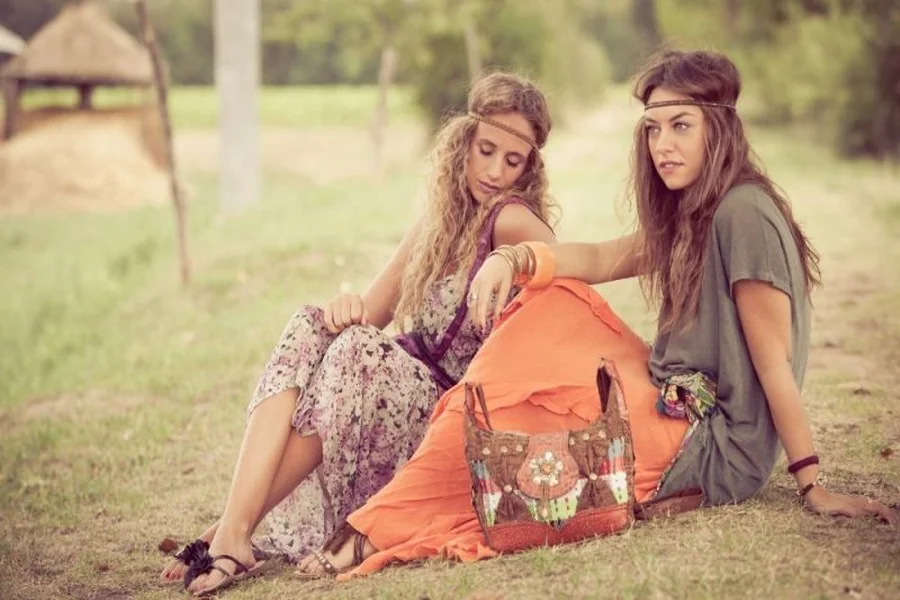
When you think of 70’s hippie fashion, a few key items instantly come to mind. The decade was characterized by bell-bottom jeans, fringe jackets, tie-dye shirts and peasant blouses. These were simply comfortable garments that could be reached in and danced in at festivals, or to lie outside in the open air.
Among women maxi dresses were a popular product. They were flowing in each stride and arrived in natural hues or flowery patterns. The gentlemen wore long and baggy shirts and vests made of suede or denim. Both genders were fond of broad hats and round sunglasses.
It was topped by hand craft jewelry of beads and shells and leather. Peace symbols or flowers were accessories worn by a large number of people indicating their beliefs. The mix of fabrics and artistic patterns assigned every outfit a personal touch as a result of the combination of the natural materials and the artistic design.
Even shoes were not an exception. Bare foot walking and sandals became a symbol of freedom. This was to maintain a connection with the earth even on a spiritual level.
The Power of Music and Culture
Music played a huge role in shaping 70’s hippie fashion. With such artists as Janis Joplin, Jimi Hendrix, and The Beatles, people started being influenced in dressing. Their concerts were fashion shows with colorful colors and some experimental styles.
The best place of hippie fashion was the historic 1969 Woodstock music festival. It established the atmosphere of the early 70s that made people combine the comfort with creativity.
The appearance was also influenced by Bohemian influences of other cultures. Wearing Indian fabrics, African prints, and Native American patterns became a part of the mainstream fashion. This was inspired around the world as the hippies thought of unity and cultural appreciation.
The trend was even taken up by Hollywood. Films and television programs started to include characters who wore the casual, free-fashionable fashion that characterized the ten-year period.
The Power of Color and Fabric
The colors of 70’s hippie fashion were as expressive as the people who wore them. Tie-dye turned out to be the most popular pattern of the decade and symbolized freedom and happiness. Each dress or shirt was individual, with flowing colors of red, blue, yellow, and green.
Earth tones were also common. Brown, beige, and olive shades were reminiscent of the hippie affection of nature. Outfits were very grounded with these colors.
There was the use of natural fabrics such as cotton, linen and hemp. They were environmentally friendly, comfortable and breathable. Others even died their own clothes at home and made their own designs which were personalized to their individuality.
Crochet tops embroidered with jeans and patchwork skirts reflected the home-made ethos of the movement. Fashion was now a form of art, a way of people trying to show their love to the earth as well as to art.
Fashion Unisex and Norms violation
One of the most revolutionary parts of 70’s hippie fashions was how it blurred gender lines. Men and women wore similar clothes, which were loose and flowing. Such a denial of traditional gender roles was symbolic of a greater social change, which is toward equality.
Men are not ashamed of wearing long hair and jewels and bright colors. Women accepted natural beauty and usually had minimal to no makeup on. We all had a common aim, which was to be non-judged.
This gave a feeling of togetherness and equality that transcended fashion. It was regarding respect of individuality. Clothes came to be identified as something that would liberate people and they could be whoever they wanted to be.
A hippie fashion of the 70s was among the earliest real forms of gender-neutral fashion. It demonstrated to the world that style was a possession of everyone.
Read More: 70’s Farrah Fawcett Fashion and the Iconic Style of a Golden Era
Persistent Influence on Contemporary Fashion
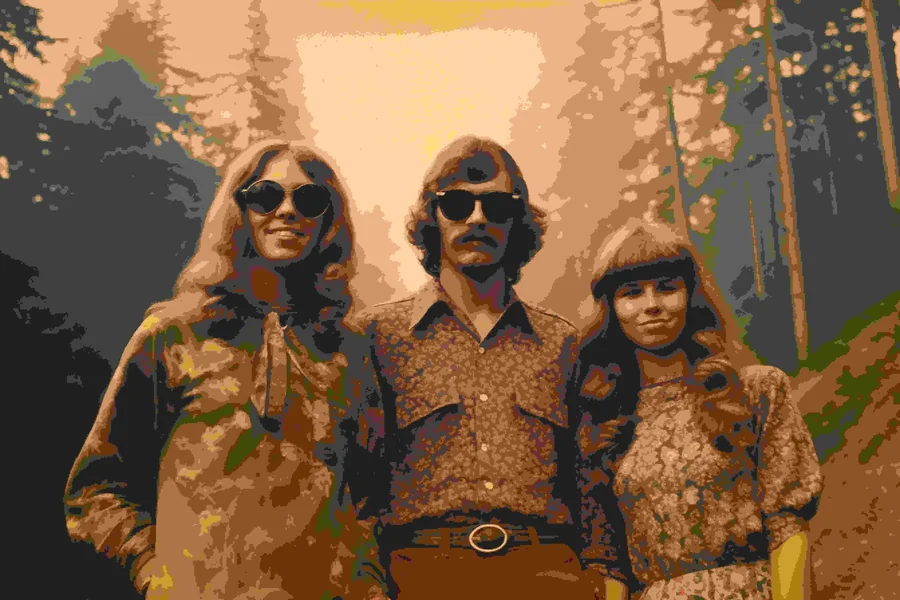
Decades later, 70’s hippie fashion continues to influence modern style. A lot of the current trends re-appropriate the natural and down-to-earth style of the older times.
Fringe jackets, high-waisted jeans and wide-leg pants still remain popular. The development of sustainable fashion is also a response to the hippie movement, which adores nature materials and environmentally conscious lifestyle.
There are music festivals such as Coachella which have brought back numerous styles of the 70s. The youth nowadays is blending old and new items to come up with a new form of boho-chic which pays tribute to the original hippies.
Many of the designers such as Gucci, Free People, and Chloé also include collections based in the 70s. Suede boots, flowing dresses and floral prints are all that keep the minds of fashion lovers around the globe going.
The enduring appeal of this style lies in its freedom. 70’s hippie fashion was never about perfection—it was about personality, comfort, and connection. The same values are used to steer fashion in the present.
Final Thought
70’s hippie fashion remains one of the most influential and meaningful movements in fashion history. It was not only clothes but also a statement of peace, individuality and harmony.
The style summed up the generational zeitgeist of a generation who dared to dream of a better world. Hippie fashion was creativity and self-expression as never seen before or since in its combination of colors, textures, and handcrafted nuances.
FAQs
What defined 70’s hippie fashion?
It was defined by flowing fabrics, earthy colors, natural materials, and a focus on individuality and freedom.
Why was tie-dye so popular in the 70s?
Tie-dye symbolized creativity, peace, and joy. It allowed people to personalize their clothes and stand out.
What fabrics were common in hippie fashion?
Natural fabrics like cotton, hemp, and linen were preferred for their comfort and eco-friendly nature.
Did men and women dress similarly in the hippie era?
Yes, both embraced unisex styles, with loose clothing and natural looks that rejected gender stereotypes.
Is hippie fashion still popular today?
Yes, many modern bohemian and festival styles draw heavy inspiration from 70’s hippie fashion.
What accessories were part of hippie fashion?
Beaded necklaces, headbands, round sunglasses, and handmade jewelry were staples of the look.
What message did hippie fashion represent?
It represented peace, love, freedom, and the belief in living in harmony with nature and each other.