Exploring the Evolution of German Dirndl in European Fashion
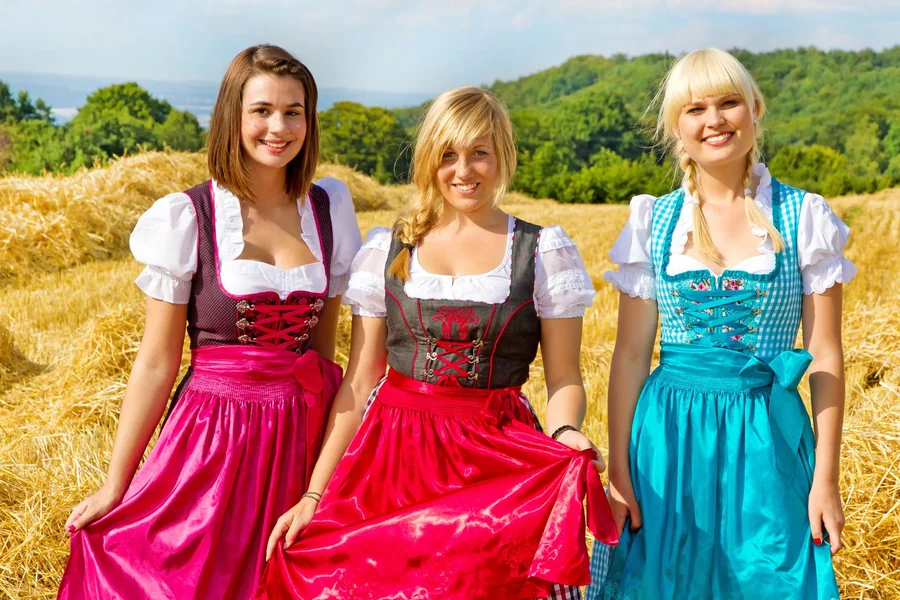
The dirndl has come a long way from just being a practical uniform for the Alpine farm work ladies to the representation of the European fashion industry. Not many people know that this amazing transformation of the Bavarian dirndl is shaped by the social norms, politics, and craftsmanship that have reinvented it into the current status of a European fashion staple.
The evolutionary history of the traditional dirndl in fashion is very compelling. There are very few pieces of clothing in the world that have been worn by an Austrian maid in the sixteenth century and a fashion model in the 21st century walking at the Milan fashion week.
Dirndl Dress and its Significance
The word dirndl comes from the term “diernen,” which in the 19th century was used to describe young female servants or maids. It was the traditional Bavarian garment worn by the farm maids in Bavaria and Austria. Today, the dirndl dress is considered the official dress code of the Oktoberfest festival, held annually in Munich, Germany. The dirndl is not just limited to the status of a festival wear; it is also considered a staple in European fashion.
The significance of the dirndl lies in its use as a traditional costume at Oktoberfest and in its versatility for any formal or casual occasion. Designer-led brands like Dirndl Online Shop, Dirndl Delights and Lederhosen store played a significant role in identifying the need for this German tracht in European fashion. Their dirndl collection features designs highlighting this evolution, from traditional long dirndls to modern mini dirndls.
Dirndl in the Fashion Industry
The dirndl is embraced in the fashion industry for its unique silhouette. The dress comprises a fitted bodice, a swishy skirt, and an apron; all these elements come together to give it an attractive, feminine look. This construct of the dress caught the eye of renowned fashion experts and the dress made its way from the farm fields to the ramp. Today the dirndl is an integral part of the modern fashion industry and is celebrated by women around the world. High fashion brands have reimagined the traditional dirndl through contemporary designs and luxury materials.
The Historical Evolution of the Dirndl
The launch of the dirndl in the fashion industry was not abrupt and it had to overcome a long way. From its humble origins as the Alpine peasant woman’s workwear to the statement piece of high end fashion brands. There are many events in between these two stages that took place to contribute to this evolution.
1600 – 1800: Identity of Working Class Women
The dress was created between the 16th and 18th centuries in the Alpine regions of Bavaria and Austria with the primary purpose of allowing functionality to the peasant women for farming and housekeeping. These early dirndls had a simple design and were made from sturdy materials like leather and durable linen to withstand the physical labor.
Different Variations Portrayed Class Difference
The difference in quality of the dirndl dress showed the social status of the wearers. Class differences began to appear in the quality of the fabrics in the dresses. The daughters of wealthier farmers would wear dresses made from finer linen, while the lower-class servant girls wore dresses made of thick, coarser materials. The embroidery on the apron, the colors worn, and the cut of the bodice would depict the region, marital status, or social status of the wearer.
1800 – 1900: Adoption of The Dirndl Dress By the Upper Class
A remarkable social transformation occurred when the upper class from urban areas started visiting the countryside and found these dresses charming. It was the first major event of associating the dress with fashion. Wealthy women would wear the dirndl dresses made out of luxury fabrics like silk and velvet, and adorn them with jewels and embellishments.
The Endorsement By the Royals
The most remarkable event in this transformation was when Prince Regent Luitpold of Bavaria wore a traditional Alpine attire in the 1870s. This made it desirable among the aristocratic circles. At this point, the adoption by the upper class raised the status of this rural wear.
1890 – 1920: Entering The International Fashion
In the early 20th century, the Wallach brothers, Julius and Moritz Wallach, remodeled the dirndl. They employed skilled seamstresses who produced elegant dresses from printed silk fabrics, and launched the remodeled version at the ball of Paris when Princess Marie-Auguste of Anhalt wore it. The dress created a lot of buzz in the Ball of Paris and, through this moment the dress made its first entry in international fashion.
1930 – 1950: The Dark Times During World War 2
During the Nazi regime, the dirndl was used as a tool to promote hyper-nationalism. Variations were made to the dress in the Nazi regime, like the dress length being shortened to support the idea of Aryan womanhood. This appropriation by the Nazis greatly diminished its popularity among European regions and the United States.
Prohibition of the Jews
The jews were forbidden to associate with the dress. Similarly, due to the Jewish background of the Wallach brothers, the dress was forcibly taken from them as part of the Anti-semitic ideology of the German regime.
1950 – 1980: Post War Revival
Post-war, the dress’s image was tainted by the Nazi association and it was generally disliked. It slowly crept back into the European mainstream fashion with the rise in tourism to the Oktoberfest. Until this time, the dress was moved from the position of regional clothing to a temporary costume worn only near the festival grounds.
Promotion by the Festival organisers
The regional beer companies and festival endorsers started marketing the dress. It was considered a staple during the festival season to get the full experience. These steps gradually revived the popularity post-war.
The 1972 Summer Olympics in Germany
The 1972 Olympics were quite significant in the revival of the dress. As the event was broadcast, the international audience was reintroduced to the dirndl, leaving behind its tainted image.
1990 – 2000 : Official Dress Code Of Oktoberfest
The full-blown renaissance of the dirndl dress occurred during this time. Young women and students proudly wore it at the Oktoberfest, showcasing their cultural roots. The dirndl became the official uniform of the festival.
2010 – Present: From Festival To Fashion Week
Many factors contributed to the emergence of the women’s dirndl dress in international fashion. The Oktoberfest global celebrations, social media, and the interest of mainstream fashion designers are the ones to be highlighted.
Huge fashion houses like Chanel, Vivienne Westwood, and Lena Hoshenk have dirndl designs in their fashion week displays.
During the 2014-2015 Chanel Métiers d’Art show in Salzburg, a dirndl walked the runway. This event demonstrated that the influence of the dirndl dress extends far beyond the grounds of Bavaria.
The likes of high-profile celebrities like Lana Del R ay and Dita Von Teese have further cemented the fact that the traditional folk dress has come a long way.
Prada’s 2019 collection incorporated the traditional look into the future of designs with its dirndl-inspired elements.
Establishment of the Dress as a Fashion Statement
There were some defining events throughout this evolutionary history that established the image of the dress in the fashion industry. Now big fashion houses incorporate the dress in their yearly collections, but this position has been achieved gradually.
Launch at the Ball of Paris: The earliest of the events when the dress gained international fame. A remodeled version crafted by the Wallach brothers was launched at the Ball of Paris, and the world started focusing on the dress as fashionable attire.
At White Horse Inn: An opera show that became a hit on Broadway and in Europe in the 1930s. A modernised cheek version of the dress was worn by the main character of the show, and the widely accepted romantic charm of the dress.
The 1972 Munich Olympics: The Munich Olympics took credit for reviving the dress as a fashionable modern garment. The sky blue dirndls worn by the hostess garnered remarkable interest.
2006 FIFA World Cup: At the World Cup fans were encouraged to wear the dirndls in the German flag colours, red, yellow and black.
Designer Reinterpretation: Modern designers have transformed the dirndl into high fashion, using unconventional materials (leather, latex). Big fashion houses like Chanel, Prada and Vivienne Westwood have established the image of the dirndl in European fashion.
Read Also: Make Cozy an Art Form With These Soft Sweater Ideas
Conclusion
The story of the dirndl, from the humble beginnings of working attire to the couture, is indeed a fascinating one. This dress traveled a long way, from being introduced as workwear, starting to gain attention as a fashionable costume, to being completely rejected and in the end revived like never before to become a symbol of European fashion.