Mastering the Art of Layering: Professional Fall and Winter Styling Techniques
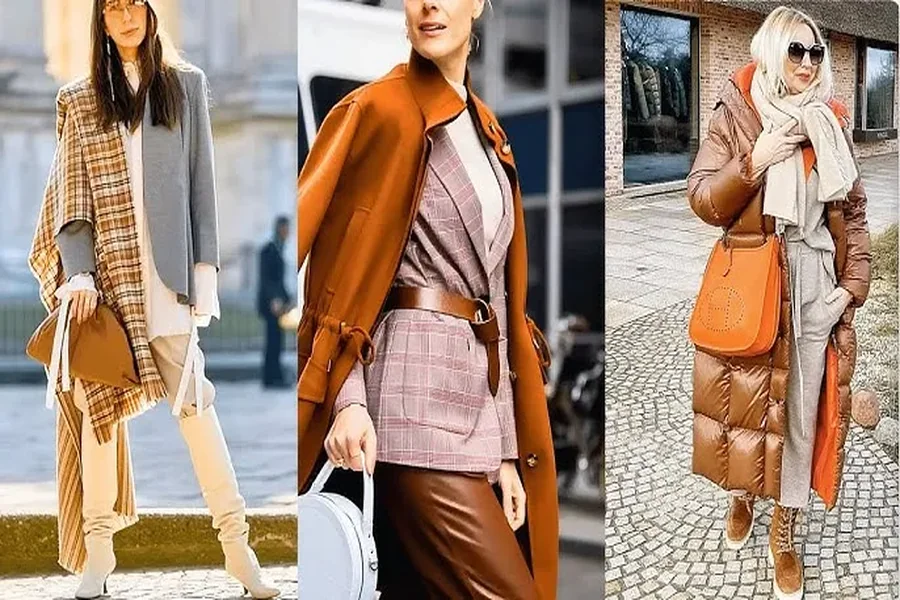
Fall and winter bring unique styling challenges that extend beyond simply staying warm. The art of layering, however, transforms seasonal dressing from a chore into an opportunity for creative expression. Whether you’re navigating unpredictable office temperatures or transitioning from boardroom meetings to evening events, mastering strategic layering while following fall 2025 trends can revolutionize your cold-weather wardrobe.
Effective layering isn’t just about piling on clothes. It’s a calculated approach that balances warmth, comfort, and style. According to fashion styling experts, the most successful layered looks combine fabric weights, textures, and silhouettes to create interest while staying practical. This approach keeps you comfortable and put-together throughout the day.
Foundation pieces and base layer essentials
Every layered outfit begins with your bottom layer. This creates the mood when it comes to all that comes after it and quality and fit are crucial. Your foundation or base layer must be just underneath your skin without being confining and it must have fabrics that are moisture-wicking to control temperatures during the day.
Blouses made of lightweight cotton, silk shells, or fine gauge knit tops are the perfect base attire when it comes to professional offices. These garments must be tailored to eliminate the need of adding any extra layer, but it must be a comfortable piece that will be worn throughout the day. Neutral color such as cream, soft gray or classic navy is versatile meaning that it can match any outer layer you wear.
When building your foundational wardrobe, investing in quality pieces pays off across multiple seasons. Essential knit basics form the backbone of layered looks. Also for bigger sized women, the best foundational knitwear comes from quality plus size sweaters with superior construction and fit, ensuring both comfort and style remain priorities regardless of size or shape.
Strategic layering for workplace versatility
In work related environments, you must take into consideration the office dress code and yet be flexible enough to work in changing temperatures. The trick is in the clothes that can be worn inside and outside without any damage to your image and change according to the weather.
The workhorse of professional layering is cardigans and blazers. An oversize cardigan can be immediately used to enhance a basic base layer and help to keep the person warm. Structured blazers provide all the sophistication and at the same time, provide a practical cover. And most important of all you can convert your warmth and formality, by removing them, to suit yourself.
Understanding fabric combinations prevents the bulk that can sabotage even the most well-intentioned layered look. Smooth fabrics like silk or fine cotton work beautifully under textured pieces like wool or cashmere. The contrast in textures also adds visual depth. Much like the principles outlined in our guide to styling linen pants for professional settings, successful workplace layering prioritizes clean lines and thoughtful proportions that maintain a polished silhouette.
Outerwear selection and coordination techniques
The outermost layer is what shields you against the elements as well as completes your entire appearance. To choose an outerwear that suits and does not overpower your layers, you have to learn about proportion, color coordination and the way structured and flowing body structures interact.
Cold-weather dressing has always been based on wool coats, and they are the best choice, as they can be worn in the same way as before, and the coats are always in fashion. A well-fitted coat is structured, therefore giving an added shape to layered outfits giving a sleek figure despite the many layers that are being worn beneath. To be as versatile as possible, select coats in a classic color such as charcoal, navy or camel that will fit with your already existing wardrobe.
When considering lighter outer layers for milder days or indoor wear, pay attention to sleeve lengths and overall proportions. A three-quarter sleeve jacket allows glimpses of beautiful blouse or sweater details while maintaining professional coverage. This is especially important when building comprehensive seasonal collections, as explored in our detailed analysis of essential winter wardrobe pieces.
Color coordination and texture mixing
Layering does not only have functionality but also visual harmony is also a factor. Colors coordination brings unity among several items and careful texture combination provides classy depth to your look. The most sophisticated, overlapping styles seem to be easy, yet in fact show the thought of how the various components interrelate.
Always sophisticated is monochromatic layering. Use different tones of the same color family so as to create a visual continuity of base to outer layers in order to stretch your silhouette but to leave slight variations in texture that offer interest. The deeper jewel colors such as emerald, sapphire or burgundy are especially effective in the professional environment, as they are rich but not too forthright.
Texture mixing requires a more adventurous approach but yields stunning results when executed properly. According to Harper’s Bazaar styling experts, pairing smooth silk with chunky knits, or combining matte wool with subtle sheen can elevate your entire ensemble. The key lies in balancing proportions. If one-layer features significant texture, keep others smooth to avoid competing elements
Learning to layer clothes will make dressing in cold weather not only less a seasonal problem but also a means of expressing who you are. With the help of investing in the basics of your wardrobe, smart workplace dressing, considerate choices in outerwear, and coordinated colors and textures, you will have created a signature style that will keep you warm even during the chilliest seasons. It is worth remembering that even the most successful layered looks seem casual yet show the keen attention to the proportion, functionality, and personal style preferences.