Why Sapphires Are the Most Underrated Power Gemstone
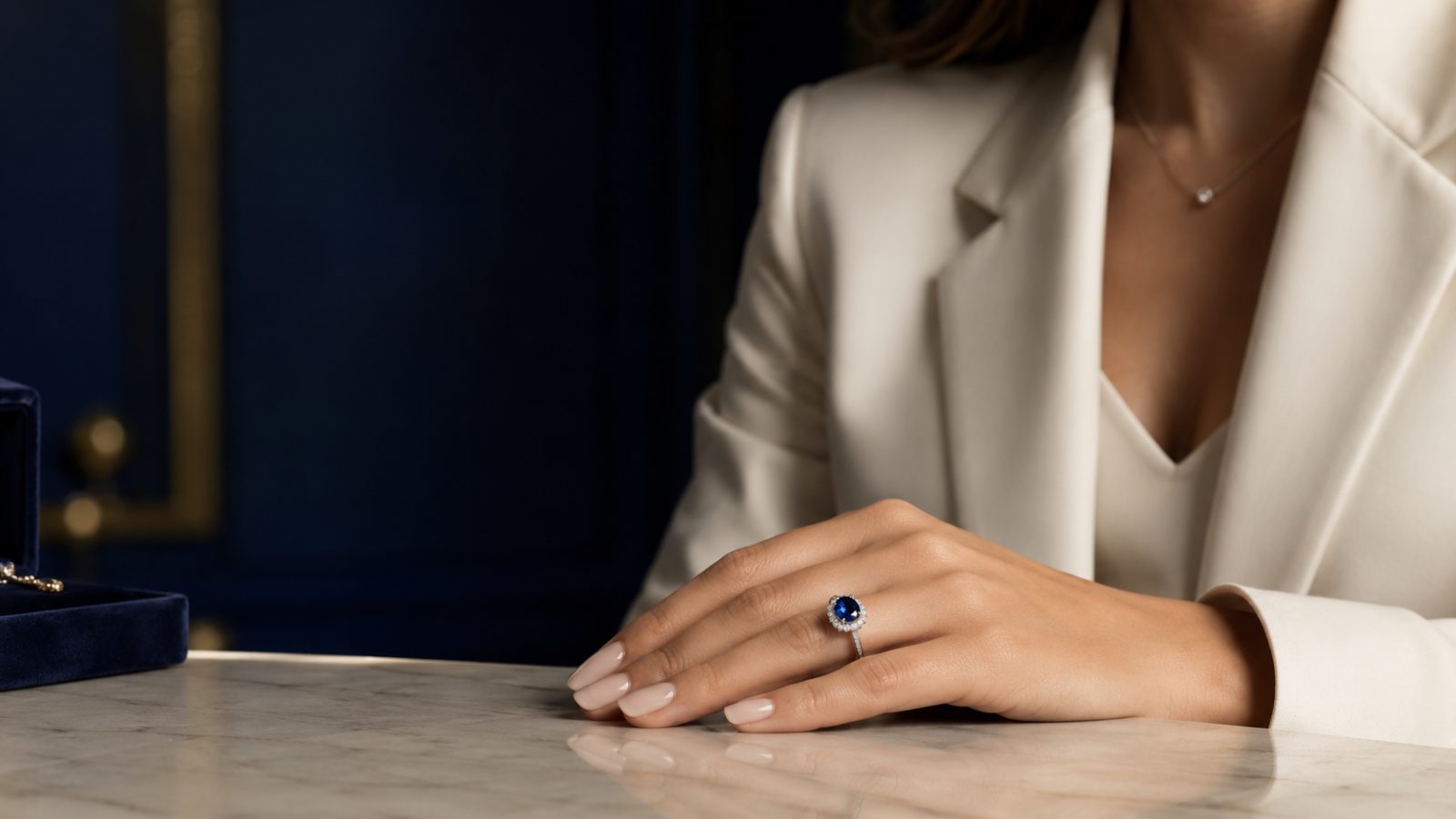
Ask someone to picture a precious stone, and they will almost always describe a diamond. Yet for most of recorded history, the gem that signaled wisdom, loyalty, and status was the sapphire. That long association is why blue sapphire jewelry still reads as quietly powerful, even next to a diamond.
The word “power” here has nothing to do with crystals or cures. It is about presence. A deep blue sapphire carries centuries of meaning and a color diamonds simply cannot offer, which gives the wearer a different kind of confidence.
Sapphires are also more practical than their reputation suggests. Because they are hard enough for daily wear and available in a wide range of colors, they belong in far more jewelry boxes than they currently occupy. Seeing them in person, at a shop like this San Francisco fine jewelry showroom, is usually what changes people’s minds.
Built to be worn, not stored
The biggest myth about colored gemstones is that they are too delicate for everyday life. Sapphire proves the opposite.
Sapphire is a variety of the mineral corundum, and it sits at 9 on the Mohs hardness scale. Only diamond, at 10, is harder among common gems. That toughness means a sapphire ring can handle daily wear for decades without the anxiety some softer stones require.
For a piece you plan to wear constantly- an engagement ring, a signature cocktail ring, or everyday studs- that durability matters more than almost anything else.
A stone with a long history of meaning
Sapphire’s status is not a modern marketing invention. Ancient cultures linked the blue stone to the heavens, to truth, and to protection, and royalty wore it for centuries as a sign of wisdom and constancy.
That heritage still shapes taste today. The blue sapphire and diamond ring made famous by Princess Diana, and later worn by the Princess of Wales, remains one of the most recognized pieces of jewelry in the world, and it continues to drive demand for sapphire engagement rings.
Choosing a sapphire, then, is a way to step into a long tradition rather than follow a passing trend.
The colors, and what causes them
Most people only picture blue, but sapphire spans a whole spectrum. All of these are the same mineral, colored by different trace elements.
| Color | What creates it | The mood it sends |
| Blue | Titanium and iron | Classic, authoritative, timeless |
| Yellow | Iron | Warm, sunny, modern |
| Pink | Chromium | Romantic, soft, distinctive |
| Padparadscha | A rare pink-orange blend | Collectible, unusual, prized |
Blue remains the anchor of the family, but yellow and pink sapphires offer a more personal choice for anyone who wants color without leaving the sapphire tradition.
Sapphire vs diamond: a fair comparison
Sapphires are not a budget stand-in for diamonds. They are a different choice with real advantages and a few trade-offs.
| Factor | Sapphire | Diamond |
| Hardness (Mohs) | 9 | 10 |
| Color | Rich, from blue to pink | Prized for being colorless |
| Everyday durability | Excellent | Excellent |
| Distinctiveness | High, color sets it apart | Classic and expected |
The honest summary is simple. If you want maximum brightness and tradition, a diamond delivers. If you want color, history, and something less common, sapphire wins.
How to buy a sapphire worth keeping
A few checks separate a stone you will treasure from one you will quietly replace.
- Color first: look for even, saturated color that is neither too dark nor washed out. This drives value more than size.
- Cut for color: oval and cushion cuts show off color well, while round brilliants add sparkle.
- Clarity by eye: minor inclusions are normal in sapphire, so aim for a stone that looks clean without magnification.
- Ask about treatment: most sapphires on the market are heat-treated to improve color, which is standard and accepted. A reputable seller will tell you plainly whether a stone is treated or untreated.
If a seller cannot or will not answer the treatment question directly, treat that as your answer and move on.
Styling sapphires in real life
Sapphire is easy to wear once you stop saving it only for formal occasions.
- Pair blue sapphire with white metals to sharpen the contrast and cool the tone.
- Set yellow sapphire in warm gold to amplify its glow.
- Mix sapphire and diamond, such as a halo or alternating tennis bracelet, for color and sparkle together.
- Start small with studs or a pendant if you are new to colored stones.
Worn this way, a sapphire stops being a special-occasion piece and becomes part of a daily signature.
Sapphire rewards anyone willing to look past the default diamond, and a knowledgeable family jeweler such as Edward’s Jewelry & Imports in San Francisco can show you how color, cut, and durability come together in person.