Gen Z Fashion: How the Internet Generation Is Rewriting Style

Generation Z, usually defined as people born from the late 1990s to the early 2010s, is the first generation to grow up with smartphones and social media from childhood. That shows in how they dress. Style is discovered on TikTok and Instagram, trends move quickly, references come from every decade at once, and personal identity often matters more than following a single look. The result can seem chaotic from the outside, but a few clear patterns run through it.

Aesthetics instead of trends
Rather than one dominant trend per season, Gen Z style tends to organize itself into named “aesthetics,” often with the suffix “-core.” Each is a mood board of clothes, colors, music and settings. A few that have been widely discussed:
- Cottagecore: romantic, rural and handmade, with prairie dresses, puff sleeves, gingham, knitted cardigans and floral prints. It became especially popular during the pandemic lockdowns of 2020.
- Y2K: a revival of late-1990s and early-2000s style, with low-rise jeans, baby tees, butterfly clips, tinted sunglasses, small shoulder bags and metallic fabrics.
- Dark academia: tweed blazers, plaid skirts, turtlenecks, loafers and a moody, scholarly palette.
- Gorpcore: technical outdoor clothing, such as fleeces, shell jackets, trail shoes and hiking sandals, worn in the city.
- Balletcore: ballet flats, wrap cardigans, leg warmers and soft pinks.
- Clean girl: minimal makeup, slicked-back buns, gold hoops and simple basics.
People rarely stick to one. Many mix aesthetics freely or move between them depending on mood, which is part of what makes the generation’s style feel fluid.
The speed of micro-trends
Social media has shortened the life of trends dramatically. A specific item, such as a particular skirt, bag or color, can go viral, sell out and fade within months. These fast-moving “micro-trends” have made it harder for anyone to define what is “in” for a whole season.
They have also created a tension. Many young people are vocal about sustainability, yet micro-trends feed demand for cheap, quickly produced clothing from ultra-fast-fashion retailers. The debate about overconsumption, including “haul” videos showing large purchases, is itself a regular topic on the same platforms that drive the trends.
Thrifting, resale and upcycling
Secondhand shopping has lost much of its old stigma. Thrift stores, vintage shops and resale apps such as Depop, Vinted and Poshmark are popular with younger shoppers, for reasons that include cost, sustainability and the appeal of finding something no one else has. Vintage also fits naturally with the generation’s love of past decades.
Upcycling and DIY are part of the same impulse: cropping, re-dyeing, patching and embroidering old clothes, or crocheting bags and tops. Many of these projects are shared as tutorials, which spreads the skills as well as the looks.
Gender-fluid dressing
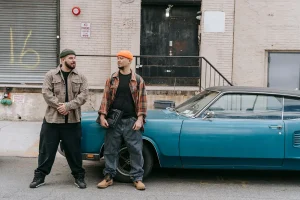
Many in this generation treat clothing as less bound to gender than earlier generations did. Oversized fits, baggy jeans, cargo trousers and hoodies are worn by everyone, and more men and nonbinary people are experimenting with nail polish, pearls, skirts and brighter colors. Several retailers now offer unisex or gender-neutral collections, and public figures have helped normalize the idea that style need not follow traditional lines.
Comfort and relaxed silhouettes
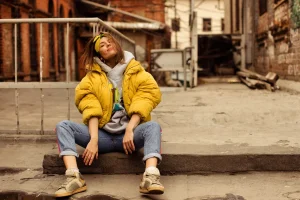
Loose, comfortable shapes have been a steady thread: wide-leg and baggy jeans instead of skinny ones, oversized shirts and blazers, sweatpants and sneakers. The shift away from skinny jeans, often framed online as a generational disagreement, reflects a broader preference for relaxed fits and for clothes that can move from home to class to going out.
Nostalgia as a resource
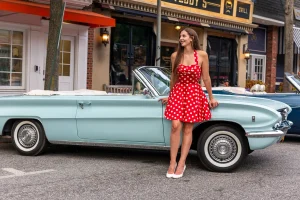
Gen Z borrows heavily from decades its members did not experience firsthand: 1970s flares and crochet, 1990s grunge and minimalism, and 2000s low-rise and velour. Archive photos, old films and music videos are easy to find online, so past styles become a library to pick from rather than a sequence of eras. A single outfit might combine a vintage band T-shirt, a pleated skirt and chunky sneakers.
Personal style as self-expression
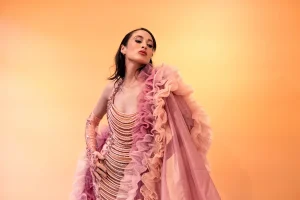
For many young people, clothing is a way of communicating identity, interests and community. Dressing loudly, with bright color, clashing prints or dramatic accessories, is sometimes described as “dopamine dressing,” and it sits comfortably alongside quieter, minimalist looks. Social media also means outfits are shared and seen far beyond a school or neighborhood, which encourages experimentation and, at times, pressure to keep producing new looks.
What older generations can take from it
- Buy secondhand first. Vintage and resale are often the best places for well-made basics.
- Mix references. Combining pieces from different eras makes outfits feel personal rather than copied.
- Choose comfort without apology. Relaxed fits can look deliberate when proportions are balanced.
- Ignore the rulebook. Very few “rules” about who can wear what have survived this generation.
- Be wary of micro-trends. Before buying the viral item, ask whether you will still want it next year.
Gen Z fashion is shaped by contradictions: nostalgic and futuristic, sustainability-minded and trend-hungry, individual and highly networked. Its lasting influence is likely to be the idea that style is a personal collage rather than a set of instructions handed down each season.