Copper Bracelet Benefits: Why Many People Choose Magnetic Bracelets
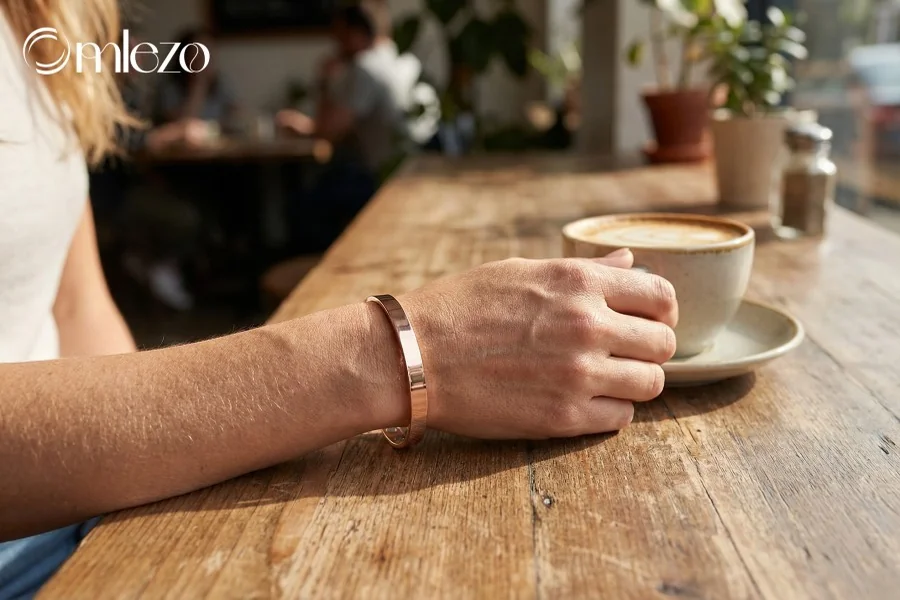
Hand discomfort rarely shows up all at once.
For most people, it creeps in quietly. A little stiffness in the morning. A dull ache after typing. Swelling in the wrist that comes and goes. It is not serious enough to see a doctor, but it is enough to interrupt daily life.
That is usually when people start searching for the benefits of copper bracelet options. Not because copper jewelry is trendy, but because they want a natural, wearable way to support comfort, balance, and long-term well being—without immediately turning to medication.
Copper bracelets have been worn for centuries. But today, more people are asking a deeper question: Do they actually help, and if so, why are magnetic bracelets becoming the preferred choice?
Why Copper Bracelets Became a Wellness Staple
Copper is not just another metal. It has been part of human health traditions since ancient times, and copper jewelry has long been associated with healing properties, circulation, and balance within the body.
Historically, people believed copper bracelets could:
- Support blood flow in the wrist
- Ease stiffness and swelling in joints
- Promote balance and energy throughout the body
- Protect against discomfort tied to daily activity
Even today, copper is known to play a role in red blood cells formation and overall body function. While wearing copper jewelry does not treat disease or replace medical treatments, it explains why so many people still associate copper with health benefits.
For individuals dealing with arthritis, joint pain, or early symptoms of rheumatoid arthritis and osteoarthritis, copper bracelets became one of the first “natural” options they tried. The idea of wearing something simple, lightweight, and stylish while potentially supporting pain relief was appealing.

What People Expect From Wearing Copper Bracelets
Most people do not wear copper bracelets expecting miracles. They wear them because they want small, daily improvements—less stiffness, easier movement, and better comfort during routine tasks.
Users commonly associate wearing copper bracelets with:
- Reduced arthritis pain and swelling in the wrist
- Mild pain relief during repetitive hand movement
- A feeling of balance and improved circulation
- General wellness and support for everyday life
Some also believe copper releases tiny particles into the skin, allowing the body to absorb small amounts over time. Others point to copper-rich foods in the diet as another way to support the body naturally. Research into these effects remains mixed, and many studies note that results vary between participants. For some, it helps. For others, it becomes a different story.
This is where the conversation often shifts.
Why Many People Look Beyond Traditional Copper Jewelry
For a lot of users, standard copper bracelets feel helpful—but incomplete.
They may notice subtle changes, but arthritis symptoms, stiffness, or swelling still return after long hours of work. This leads many people to explore magnetic bracelets as the next step.
Magnet therapy is based on the idea that magnets may influence blood flow, circulation, and nerve signaling in certain individuals. While research continues and the placebo effect is often discussed, many wearers report that magnetic bracelets feel more supportive than copper jewelry alone.
That is why more people now search for magnetic bracelet solutions rather than traditional copper bracelets. They are not abandoning copper—they are upgrading it.
Where Magnetic Copper Bracelets Change the Conversation
Magnetic copper bracelets combine two elements people already trust: copper and magnets. The goal is not decoration. It is function.
Copper provides constant skin contact and is associated with healing properties and general wellness. Magnets, used in magnet therapy, are believed to support circulation and help with relieving pain in certain users. Together, they create a bracelet designed not just to look good, but to work with the body.
This is also where quality becomes the deciding factor.
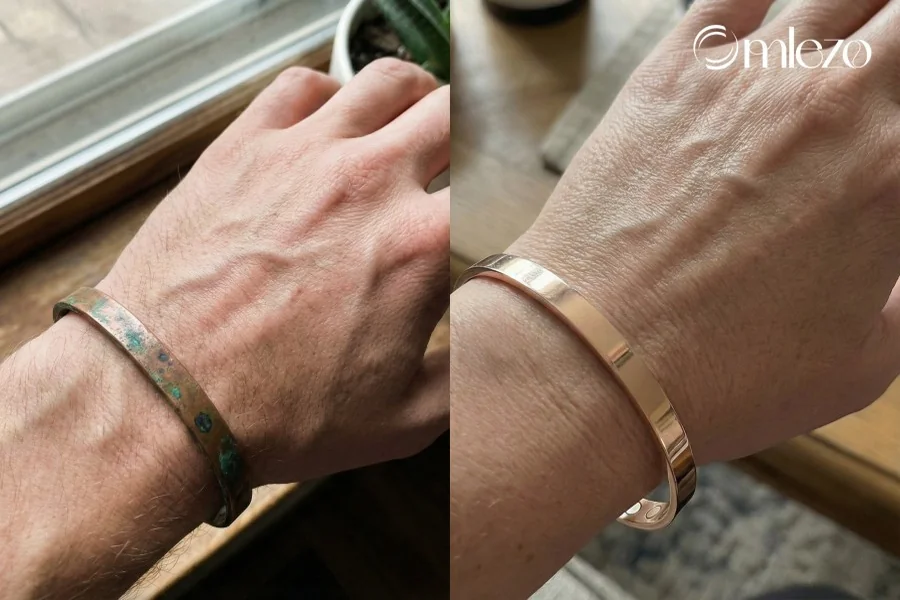
Low-grade copper jewelry often oxidizes, leaves green marks on the skin, or loses its finish quickly. That is why wellness-focused brands like Omlezo approach magnetic copper bracelets differently. Their designs use vacuum plating over copper to protect the surface, prevent oxidation, and avoid skin discoloration—while still preserving the natural properties people look for when wearing copper.
Instead of making exaggerated health claims, Omlezo focuses on thoughtful construction, comfort, and long-term wear. For many users, that difference is exactly what determines whether a bracelet becomes part of daily life or ends up forgotten in a drawer.
Copper, Pain, and What Really Matters
It is important to stay honest.
Copper bracelets—magnetic or not—are not a medical treatment. They do not cure arthritis, replace supplements, or substitute professional care. But they are widely used as a complementary wellness tool. For people dealing with chronic stiffness, joint pain, or early rheumatoid arthritis symptoms, even small improvements in comfort can have a meaningful impact on quality of life.
That is why interest in magnetic bracelets continues to grow. Not because they promise a cure—but because they fit into real life.
Copper Bracelets vs. Magnetic Bracelets: What’s the Real Difference?
Once people understand the basics of copper jewelry, the next question is almost automatic:
If copper bracelets already offer benefits, why are magnetic bracelets becoming more popular?
The difference is not cosmetic—it is functional.
Traditional copper bracelets rely on constant skin contact and the belief that copper’s healing properties may help reduce stiffness, swelling, and discomfort in the wrist. Many users report some level of relief, especially when wearing copper bracelets consistently.
Magnetic bracelets, however, introduce another layer. Magnet therapy is based on the idea that magnets may influence circulation, blood flow, and nerve signals in certain areas of the body. While research continues and results vary, many people dealing with arthritis pain, joint pain, and inflammation say magnetic bracelets feel more supportive than copper jewelry alone.
This is why so many people who start with copper eventually move to magnetic copper bracelets—not because copper stops working, but because they are searching for a more complete solution.
Read More: 6 Jewelry Metals That Are Suitable For Casual Wear
What Research Says About Pain Relief and Placebo
It is important to address the elephant in the room: Is this just placebo effect?
Some studies do suggest that the placebo effect plays a role in how people experience pain relief. Others show mixed results when comparing magnetic therapy to non-magnetic jewelry. At the same time, many patients with arthritis, including those with rheumatoid arthritis and osteoarthritis, report meaningful differences in stiffness, swelling, and daily comfort when wearing magnetic bracelets.
So what is the takeaway?
- Magnetic bracelets are not a medical treatment.
- They do not replace doctors, treatments, or prescribed supplements.
- But for many people, they offer complementary support that fits into real life.
For someone dealing with wrist pain, reduced mobility, or chronic stiffness, even small improvements in relief can change how their day feels. That is why so many continue wearing magnetic copper bracelets even after trying other wellness tools.
Why Material Quality Matters More Than Most People Realize
One of the biggest reasons people abandon copper jewelry is not because “it didn’t work,” but because of quality issues.
Low-grade copper bracelets often:
- Oxidize quickly and turn the skin green
- Contain mixed metal instead of true copper
- Cause irritation after extended wear
- Lose their finish and visual appeal
That is where design becomes as important as theory.
Brands like Omlezo approach magnetic copper bracelets as long-term wellness jewelry, not disposable accessories. Their bracelets are vacuum plated over copper, which helps prevent oxidation and skin discoloration while maintaining the benefits people seek from wearing copper. This also protects the bracelet from wear caused by daily clothing contact, sweat, and moisture.
In short: if someone tries a poorly made bracelet, their experience with copper or magnetic therapy is likely to be disappointing—no matter the theory behind it.
Who Tends to Benefit Most From Magnetic Copper Bracelets?
While everyone’s body responds differently, long-term users tend to fall into similar groups:
- People with arthritis symptoms, especially wrist stiffness and swelling
- Individuals with repetitive hand movement from work or hobbies
- Those looking for natural, wearable pain relief without medication
- Users interested in wellness and balance rather than quick fixes
Many wearers also appreciate that magnetic copper bracelets require no routine, no supplements, and no behavioral changes. You simply wear them and let them integrate into daily life.
That simplicity is why so many people choose magnetic bracelets as a practical wellness solution rather than a treatment they have to “remember” to use.
Copper Jewelry Is Not a Cure—And That’s Exactly Why It Works for Some
It is easy to dismiss copper jewelry because it does not promise dramatic results. But that is also why many people trust it.
Magnetic copper bracelets are not designed to treat cardiovascular disease, eliminate arthritis, or replace medical care. They are meant to offer subtle, steady support—helping reduce discomfort, improve circulation, and make daily movement easier for certain users.
For many, that is enough.
Well being is rarely about one dramatic change. It is about small adjustments that improve how life feels over time.
Making a Smart Choice: What to Look for Before You Buy
If you are considering magnetic copper bracelets, experienced users usually recommend focusing on three things:
- Material – Look for real copper, not copper-colored metal.
- Design – Magnet placement should be intentional, not decorative.
- Quality – Finishing matters. Vacuum plating, like what Omlezo uses, prevents oxidation and skin staining while protecting long-term wear.
This is what separates a bracelet you try once from one you actually keep wearing.
Alt: Silver Omlezo magnetic copper bracelet displayed on a marble surface
Final Thoughts: Why Many People Choose Magnetic Bracelets
So, what are the true benefits of copper bracelet designs—and why do so many people ultimately choose magnetic bracelets?
Because they offer something rare in wellness:
a low-risk, wearable, everyday form of support.
For people managing arthritis pain, stiffness, or wrist discomfort, magnetic copper bracelets are not a cure—but they are often a meaningful part of a broader solution. When made with care, quality, and thoughtful design, they become something you do not have to think about. You simply wear them, live your life, and let the small differences add up.
And sometimes, that is exactly what real relief looks like.