How Vibroacoustic Therapy Beds Work For Relaxation
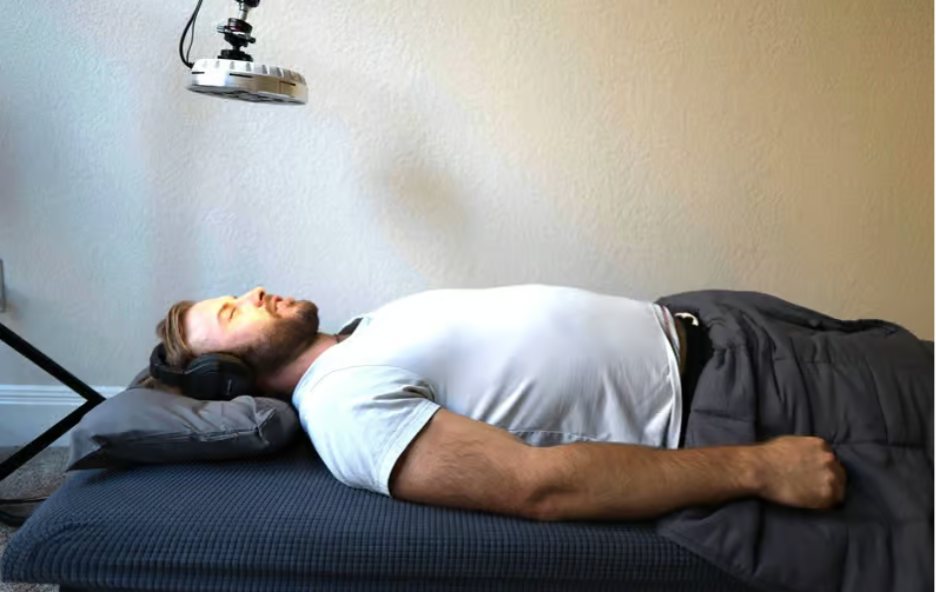
Stress does not stay in the mind alone. It appears in constricted shoulders, limited breathing, and an exhausted body even at nighttime. Most people attempt to rectify this through rest, music, or brief breaks, but the nervous system, for the most part, remains in an “alert” state.
Vibroacoustic therapy beds have a different approach to relaxation. Instead of relying on passive rest, they use low-frequency resonance that transforms into vibrations throughout the body. This, in turn, brings about a sensory transformation and allows a more natural passage away from tension within the system.
Still, many people are unfamiliar with how these beds actually work or why vibration and sound can have such a noticeable effect on relaxation. Understanding the science behind vibroacoustic therapy can make it easier to decide whether it’s the right wellness approach for your needs.
So, keep reading to explore how the vibroacoustic therapy bed functions, what happens in the body during a session, and the key features that influence the overall experience.
1. Low Frequency Sound to Body Vibration
A vibroacoustic therapy bed is a bed that gently vibrates in response to low-frequency sound, thereby stimulating the body’s response. The built-in transducers embedded into the bed surface transmit low-frequency sound in the range of about 20–120 Hz. These are the working elements, which translate the electrical impulse into mechanical vibration throughout the frame.
When a person lies down, the vibration moves through muscles, soft tissue, and joints in a continuous and even pattern. As a result, music is no longer experienced only through hearing but also through touch, engaging the entire body at once. This is what creates the defining full-body immersion effect of vibroacoustic systems and separates them from localized audio or massage-based stimulation.
Because the overall experience depends heavily on how these systems are designed and configured, it helps to understand the role of factors such as transducer placement, vibration quality, and device structure. One informative source is a recent Outliyr blog on the vibroacoustic therapy bed, which explains how the full body vibration systems are configured and how they compare to smaller recovery devices, all the way from design to functional quality and experience.
2. Transducer System and Energy Delivery
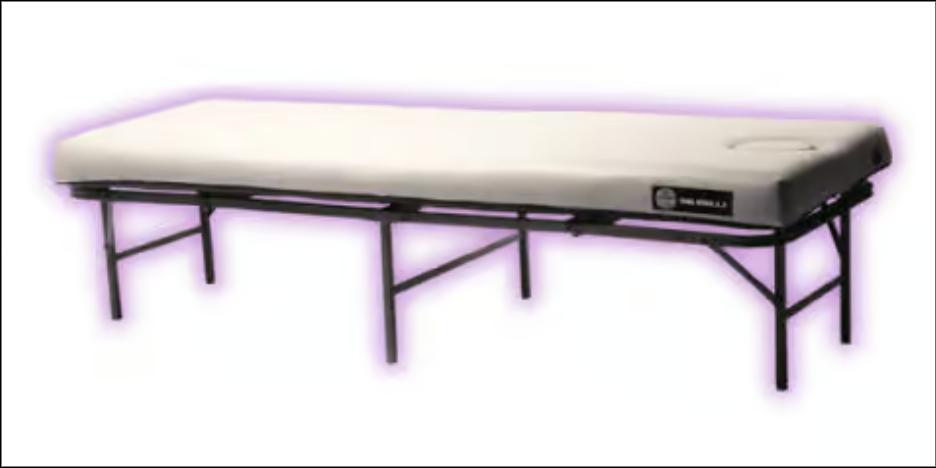
The key component and operating force of all vibroacoustic therapy beds is the transducer, which is placed inside every bed. These elements convert electric power into mechanical vibration and then route it into the human body through the bed surface. As a result, these transducers play a major role in determining the quality of the entire experience.
In more advanced systems, several transducers are placed along various parts of the body, including the back, legs, and upper body. This design ensures that the vibration is evenly distributed, thereby preventing overstimulation in certain areas and under stimulation in others. The goal is to achieve a uniform field of vibration across the entire body and not just a localized vibration.
When both systems are correctly balanced, the effect may be a gentle, subtle tremor in the background or a dramatic full-body feeling, depending on the settings. The total relaxation emotional feeling depends on this balance.
3. Nervous System Shift During Exposure
Sensory receptors respond to rhythmic stimulation once the vibration is introduced into the body, as the skin and deeper tissues begin to respond. These mechanoreceptors are constantly transmitting messages through neurons, which may, over time, affect muscle tone and the body's overall reaction to stress.
As exposure continues, the body starts to interpret the vibration as safe and non-threatening. This helps to decrease muscle tension and also helps soften tight areas more naturally. As a result, the nervous system synchronizes with the regular outside rhythm, and breathing slows and levels.
Vibroacoustic systems operate on a similar principle through sound-driven vibration. This helps explain why many users describe a sensation of heaviness or sinking as the body shifts into a calmer, less reactive state.
4. Device Structure and Experience Quality

The sensation of a vibroacoustic system varies from one to the other, and most of that variation has to do with the construction of the system. Full-body vibroacoustic beds provide the most complete experience because vibration spreads across a wide surface, thereby engaging the entire body rather than isolated areas.
In more advanced models, it is common for transducers to be incorporated into the built-in speakers, so sounds and vibrations are experienced in tandem. The combination of these creates both an auditory stimulus and a tactile stimulus simultaneously. Smaller devices, such as cushions or chairs, only target parts of the body, and of course, this can only be as immersive as the source of relaxation allows.
A higher-end system can be programmed for various ranges, and then sessions can be designed for deeper relaxation states, sleep, or stress reduction. Simple systems typically have preprogrammed options, which minimize personalization and flexibility.
5. Relaxation Outcomes and Use Patterns
Vibroacoustic therapy beds are designed for relaxation that develops gradually through repeated sessions rather than producing an immediate, dramatic shift. The body responds more reliably when exposure is consistent, as rhythmic vibration allows the nervous system time to adapt to a steady sensory input pattern.
With regular use, people often notice a slow reduction in physical tension. Muscles feel less guarded, breathing becomes more natural, and it becomes easier to settle into a relaxed or restful state. These changes are commonly linked to the body adjusting over time to repeated low-frequency stimulation.
In practice, shorter and more frequent sessions tend to be more effective than long, irregular ones. The nervous system responds more to repetition and rhythm than intensity, and a quiet environment enhances the effect by allowing vibration to become the primary sensory focus. Research suggests vibroacoustic sessions typically last around 20–45 minutes, with repeated use supporting cumulative relaxation effects.
Vibroacoustic Therapy Beds for Relaxation
Vibroacoustic therapy beds work by converting low-frequency sound into physical vibration that interacts directly with the body’s sensory system. This process influences muscle tone, breathing patterns, and overall nervous system activity in a structured and repeatable way.
The effectiveness depends heavily on device quality, frequency control, and consistent use. When these factors are aligned, the experience becomes more than passive relaxation. It becomes a physical reset process for accumulated tension.
For practical use, shorter and regular sessions in a quiet setting are often enough to begin noticing changes in how the body responds to stress.