What Are SONiC Switches And Why Are They Important?
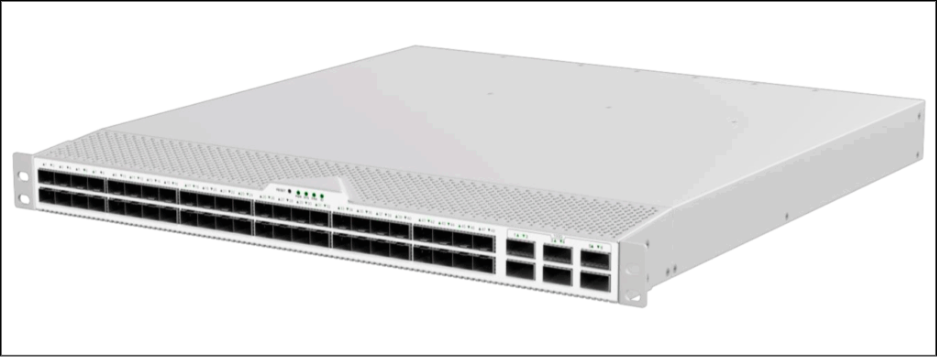
Modern networks are under constant pressure. The advent of cloud computing, AI workloads, and real-time applications has ushered in a surge in traffic volumes. Meanwhile, conventional networks struggle to keep up with modern workload demands because they are tied to specific hardware and a stack of proprietary software.
This obviously presents a challenge to infrastructure teams. When new network policies and configurations have to be added, they become costly, take longer, and are not that flexible. As a result, organizations are actively looking for more open and adaptable networking models.
SONiC switches have emerged as one of the strongest alternatives to traditional switch operating systems. They are designed to be flexible, scalable, and cloud-ready.
Do you want to know more about SONiC switches? Keep reading.
What Are SONiC Switches?
SONiC switches are network switches that run SONiC (Software for Open Networking in the Cloud), an open-source network operating system originally developed for hyperscale data centers.
SONiC is built on top of the widely used Linux OS instead of being tied to a vendor-specific OS, and, through an abstraction layer known as an SAI (Switch Abstraction Interface), can be deployed across a variety of hardware platforms.
This separation is important. It implies that network-control software is no longer tied to any one switch manufacturer. In other words, the same SONiC system can run on different hardware models if they support the required ASIC interfaces.
In practical terms, a SONiC switch is built from three main layers:
- Hardware layer: The physical switch and ASIC
- SAI layer: Translates SONiC commands into hardware actions
- SONiC OS layer: Handles routing, switching, and network services
Unlike traditional switch operating systems that are monolithic, SONiC breaks networking functions into independent services. Routing protocols, management systems, and telemetry services all operate independently. This modular design improves flexibility and simplifies upgrades.
Because of this architecture, SONiC is primarily adopted in hyperscale and cloud-scale environments where consistency, automation, and hardware flexibility are essential.
Why SONiC Switches Are Important
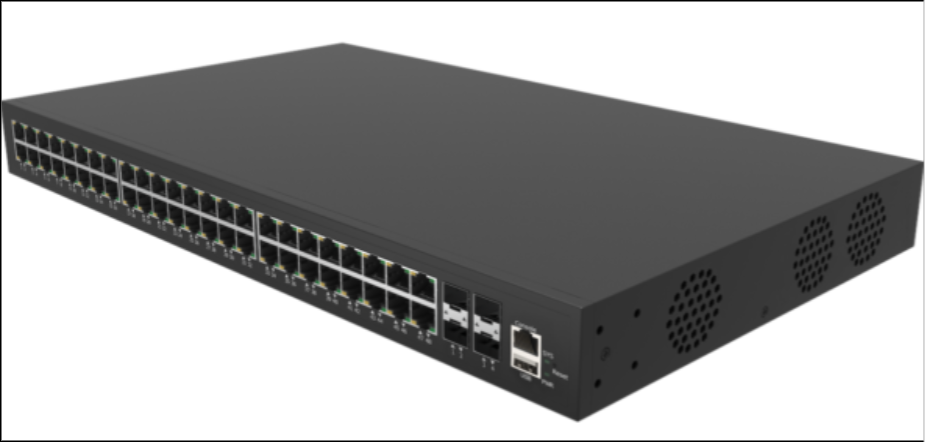
SONiC switches are reshaping how modern data centers are built and managed. They decouple hardware from software, making organizations much more dependent on their networking infrastructure.
1. Removes Vendor Lock-In
One of the biggest advantages of SONiC switches is independence from hardware vendors. In traditional networking, switching hardware and software come as a package, which limits flexibility and forces organizations to follow a vendor’s roadmap.
SONiC turns that situation around. The operating system is designed to be a standardized abstraction layer that enables deployment across multiple switch manufacturers.
This allows organizations to concentrate on hardware costs and performance instead of software compatibility.
2. Improves Scalability for Large Networks
The modern data center must scale up to a massive size. Thousands of switches, millions of routing entries, and a constant increase in traffic demand require a fast-growing system that can expand without the need to redesign the entire architecture.
SONiC is built for this type of environment. The modular design of the structure allows services to scale independently. As a result, operators can upgrade or expand individual components such as routing or telemetry, rather than upgrading an entire system.
This makes SONiC particularly suited for cloud computing, AI clusters, and hyperscale data centers with erratic and constant network expansion.
3. Enables Faster Innovation Cycles
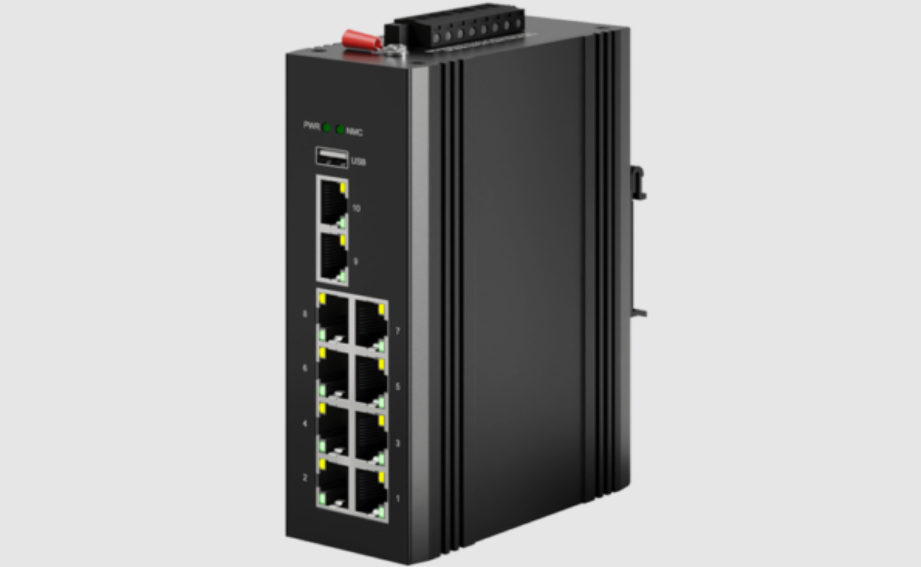
Traditional operating systems typically have long development lifecycles and are administered by company vendors. As a result, feature changes, bug fixes, and protocol updates can take months or even years to be released into production systems.
SONiC accelerates this process because it is open-source and modular. This means engineers can work on components directly, add new functionality, or tweak existing functions without having to get vendor approval.
This can be particularly useful in dynamic environments like AI infrastructure or high-frequency trading systems.
4. Enhances Automation And Operational Control
SONiC can be integrated with the current automation framework. It supports APIs, telemetry systems, and orchestration tools commonly used in cloud environments.
As a result, operators can automate network provisioning, monitoring, and scaling rather than manually configuring switches. This minimizes the risk of human error and increases the consistency of operations.
Telemetry is another key advantage. SONiC provides detailed real-time data about network performance, which helps teams detect issues faster and optimize traffic flow more effectively.
5. Supports Cloud-Grade And AI Workloads
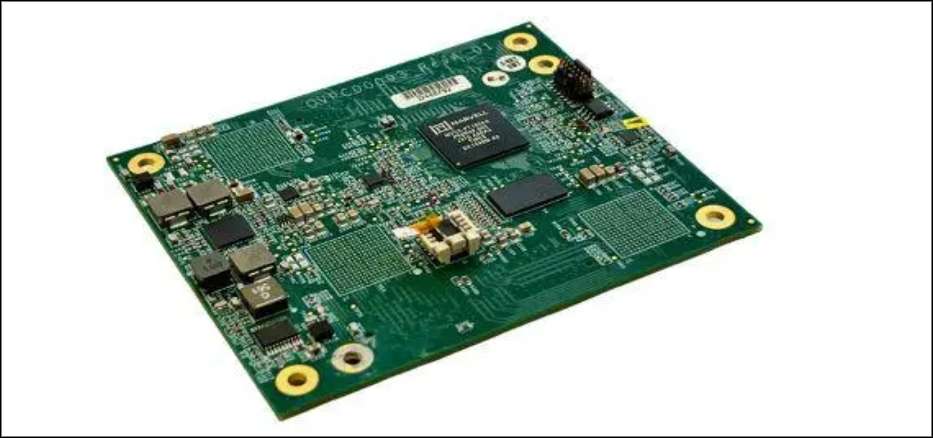
Modern workloads like distributed AI training, machine learning pipelines, and large-scale cloud applications require extremely high bandwidth and low latency networks.
SONiC switches are increasingly adopted in these environments because they support high-speed interfaces (100G, 400G, and beyond) and advanced routing protocols like BGP, EVPN, and VXLAN.
The architecture is designed to handle east-west traffic (server-to-server communication) efficiently, which is critical in distributed computing environments where servers constantly communicate with each other rather than just serving external traffic.
As AI and cloud computing continue to expand, SONiC-based infrastructure is becoming a key building block for next-generation data centers.
Conclusion
SONiC switches represent a shift away from traditional closed networking systems toward open, modular, and software-driven infrastructure. They separate hardware from software, giving organizations more control over how their networks are built and managed.
The main advantages come from flexibility, scalability, automation, and support for modern high-performance workloads. While they require more engineering expertise to deploy and manage, they offer long-term benefits for organizations that need adaptable and future-ready networking infrastructure.
For teams building or upgrading large-scale networks, SONiC is no longer just an experimental option. It is becoming a practical foundation for modern data center design.