Stylish & Eco-Friendly Vegan Bags You’ll Love to Carry
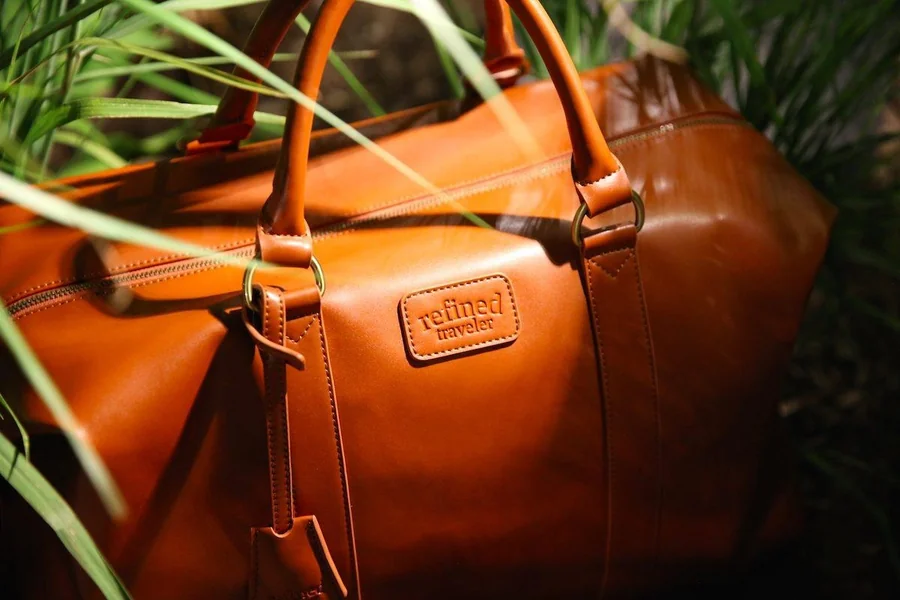
The trend of ethical living and ethical fashion has swept the international community, redefining its current state of affairs and giving rise to one of the most notable of these trends: vegan bags. These bags are no longer a niche option reserved for only environmentalists and animal rights activists; they have gone mainstream. Customers are increasingly turning away from leather and other animal-based products in favor of accessories that align with their own beliefs about what is right without sacrificing style, quality, or functionality. They are not a fad but a responsible choice to save the planet by making it greener and the fashion industry more ethical.
What is a Vegan Bag?
The absence of animal products characterizes vegan bags in layperson terms, which translates to no leather, no suede, no wool lining, no silk trims, and nothing of animal origin. Rather, designers are increasingly utilizing more novel sustainable materials, such as polyurethane (PU), recycled polyester, cork, apple leather, mushroom leather, and PiNatex, a leather-like fiber made from pineapple leaves.
Such alternatives, also known as synthetic and plant-based materials, are often more environmentally sustainable than animal leather, which has been processed extensively with the use of harsh chemicals. Its intention is not merely to prevent cruelty but also to create bags of high quality and trendiness,e from materials that cause minimal wear and tear on the environment.
The crux is that the manufacturing of these products demonstrates the wider concern for ethical labor, environmentally sensitive production, and minimizing wastage, all of which speak volumes to modern consumers who are sensitive not only to environmental factors but also to social factors.
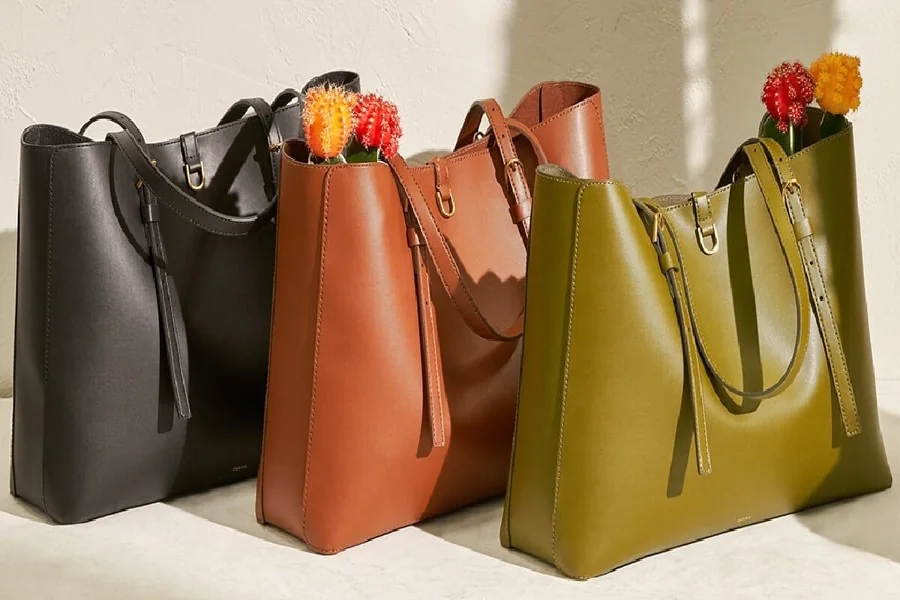
Benefits of Choosing Vegan Bags
Sustainable by Design
Traditional leather production has a significant environmental cost. It leads to deforestation, greenhouse gas emissions, and water pollution caused by the tanning process. Vegan bags, however, are mostly manufactured using renewable or recycled materials, which significantly reduces their ecological footprint. Other materials, such as cork, are harvested without cutting down the tree, and recycled plastics are used to decrease the dumping of waste in landfills and in the ocean.
The makers of these products typically use harmless dyes, water, and energy-saving manufacturing processes. In most situations, such bags would also adopt a circular fashion, in which they can be recycled or upcycled at the end of their life cycle.
Cruelty-Free Fashion
One of the characteristics of vegan bags is that they do not use animal products or byproducts. Leather, which is glamorized in the fashion industry, is a byproduct of the meat industry, and the slaughtering of millions of animals per year occurs during its production. In comparison, it is created in a cruelty-free manner, bringing fashion and compassion together.
The cruelty-free label is no mere marketing ploy: it is an indication of a paradigm shift as fashion is redefined to accommodate a humane future. Patrons who choose to purchase vegan accessories are making a significant statement about the type of world they want to create.
Hypoallergenic and Healthier
The products obtained from animals may contain allergens or cause skin sensitivity, as observed in the chemicals used during processing. Vegan fabrics, such as organic cotton, bamboo, or recycled PET, tend to be less allergic to the skin. Many vegan bags are made with non-toxic adhesives and finishes, which are healthier for those with sensitivities.
Moreover, the man-made materials found in it easily become waterproof, mold-resistant, and lightweight, which contribute to their practicality and enhance their daily charm.
Durability and Innovation
The issue that remains unmentioned is that vegan bags do not sacrifice quality, contrary to certain antiquated beliefs that impose blame. Indeed, the most recent advances in fabric technology involve enhancing the resilience of vegan materials. PU leather can be made durable and long-lasting, and new PLA plant-based products are no different than traditional materials in their strength and end finish.
Mushroom leather (mycelium-based) and apple leather are emerging as alternatives to traditional products on the market thanks to their unique properties, appearance, and sustainability. Top fashion brands are testing and adopting these materials, and this translated into the fact that ethics and durability do not have to conflict.
Vegan Bags vs. Leather Bags
The vegan and classic leather bag debate is not only about the looks. Leather bags are perceived as luxurious and durable yet at a bitter cost to ethics and the environment. During the tanning process, harmful chemicals such as chromium are used, contaminating water and land and endangering the lives of workers.
Vegan bags, on the other hand, do not engage in such harmful practices. They are made sustainable at their core by employing new, environmentally friendly fabrics and socially fair manufacturing processes. Nowadays, sophisticated and of the same quality and quality of cruel vegan venues are no longer monopolies of greedy butchers.
Read More: 6 Wedding Guest Dress Styles to Try in 2025
Top Vegan Bag Brands
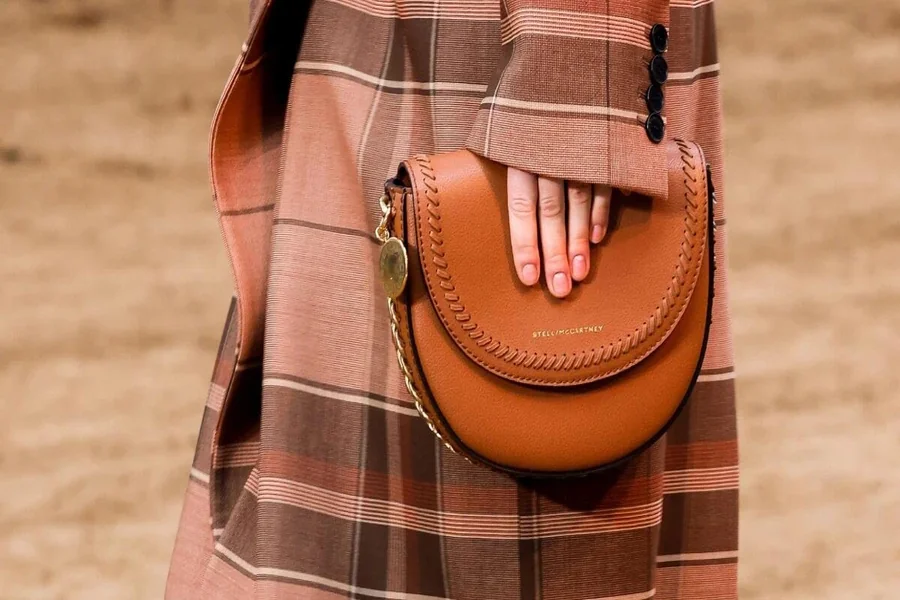
Some of its first-mover brands are making a name in the future of vegan bags. Such branding involves quality design and ethical procurement, providing lines that are both fashionable and sustainable.
Matt & Nat is a Canadian company that utilizes recycled nylon, cork and rubber linings. Their collections are contemporary and built with integrity.
Stella McCartney tops the luxury category, providing high-fashion vegan handbags crafted from eco-substitutes in impeccable taste.
New York-based label Angela Roi creates classically elegant designs made from EPUL (exquisite polyurethane leather) and collaborates with ethical manufacturers.
JW Pei has gained popularity with its trendy yet affordable bags made from 100 percent recycled bottles and vegan leather.
Gunas New York is a 100 percent vegan and cruelty-free company that focuses on animal causes and sustainable fashion.
These brands are a perfect example of how, with the right ethical decision-making, it is possible to have beautiful fashion accessories.
The Growing Demand
Ready-made vegan bags reflect the shift in general society toward more ethical and environmentally friendly consumer behavior. The trends are changing, especially among younger generations, such as Gen Z-ers and millennials, who care more about brands that align with their values. They want clear products concerning supply chains, production and greenhouse effects.
The market is growing rapidly as more celebrities and fashion icons adopt vegan accessories. Large distributors are responding by offering vegan collections, and a small number of luxury houses are considering eliminating animal-based leather.
Vegan bags are anything but a trend; they are one of the most important steps on the path to ethical and sustainable fashion. With the choice of cruelty-free, innovative materials, consumers are sending a strong message: fashion does not have to be gaudy or irresponsible. As the quality of textile technology improves and more vegan brands are willing to make changes to produce cruelty-free clothing, vegan bags are slowly becoming the new standard rather than an alternative.
When choosing a vegan bag, you will adopt a way of life that prioritizes animal welfare, the earth, and future generations. The purpose of the bags we carry will not be the only consideration as the fashion industry becomes more refined; how we choose to carry our bags will reflect our values by volume.
FAQs
1. Are vegan bags waterproof?
Many vegan bags made from PU leather, cork, and recycled plastic are naturally water-resistant, making them practical for everyday use.
2. Do vegan bags last as long as leather bags?
Yes, high-quality vegan bags are designed for durability. Materials like Piñatex and PU leather offer impressive wear resistance and longevity.
3. How do I know if a bag is truly vegan?
Look for certified vegan labels, transparent material sourcing, or brands that explicitly state no animal products were used in the bag’s construction.
4. Can vegan bags be recycled?
Some vegan bags, especially those made from recycled PET or organic materials, are recyclable. Always check the brand’s sustainability policy for details.
5. Where can I buy stylish vegan bags?
Reputable vegan brands like Matt & Nat, JW Pei, Angela Roi, and Stella McCartney offer fashionable vegan bags online and through select retailers.