Refresh Your Look with the Best Under-Eye Masks
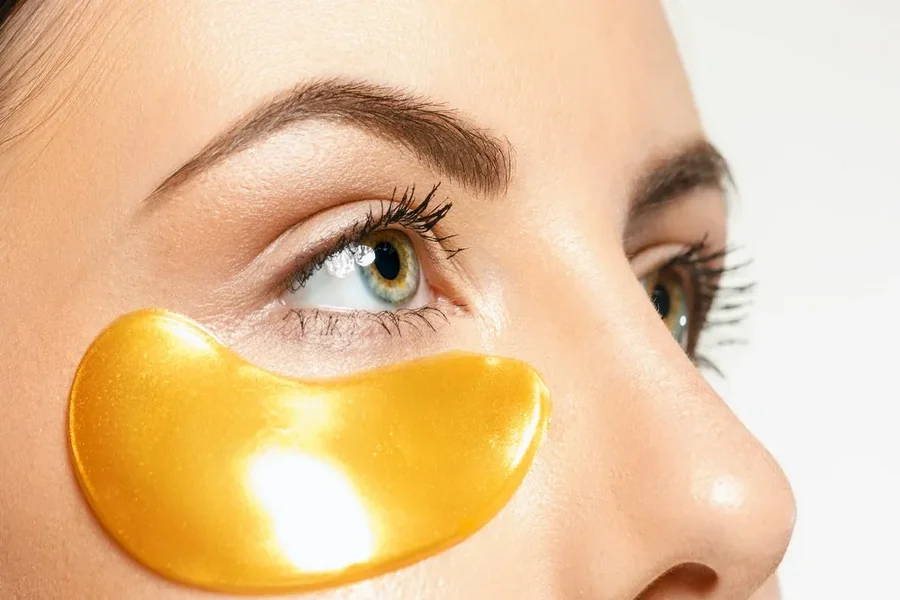
The skin under the eyes is among the thinnest on the face, so it is often the first place to show a late night, a long flight or a dry winter. Under-eye masks, usually sold as gel or sheet patches, are a quick way to hydrate and de-puff the area. They will not rewrite genetics, but used well they can make eyes look noticeably fresher for an event or a busy morning.
Why the under-eye area needs different care
Compared with the cheeks or forehead, the skin around the eyes is thinner and has fewer oil glands, which means it loses moisture more readily and shows fine lines sooner. Common concerns include:
- Puffiness, often caused by fluid that settles overnight, salty food, alcohol, allergies or crying.
- Dark circles, which can come from visible blood vessels beneath thin skin, pigmentation, shadowing from the shape of the eye area, or tiredness.
- Dryness and fine lines, which become more visible when the skin is dehydrated.
It helps to be realistic: masks work best on temporary puffiness and dehydration. Pigmentation and hollows caused by bone structure respond far less to topical products.
How under-eye masks work
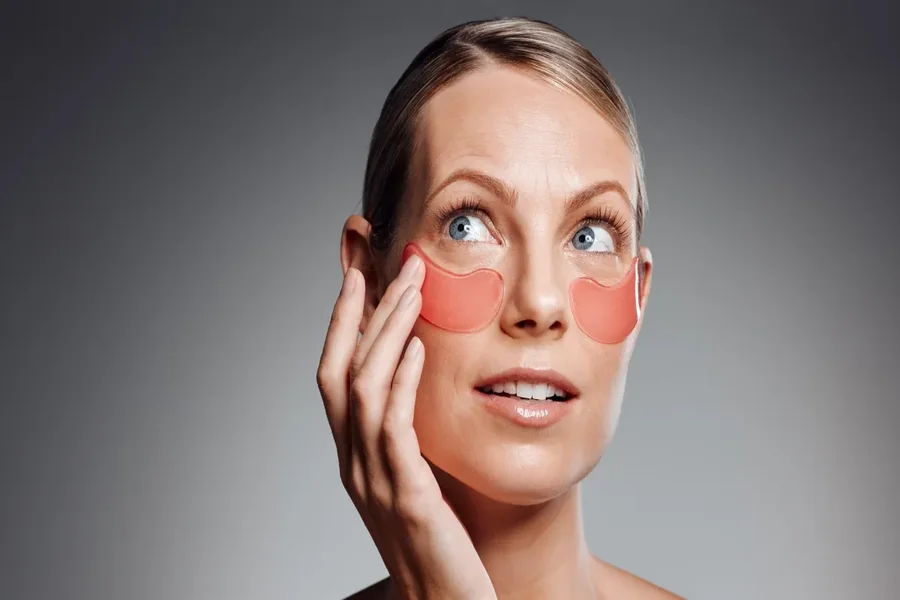
Most patches are made from hydrogel, a soft jelly-like material that holds a serum, or from a thin fabric sheet soaked in essence. Placed on the skin, they act as a temporary barrier that slows evaporation, so the skin absorbs more water and the active ingredients stay in contact for longer. The cool, damp surface also soothes the area and can help reduce puffiness for a few hours, especially if the patches have been chilled.
Ingredients worth looking for
For hydration
Hyaluronic acid and glycerin are humectants: they draw water into the upper layers of the skin, which temporarily plumps the look of fine lines. Ceramides help support the skin barrier so that moisture stays put.
For puffiness
Caffeine is a common addition because it may temporarily constrict blood vessels and reduce the appearance of swelling. Cooling ingredients such as cucumber extract and the physical chill of a refrigerated patch also help.
For brightness
Niacinamide and gentle forms of vitamin C are used to help even out skin tone over time. Results, where they appear, come from consistent use rather than a single application.
For firmness
Peptides are often included to support smoother-looking skin. Retinoids are effective for fine lines but can irritate this delicate area, so they are better introduced slowly in a dedicated eye cream than in a mask used several times a week.
Types of under-eye masks
- Hydrogel patches: crescent-shaped and slippery, they cling well and feel cooling. They are the most popular choice for quick de-puffing.
- Sheet patches: thinner and cheaper, soaked in serum. They deliver hydration but can dry out faster.
- Cream or gel masks: applied from a tube or pot and either left on overnight or removed after a set time. Good for dry skin and easy to use every night.
- Reusable silicone patches: worn over your own eye cream or serum to lock it in. They reduce waste, but they need washing after every use.
How to use them for the best results
- Start with clean skin. Remove make-up and pat the area dry so the patches adhere.
- Chill them first. Keeping patches in the fridge adds a cooling boost for puffiness.
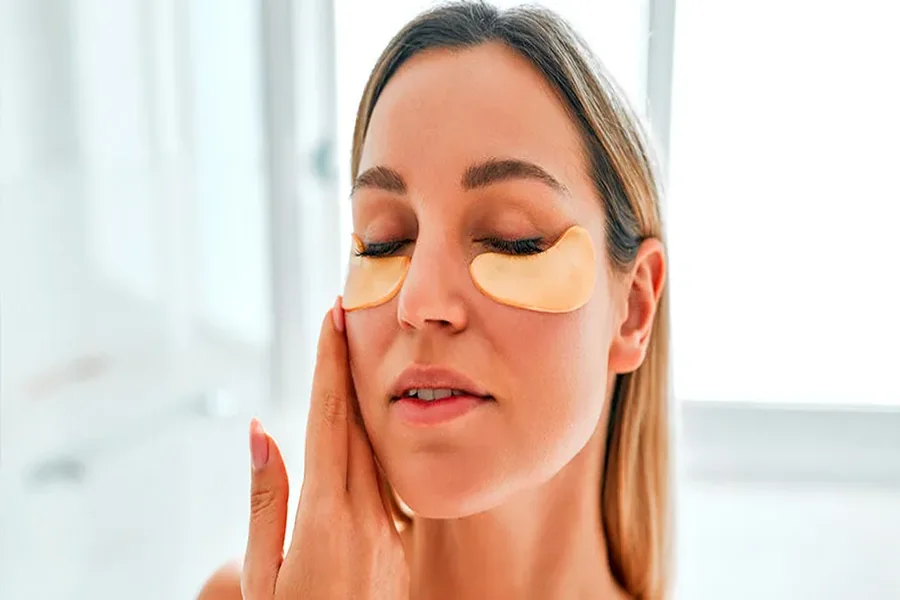
- Place them correctly. Position the patch just below the lower lash line without touching the waterline, with the thicker end towards the inner corner.
- Follow the timing on the pack. Most are designed for a short wear. Leaving a hydrogel patch on until it dries out can start to pull moisture back from the skin.
- Pat in the remaining serum. Use a ring finger, which applies the lightest pressure, then follow with eye cream if you use one.
A gentle massage from the inner corner outwards afterwards can encourage fluid to drain, which is useful on puffy mornings.
Safety and sensitivity
Fragrance, essential oils and strong acids are common triggers for irritation around the eyes. If your skin reacts easily, patch-test a new mask on the jawline first and choose fragrance-free formulas. Stop using any product that stings, reddens or makes the eyes water. Persistent swelling, itching or dark circles that appear suddenly are worth mentioning to a doctor or dermatologist, as they can be linked to allergies or other conditions.
Habits that make masks work harder
Masks give the best results as part of a sensible routine. Regular sleep, sleeping with the head slightly raised, drinking enough water and limiting salt and alcohol the night before an event all reduce morning puffiness. Daily sunscreen, including around the eyes, and sunglasses help slow pigmentation and fine lines. A well-chosen concealer handles what skincare cannot.
Think of under-eye masks as a quick refresher rather than a cure: a few minutes of cooling hydration that helps tired eyes look more rested.