How the American Food Recall Process Works
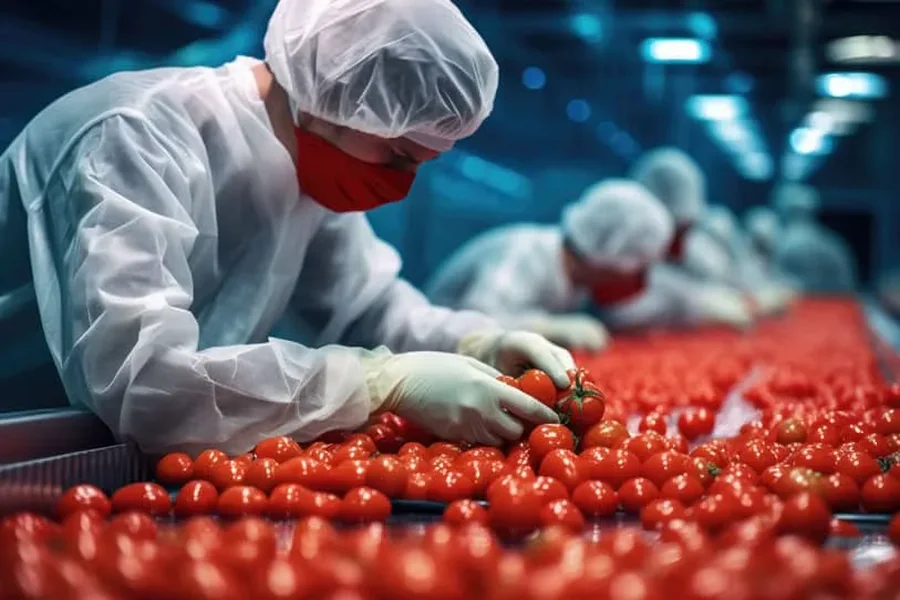
American consumers expect that the food they buy will be safe and of high quality. However, sometimes problems arise that may compromise the safety of certain food products, leading to their withdrawal from distribution or ‘recall’. A food recall usually follows the discovery of an issue that could pose a health risk to consumers. This could be due to contamination, mislabeling, undeclared allergens, or other issues. Let’s take a closer look at how the system works.
Discovery of the Problem
Let’s start at the beginning of the food recalls system, with the detection and identification of a potential food safety issue. Food manufacturers and distributors have a responsibility to ensure product safety, which means regularly inspecting every stage of the production and supply chain. Issues may be discovered during periodic inspections, product testing, consumer complaints, illness outbreaks, or routine label reviews.
When a problem is identified, the company at the center of the issue may voluntarily recall the product from the market to prevent harm to consumers and limit potential legal liability. Alternatively, if the company is reluctant to initiate a voluntary recall, the US Food and Drug Administration (FDA) or the US Department of Agriculture (USDA) might compel a mandatory recall.
Recall Classification and Initiation
Once an issue has been identified, either the FDA or USDA (depending on the type of food product involved) classifies the recall into one of three classes. Class I represents a health hazard situation in which there is a reasonable probability that using the product will cause serious adverse health consequences or death. Class II is a health hazard situation in which there is a remote probability of adverse health consequences from the product’s use. Class III is a situation where using the product will not cause adverse health consequences.
Following the classification, the recall process is initiated. Ideally, the offending company cooperates with the FDA or USDA to remove the product from the market.
Communication and Execution of the Recall
Announcing and executing a recall is the next step in the process. This involves notifying the public about the potential health risk and providing instructions on how to handle the situation, such as returning the product, disposing of it safely, or taking other necessary actions. Both the FDA and USDA strive for transparency and sustainability throughout the recall process. They actively use their websites, social media platforms, and press releases to provide up-to-date information to the public.
Closely linked to communication is the execution of the recall across all distribution levels. The companies involved have the task of making sure that all retailers, distributors, and customers are informed, and all affected products are removed from the market and returned or destroyed.
Observation and Verification
After the recall is executed, the FDA or USDA monitors the situation closely. They verify that all distributors, retailers, and consumers have been properly notified and that all contaminated or unsafe products have been recalled and are no longer available for purchase.
Conclusion
The American food recall process is a complex procedure designed to protect public health by removing unsafe food from the market swiftly. It involves a collaborative effort between government agencies and food manufacturers to ensure consumer safety. When recalls occur, citizens can have confidence that numerous mechanisms are in place to safeguard their health and provide the information needed to take appropriate action.