Exploring the Future of Hairstyling with FaceHair.ai and Facial Features Analysis AI
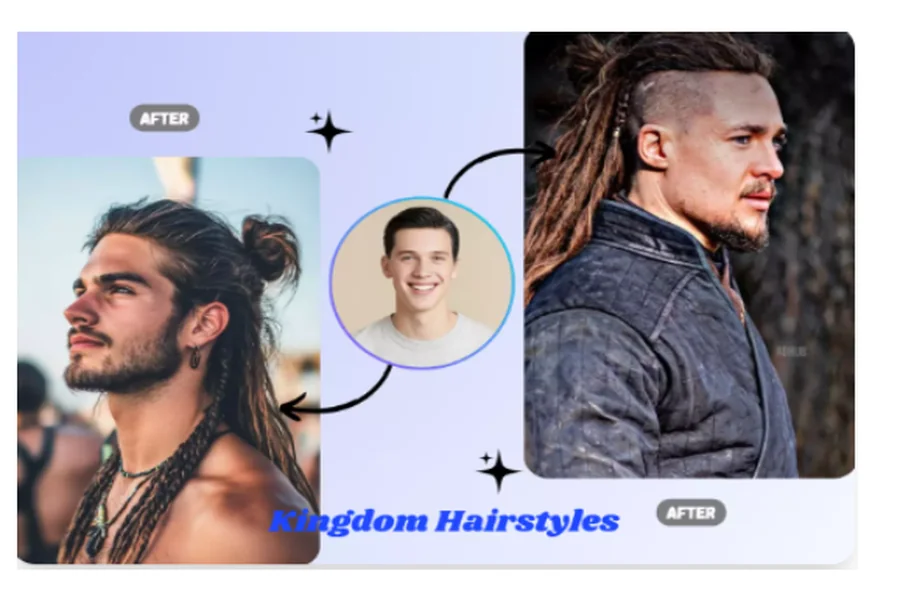
In recent years, the beauty and grooming industry has seen a significant transformation fueled by advancements in artificial intelligence. Among these, the rise of face hair style AI tools has brought a fresh wave of innovation, particularly in how people experiment with hairstyles before committing to a cut or color. One standout in this space is the FaceHair.ai virtual hairstyle preview platform, which leverages cutting-edge facial features analysis AI to offer users personalized hairstyle recommendations and realistic previews. This article delves into the evolving landscape of AI-driven hairstyle technology, sharing insights on user experiences, hairstyle classifications, styling strategies, and practical tips for maximizing these digital tools.
The Rise of AI in Hairstyling: Industry Trends and User Experience
AI-driven beauty and hairstyling devices have been gaining momentum and are gaining popularity with younger generations, such as Gen Z and millennials. According to some surveys and reports on platforms, the use of these AI beauty tools is becoming a regular activity in the personal grooming process, offering the audience accessible, customizable, and uncommitted means to test new looks. The beauty is that virtual previews are convenient and accurate, and in some cases, they will lessen the uncertainty and anxiety of experimenting with a bold or unfamiliar hairstyle.
An example of an artificial intelligence approach is faceHair.ai, a system that relies on advanced facial recognition algorithms, paired with hair-style databases to customize the recommendations that best suit the face structure of the end-user. Previews can be considered close enough to common styles as rated by many users in platform-reported tests and early user reviews, commonly in the range of 60 to 80 percent with typical cuts when under good lighting conditions. But this depends on factors such as the texture of hair, lighting in capturing the photo, as well as the depth of the hairstyle to be adopted thus accuracy may be compromised.
Although these are sound outcomes, users need to know that there are certain limitations. The previews that are created by AI do not necessarily reflect the subtle movement of hair or the behavior of a style in real life. Further, exceptionally complex or nonstandard styles could be characterized by poor preview fidelity. Nevertheless, these resources are priceless to find out the first time and induce the inspiration prior to salon appointments.
Understanding Hairstyle Classifications: Tailoring Looks to You
One of the strengths of AI-driven hairstyle platforms is their ability to classify and suggest styles based on diverse criteria:
- Face Shape: AI models often categorize users into common face shapes such as oval, round, square, heart, or diamond. Hairstyles are then recommended to complement these shapes, helping balance proportions and highlight key features.
- Hair Volume and Texture: Whether fine, medium, or thick, and whether straight, wavy, curly, or coily, hair texture plays a crucial role in style recommendations. For example, layered cuts might suit thick, wavy hair, while blunt cuts could enhance straight, fine hair.
- Age Group and Occasion: Some AI tools include filters for age-appropriate styles or occasion-specific looks such as professional, casual, or formal hairstyles. This contextual customization helps users find practical yet stylish options.
This classification framework allows users to narrow down choices and experiment confidently. For instance, a young professional seeking a versatile hairstyle might explore medium-length layered cuts that work well for both office and social settings. Meanwhile, an older adult might prioritize low-maintenance styles that emphasize natural texture.
Hairstyling Strategies Based on Face Shape and Hair Texture
When selecting a hairstyle, understanding how it interacts with facial features and hair texture is essential. Below are a few common strategies that many AI tools, including FaceHair.ai, incorporate in their recommendations:
- For Round Faces: Styles that add height or angles, such as layered cuts with volume on top or asymmetrical bobs, tend to elongate the face. Avoiding blunt bangs or overly voluminous sides can prevent widening the face’s appearance.
- For Square Faces: Soften angular jawlines with waves or curls and opt for styles that fall below the jawline to balance the strong features.
- For Heart-Shaped Faces: Chin-length bobs or styles that add fullness around the jaw can counterbalance a wider forehead.
- For Thick, Curly Hair: Layering helps reduce bulk and adds shape, while defined curls frame the face beautifully.
- For Fine, Straight Hair: Blunt cuts and subtle texturing can create the illusion of volume and movement.
These strategies, often embedded in AI algorithms, help users visualize how different styles might complement their natural features, improving the decision-making process.
Step-by-Step Guide: Using Virtual Hairstyle Previews Effectively
To get the best results from tools like FaceHair.ai virtual hairstyle preview, users should follow some basic guidelines:
- Capture High-Quality Images: Use natural lighting and take multiple photos from different angles (front, side, and three-quarter views) for accurate analysis. Avoid harsh shadows or backlighting that could obscure facial details.
- Upload Clear Photos: Ensure images are sharp and the face is unobstructed (no hats, glasses, or heavy makeup) to maximize the effectiveness of facial features analysis AI.
- Experiment with Styles: Start with classic or moderate changes before testing bold transformations. This approach helps gauge how realistic the preview is and how comfortable the style feels visually.
- Compare Variations: Use the platform’s comparison features to view side-by-side previews of multiple hairstyles, assessing how each suits your face shape, hair texture, and lifestyle needs.
- Save and Share Results: Many platforms allow saving images or sharing them with hairstylists to communicate your vision clearly.
How to Communicate Your Desired Look to a Hairstylist
Bringing virtual hairstyle ideas to the salon can improve communication and reduce misunderstandings. Here’s a practical list of questions to ask your hairstylist, helping bridge the gap between AI preview and real-world styling:
- How can this style be adapted to suit my natural hair texture and volume?
- What maintenance level does this hairstyle require for my daily routine?
- Are there specific products or tools recommended to achieve the look?
- How often will trims or touch-ups be necessary to maintain this style?
- Can you suggest modifications that might better suit my face shape or lifestyle?
By combining AI-driven previews with professional advice, clients and stylists can collaborate on a personalized, achievable hairstyle.
Hair Care and Styling Techniques: Enhancing Your Chosen Look
Even the best hairstyle depends on proper care and styling. While AI platforms focus mainly on the look and fit of styles, understanding basic hair care and styling techniques can amplify results:
- For curly hair, using a wide-tooth comb or finger detangling helps preserve curl patterns.
- For fine hair, volumizing sprays and root lifts can add body.
- Heat styling tools, when used correctly, enhance texture and shape but should be paired with protective products.
- Regular trims prevent split ends and keep styles fresh.
Although AI does not replace personalized hair care advice, many virtual platforms include styling tips tailored to the chosen hairstyle, helping users maintain their look post-appointment.
Data Security and Privacy Considerations
As with any technology that processes personal images, data security is a valid concern when using AI hairstyle preview tools. Reputable platforms emphasize user privacy by:
- Implementing secure image upload protocols.
- Avoiding unauthorized sharing of photos.
- Allowing users to delete images and data from servers at any time.
Users should review the privacy policy of the AI tool they choose and consider the implications of uploading personal photos online. Opting for platforms with transparent data handling practices helps maintain trust and safety.
The Future of Hairstyling and AI Integration
In the future, the use of AI in hairstyling is also likely to increase. Improvements in 3D modeling, augmented reality and advanced could be made soon so that even more realistic previews can be made which can simulate dynamic movement and texture sensitive styling.
Also, certain salons record decreased consultations (by 1030 percent) based on workflow and experience of the stylist when the client comes with Artificial Intelligence-generated references of hairstyles. Such efficacy is not only enhancing customer satisfaction, but also allows stylists to concentrate more on delivery and innovation.
To sum up, although AI-based tools such as FaceHair.ai cannot replace the services of professional hairstylists, they are a worthy addition. These websites will allow users to make knowledgeable choices and express themselves in a well-developed manner by offering easy access, customized previews, and fashion advice. With the ever-evolving technology, the collaboration of the human creativity and the AI accuracy will re-invent the way people experience hair styling in the future.