How Footballer Style Became a New Language of Modern Sports Culture
Football is too big and too visual to stay inside the touchline. FIFA’s 2025 Club World Cup reportedly reached 2.7 billion viewers across all media formats, and its TikTok deal for World Cup 2026 gave creators formal access to training sessions, press conferences, and behind-the-scenes footage. In that environment, what players wear travels almost as fast as the scoreline.
That appetite for live atmosphere isn’t unique to sport. Across digital entertainment, audiences have been moving toward formats built around presence – https://rg.org/en-ca/casinos/live-dealer/ work on the same logic: real people, real-time action, mobile access, and a sense that something is actually happening rather than being simulated. Football and live-streamed entertainment aren’t the same thing, but they share an audience that’s learned to tell the difference between atmosphere and content – and increasingly wants both.
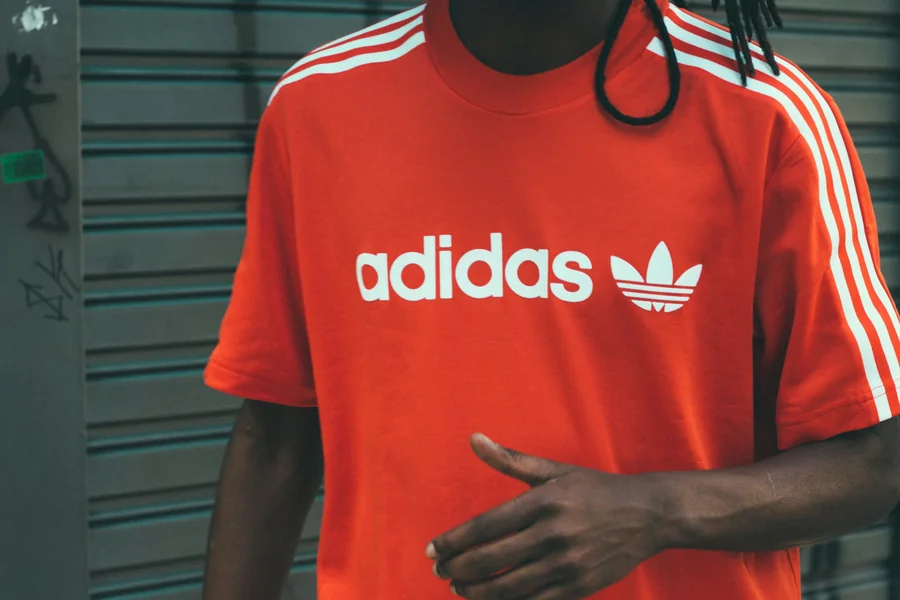
Clothing now does more than signal taste. It can express club identity, city identity, and how a player wants to come across – disciplined, loose, nostalgic, or deliberately ahead of things. Style has become part of the sport’s vocabulary, not a footnote to it.
Style Starts Before Kickoff
The match no longer begins at kickoff, at least not from a media standpoint. FIFA’s TikTok agreement expanded the visual culture around football far beyond match action, pulling in arrivals, travel clips, training content, and locker-room imagery alongside the usual highlights. When fans consume all of that together, what a player has on becomes part of the story.
This doesn’t mean every footballer needs fashion-week polish. It means presentation carries communicative weight. A technical jacket, a clean knit, or a retro track top can say something before a player ever speaks, and supporters have gotten good at picking up on it.
That shift also explains why style in sport feels more considered now than it did a decade ago. Fans aren’t only responding to goals, interviews, and league tables. They’re responding to complete visual worlds, where fabric, color, and attitude help build the meaning of the athlete as a figure – not just a player.
The Shirt Stopped Being Just a Uniform
One of the clearest signs of change is institutional. The National Football Museum’s STRIP! exhibition framed the shirt’s evolution as a move from kit to “objects of desire” – a striking phrase for something that used to be treated as functional sportswear and nothing more. A shirt is no longer only a badge of support. It’s also a design object, a memory object, and sometimes a deliberate style decision, particularly when nostalgia, unusual colorways, or limited editions enter the picture.
The crossover has gone institutional too. The FA’s Emirates FA Cup Presents project explicitly combined the heritage of the competition with UK streetwear through collaborations with GRAMM. and Jehucal, framed around community, identity, and local creative culture. When a football institution uses that kind of language openly, it becomes hard to argue that fashion sits at the edge of the game rather than inside it.
Clubs No Longer Sell Only a Result
Paris Saint-Germain offers a useful example of how clubs now think about apparel. In March 2026, PSG and Jordan Brand unveiled the Night Edition jersey after progressively releasing Lifestyle and Training ranges, describing the line as sitting at the crossroads of performance and Parisian street style. That’s not the language of a kit manufacturer. It treats clothing as a full identity system.
The collection extended beyond the jersey into footwear, training pieces, and a broader sportswear wardrobe, and the Paris release was staged as a public event rather than a straightforward product drop. The club wasn’t only selling something to wear – it was building a visual language around nighttime city references, chrome, monochrome, and reflections. Paris has a specific look. Another city would need a completely different vocabulary, which is exactly what makes the better football collaborations worth paying attention to: they work when they stay local even while reaching global audiences.
What Readers Can Actually Borrow
The useful lesson isn’t to dress like a sponsorship board. It’s the logic underneath – how footballers and clubs build a look that balances function, identity, and one thing worth noticing. Start with one strong piece: a retro shirt, a track jacket, a decent sneaker. Keep the palette narrow, with neutrals doing most of the work. Mix performance fabric with something structured. Use nostalgia carefully, because one archival reference lands harder than a full costume. Pay attention to footwear, because football-influenced dressing tends to win or fall apart at shoe level.
Restraint is what makes it feel modern. The best outfits around the sport suggest allegiance without broadcasting it – lived in, not merchandised.
Why This Matters Beyond Fashion
FIFA is building creator ecosystems around the game. Museums are treating shirt culture as design history. Clubs are releasing lifestyle collections that sit between performance wear and streetwear. Competitions are partnering with designers to speak to local communities. Taken together, clothing has become one of football’s most active cultural languages – and for anyone watching the sport, that changes what there is to read. Not just a score, a tactic, or a table. Also references, textures, affiliations, and mood. In modern football, the outfit is often part of the message.