The New Rule for Hair Growth – Scalp First
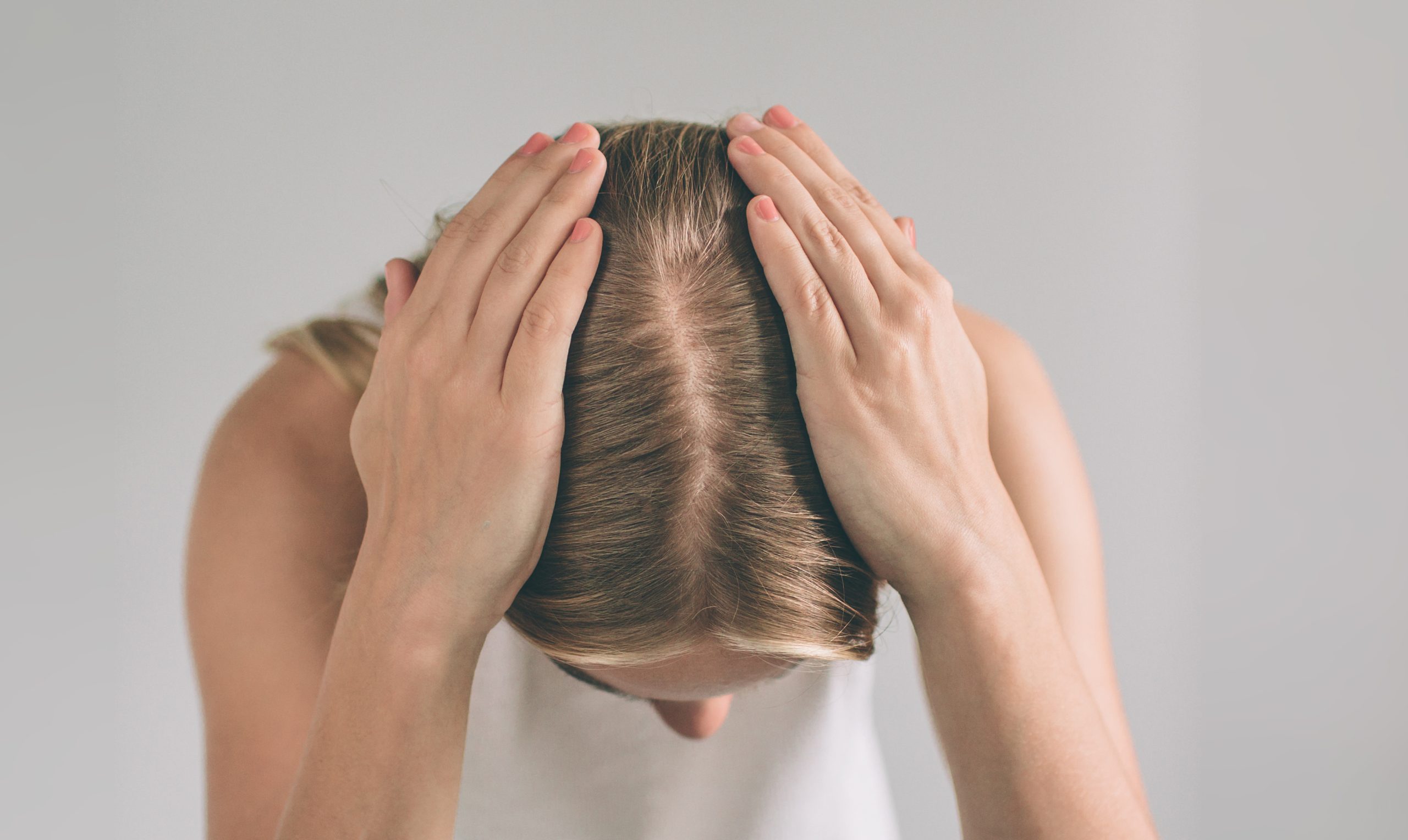
For decades, advertisements aggressively sold us the idea that a great hair care product, like a shampoo or conditioner, is what we need for a healthy, lustrous mane. Now more than ever, people spend a fortune on expensive conditioners and styling sprays to treat the hair shaft because they want to achieve that sheen or fix the split ends, but very few think about the roots.
Let’s not forget that hair is a biological product. It grows from the skin, and thus, real hair health starts at the roots, not the ends. This shift in focus began in the beauty industry. Shaina Rainford, Founder & CEO of Bask & Lather Co., talks a lot about how growth actually comes from biological fixing.
“Healthy hair is a byproduct of a healthy scalp. You cannot expect heavy growth if your foundation is compromised. When we focus on balancing the scalp environment and nourishing the root, we see more resilient hair over time,” says Shaina. The reason is simple: There are no magic shortcuts. While hair growth products online help, growth takes time. Treating the scalp with the same attention you give your face goes a long way in supporting hair growth.
The Problem With the Hair-First Approach
For many people, it is the hair-only approach. They treat their hair like it’s some kind of fabric that only needs cleansing and softening. They make sure to wash it a few times a week, to style the strands on special occasions, but they hardly ever spare a thought for the scalp—the skin with living tissue underneath. This skin on your head extends from the skin on your face, which means it deserves care, too.
The Biology of the Root
The scalp skin is actually the thickest on your body! It has approximately 100,000 to 150,000 hair follicles. The roots of these follicles go as deep as 4mm below the skin, which need a specific environment to function properly. Constant care and nourishment create that environment conducive to hair growth. When scalp care is neglected, the environment is off, and when this happens, it leads to issues that can’t be treated with superficial cleaning and conditioning routines.
Why the Scalp Environment Matters
Modern life is hard on the scalp. Many people, specifically women, use dry shampoos to skip washes. Some even apply heavy gels that do not just sit on the hair; they permeate into the skin. They mix with sweat and dead skin cells and end up creating a thick layer of debris. They might save your style but smother the follicles.
Clogged follicles cannot produce strong strands. Clogging can result in inflammation, which, if left untreated, can shrink the follicles over time. Eventually, the hair grows back finer and weaker. Instead of growing for years, the strand sheds after months. This results in hair that never seems to get longer.
Building a Scalp-First Routine
It starts with breaking the cycle of neglect and embracing the skinification of hair. A skinification routine is simple but intentional. Here’s what it includes:
- Thorough cleansing – Massage your cleanser into the skin, rather than just slathering it on the hair. This action breaks up oils and increases blood flow. Blood carries protein, the building blocks of hair.
- Exfoliation – Exfoliating is unskippable. No need to use harsh scrubs; in fact, beads in scrubs can leave small tears on the scalp. So, always go for gentle exfoliants like salicylic acid (for oil control) and glycolic acid (for buildup removal).
- Hydration – Finally, you must hydrate. Many people fear oils because they worry about grease. Oils actually greatly improve scalp health, as well as moisturize dry, brittle hair. The right botanical oils mimic your skin’s natural sebum. They soothe the skin and protect the barrier. So, if you want to nourish your hair deeply, you shouldn’t skip oiling. Oils like tea tree, lavender, rosemary, and coconut are excellent options.
The Reality of Consistent Care
Hair grows about 0.5 inches (1.25 cm) every month. This means you will not see a change immediately. Skinification is a long-term strategy. If you start today, you will see better texture in a few weeks. In three to six months, you might even see better density. The key is patience.
Moreover, stress and poor dietary habits show up in your hair quality. So, take a holistic approach and fix your lifestyle choices, too. Stop worrying about the dead ends of your hair; instead, focus on the scalp that brings it to life.