Benefits of Organic Materials in Fashion – Why Sustainable Fabrics Matter in 2026
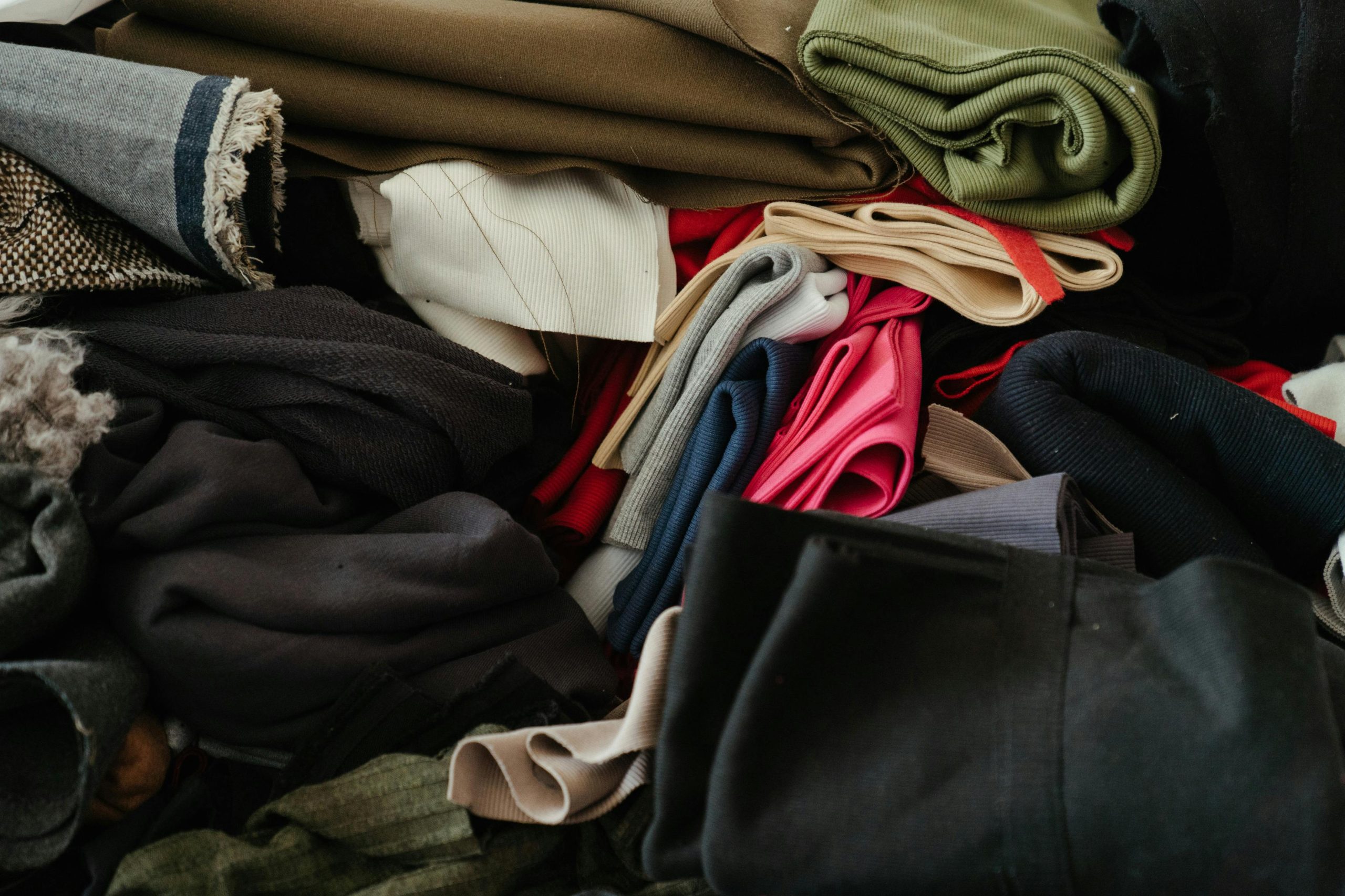
Organic materials are currently increasingly significant in the fashion world as opposed to several years ago. Clothing and textile companies and individuals are more concerned with the manner of production of the material as well as its effect to health and environment.
You can find organic cotton, hemp, and linen in daily and sportswear, as well as in high-end collections. Meanwhile, more buyers seek information concerning sourcing, production standards, as well as, product quality prior to buying.
Pollution, waste of textiles and overproduction is also an issue that has been leveled against the fashion industry. Consequently, numerous brands are increasingly spending on recycled and organic fabrics as a subset of the larger sustainability goals.
What Are Organic Materials in Fashion?
Organic materials refer to a type of fabric created using minimal amount of artificial chemicals, pesticides and artificial fertilizers. Most of these materials are in accordance with the agricultural standards, which prevent environmental harm and enhance the soil properties.
The most popular organic fabrics are:
- Organic cotton
- Hemp
- Linen
- Organic wool
Organic cotton has continued to be one of the most popular fashion choices. It is cultivated without most of the chemicals in the conventional cultivation of cotton.
It has recently attracted interest due to Hemp growing fast and typically using comparatively less water as compared to cotton. Another material that is associated with reduced environmental impact during the production process is linen, a by-product of the flax plant.
Traditional fabrics frequently are based on intensive agricultural practices, chemical processing and heavy usage of water. The intent of organic alternatives is to make these problems fewer using production standards that are more restrictive.
According to Textile Exchange, more fashion brands increased their use of preferred and certified fibers between 2023 and 2025 as sustainability targets became more common across the industry.
Why Is Demand for Organic Fabrics Growing?
There are various reasons as to why organic materials in fashion will increase in 2026.
The reason is the consumer awareness, which is one of the largest. The sustainability claim, fabrics, and durability are becoming important issues buyers consider before purchasing a product. With younger consumers more specifically, they will tend to make inquiries about the methods of making products before purchasing them.
Instead of its effect, online research behavior has transformed the consumer behavior in most industries. Customers tend to compare products, product reviews, and brand claims prior to decision making. In the world of gambling, for example, media sites such as Slotozilla reflect this broader trend by publishing analytical content focused on user behavior, digital trends, and consumer interests.
This call of transparency in fashion has presented more pressure on brands to describe how they source and produce products more explicitly.
Regulators and governments have also put an added burden. European Commission still promotes the sustainability activities related to textiles and circular production objectives.
What Are the Main Benefits of Organic Materials?
Fabrics made of organic materials have benefits that relate to environmental factors, comfort and durability.
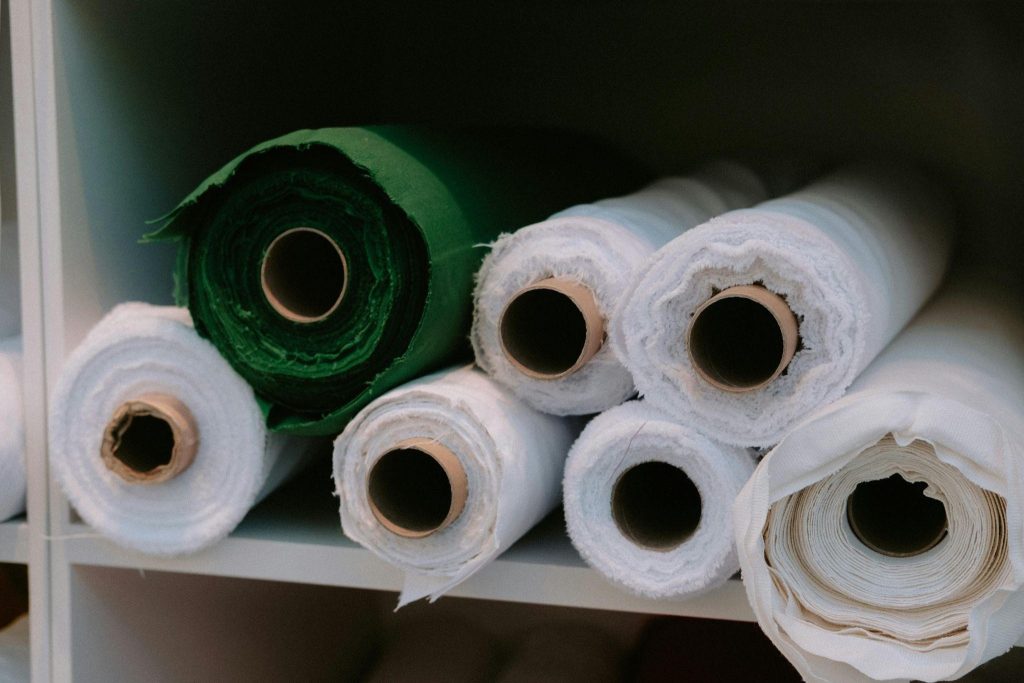
Lower environmental impact
Organic agriculture tends to minimize the leaching of chemicals to water and land. Hemp and linen are some of the materials that do not need a lot of irrigation as compared to the traditional cotton.
Less use of pesticides can aid in reducing environmental harm in agricultural lands in the long term.
Better comfort for sensitive skin
Organic fabrics might have less chemical residues of farming and manufacturing procedures. This may be important to those who are allergic or sensitive.
The reason is that organic cotton is often utilized in baby clothes and bedding.
Durability and product lifespan
Hemp and linen, which are natural materials, are reputed to be durable. A number of consumers are opting to wear clothing items that are durable rather than changing clothes every season.
Such a change has been more evident as the cost of clothing has been on the increase.
More transparent supply chains
Organic certifications provide additional control over production processes and sources, with more stringent controls. This may simplify the process of the supply chains than in the traditional textile production.
How Do Organic Fabrics Compare to Conventional Materials?
The largest disparities between organic and conventional fabrics involve the usage of chemicals, methods of production, effect on environment and cost.
| Feature | Organic Fabrics | Conventional Fabrics |
| Chemical use | Low or restricted | High |
| Water consumption | Often lower | Often higher |
| Environmental impact | Lower overall | Higher overall |
| Skin sensitivity | Often better tolerated | May contain more residues |
| Production cost | Higher | Lower |
| Supply chain transparency | Usually stronger | Often limited |
However, the cost of organic material is normally higher owing to the high standards of production and also inferior crop yield. The additional expenses are also involved in the certification process and monitoring.
Nevertheless, at a certain cost, organic clothes are treated as a long-term investment with most customers due to their longer wear and environmental effects.
Conclusion
Organic materials find their role in 2026 as consumers and brands continue to emphasize more on sustainability, durability, and sourcing practices.
Alternatives to mainstream fabrics namely organic cotton, hemp, and linen tend to utilize less weight of chemicals and consume less energy as well as reduce resource usage. The need to produce and purchase these materials has been on the increase in the last couple of years, particularly due to the need by consumers to have more transparent production methods.
Traditional fabrics continue to predominate in the world textile market, although potentially organic materials will still be a significant component of the clothing production industry in future, as standards evolve.
FAQ
Are organic clothes better for your skin?
They can be. Organic fabrics may contain fewer chemical residues, which may help people with sensitive skin.
Why are organic materials more expensive?
Production costs are usually higher because organic farming follows stricter standards and certification processes.
Are organic fabrics really more sustainable?
In many cases, yes. Organic farming often reduces pesticide use and environmental pollution, though sustainability also depends on manufacturing and transportation.