The Complete Buyer’s Guide to Princess Cut Engagement Rings
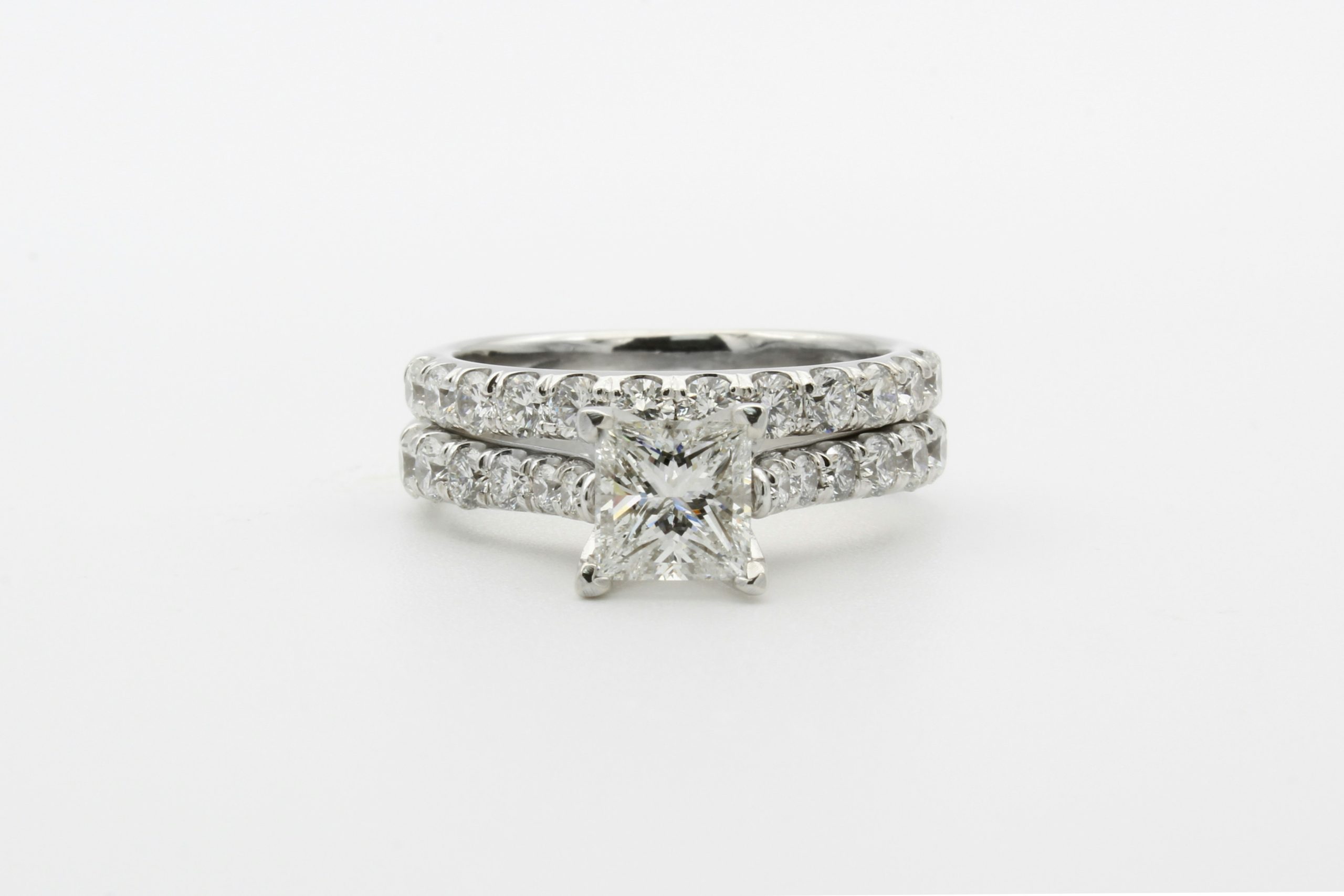
Princess cut diamonds have stayed popular for decades, but buying one well takes more attention than many people expect at first.
The shape looks clean and modern immediately. Sharp corners, strong brilliance, square outline. Simple enough on the surface. Then the details start appearing. Some stones look balanced and bright, others feel slightly uneven or darker through the center. Settings matter more than buyers anticipate too, especially because the corners need protection.
That’s why princess cuts reward careful shopping. Small differences can change the entire feel of the ring once it’s actually worn.
What Buyers Usually Notice First
When people begin exploring princess cut diamond rings, brilliance is often the first thing that catches their attention.
Princess cuts reflect light intensely because of the way the facets are arranged. The shape combines a square outline with strong sparkle, which gives it a very energetic look under natural lighting.
But brightness alone doesn’t tell the whole story. Some princess cuts can appear too deep, which affects how large the diamond feels visually. Others lose symmetry around the corners or through the center.
At Best Brilliance, people often narrow their options much faster once they stop looking only at certificates and start paying attention to overall visual balance.
Why Cut Quality Matters So Much Here
Cut quality affects every diamond shape, but princess cuts are especially sensitive to proportion. A poorly cut princess diamond can look smaller than its carat weight suggests because too much weight sits hidden in the depth. That extra depth also affects how light moves through the stone.
Well-cut princess diamonds usually feel bright across the full surface rather than concentrated only in certain areas.
Best Brilliance often recommends evaluating princess cuts under different lighting conditions because this shape reacts noticeably to lighting changes.
Understanding the Ideal Length-to-Width Ratio
Most buyers looking at princess cuts want a square appearance. That usually means staying close to a 1.00 ratio, though slight variation is completely normal. Once the shape stretches too far beyond that, the diamond can begin feeling more rectangular than square.
This comes down to personal preference more than strict rules. Some buyers actually prefer a slightly elongated princess cut because it softens the geometry a little on the hand. Others want perfectly sharp symmetry from every angle.
Clarity Can Be More Flexible Than You Think
Princess cuts hide inclusions fairly well because of their brilliance pattern. That means many buyers can comfortably choose eye-clean clarity instead of paying heavily for very high clarity grades that won’t change everyday appearance much.
The important part is checking where inclusions are located. Dark inclusions near the center tend to attract more attention than smaller ones positioned toward the edges.
Best Brilliance regularly discusses clarity in terms of visibility rather than grading prestige. That usually creates a much better balance between beauty and budget.
Comparing Popular Princess Cut Settings
| Setting Style | Why Buyers Choose It |
| V-Prong | Protects vulnerable corners while keeping an open appearance |
| Bezel Setting | Adds strong protection and a modern look |
| Solitaire Setting | Keeps focus fully on the center stone |
| Halo Setting | Creates additional visual presence |
| Split Shank | Adds width and structure |
V-Prong vs. Bezel: What Matters Most
Princess cuts are pointed making protection relevant when wearing over long periods of time. V-prongs are one of the most popular selections as it protects the corners, but leaves the diamond visually open. Many consumers prefer this to consumers since the stone remains bright and exposed.
Bezels provide a more enclosed appearance, however, they have good protection and a very clean appearance. There are those who want the stronger structure particularly when the ring is to be used on a daily basis in active setups.
Best Brilliance frequently experiences purchasers to take a V-prongs position initially, and then revisit bezels after durability enters the discourse.
Pairing a Princess Cut With a Wedding Band
Princess cuts are compatible with most of the band styles since the square shape will give the appearance of clean alignment. Straight wedding bands typically perform organically adjacent to solitaire settings. More elaborate settings of engagement rings might need contour bands based on the position of the center stone.
Spacing matters too. The slightest space in rings alters the feel of the set on the hand. This is why lots of buyers begin to consider the wedding band earlier in the process rather than a totally different purchase in the future.
Why Princess Cuts Continue to Stay Popular
The princess cut is stylistically in a convenient middle ground. It is contemporary due to the uncluttered geometry, yet possesses enough luster to be timeless, as opposed to being trend-driven. The balance makes it not obsolete as the preferences of engagement rings change.
The interest in princess cuts remains high at Best Brilliance as it is a combination of structure, brightness and versatility that can be used in many different ring styles.
Final Thoughts
The process of purchasing a princess cut engagement ring is simplified greatly when you are familiar with the impact of proportion, depth, clarity and setting choice on the overall look.
The shape is worth a close consideration as minor variations determine the brilliance, symmetry, and durability over time more than some purchasers initially think. Taking a step further and looking past the certificate and focusing on the actual visual balance will tend to make a more decisive move.
Best Brilliance is focusing more on the structure and light performance of the princess cuts, as opposed to merely being a square diamond shape.
FAQs
What is the ideal ratio for a princess cut diamond?
Many buyers prefer ratios close to 1.00 for a square appearance.
Are princess cuts durable enough for daily wear?
Yes, though the corners should be protected properly through the setting.
Is a V-prong setting better than a bezel?
Both work well. V-prongs feel more open visually, while bezels offer stronger protection.
Can princess cuts hide inclusions?
Yes. Their brilliance pattern often helps reduce the visibility of small inclusions.