Shoes for Sweaty Feet: How to Choose Breathable Sneaker
It is common in hot weather, when you are exercising, working a long day or when you have walked for a long time as sweat builds up in your feet. The shoes you wear are an integral part of how comfortable your feet are the rest of the day. A poorly ventilated sneaker will allow moisture and heat to accumulate, while a well-designed shoe will allow a greater air flow and allow moisture to escape more opportunities.
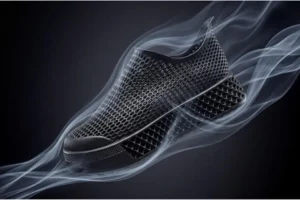
For shoppers considering 3D printed sneakers, newer footwear designs offer another approach to breathability. Instead of relying only on a mesh upper, 3D printed shoes can use open structures throughout the shoe to create ventilation and reduce enclosed areas.
Why Do Feet Get Sweaty Inside Shoes?
Sweating is normal and a means of the body cooling down, as there are a lot of sweat glands in the feet. The issue begins when the moisture gets stuck in the footwear.
Several factors can make the problem more noticeable:
- Hot weather and high humidity
- Long periods of standing or walking
- Exercise and other physical activities
- Thick or poorly ventilated shoe materials
- Shoes with multiple dense internal layers
- Wearing the same shoes before they have fully dried
Sweat doesn’t always cause foot odors. Bacteria can multiply and cause odours due to moisture. Opting for breathable shoes, rotating socks often and letting shoes dry thoroughly will help control moisture and smelly feet.
Best Breathable Shoes for Sweaty Feet
No one shoe size fits all. The best choice will depend on the way you wear your shoes, the weather and the amount of ventilation you require.
1. 3D Printed Sneakers
For people prioritizing airflow, best breathable shoes often share one characteristic: they create space for air to circulate around the foot.
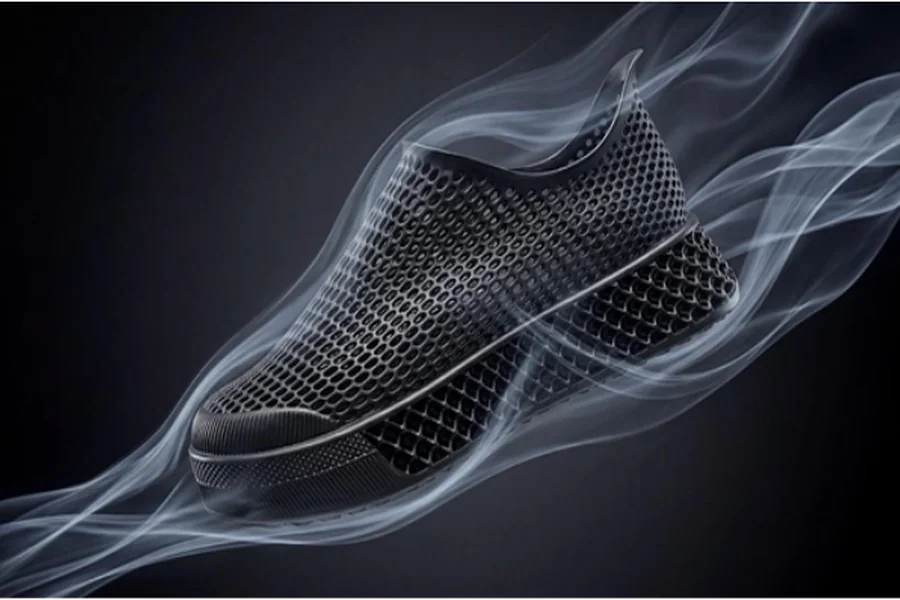
With 3D printing, manufacturers may be able to design lattice structures of specific patterns, densities, and openings. The mesh doesn’t just go in the traditional shoe, it’s the shoe itself that becomes a part of the ventilation system.
One such system is nextbie aeroraise.
Nexbie Aeroraise 3D Printed Shoes
Nexbie Aeroraise Features a 3D printed lattice structure that achieves 1-piece design to maximize airflow, flexibility, cushioning and everyday comfort. The shoe features a breathable fabric upper instead of just a porous cap, rather than that, the shoe is designed to have ventilation as part of the shoe’s structure.
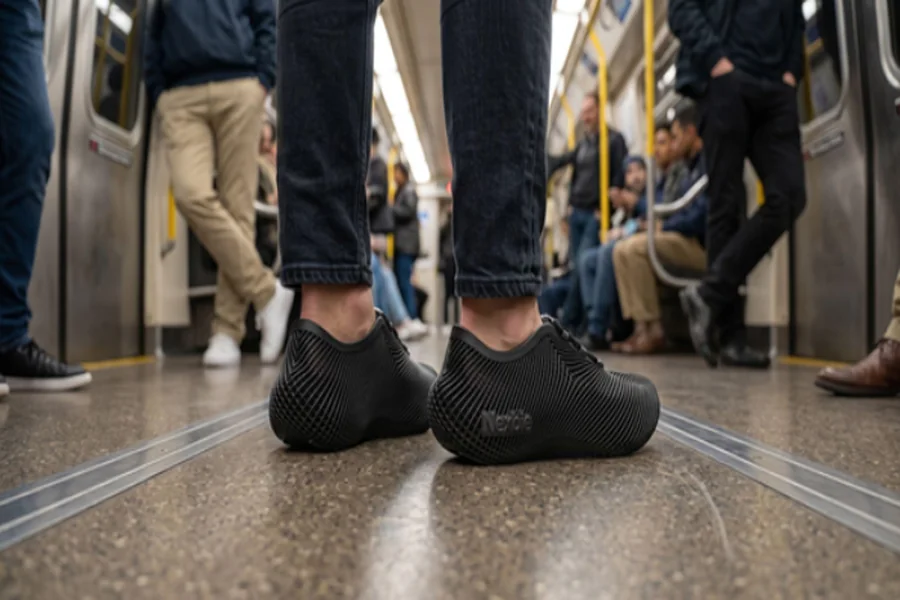
Key features include:
- Up to 80% open lattice: Creates more space for airflow and helps water drain through the shoe.
- Breathable structure: Helps reduce the warm, enclosed feeling associated with traditional sneakers.
- Machine washable: Makes regular cleaning easier for people who wear their shoes frequently.
- Lightweight and flexible design: Supports comfortable movement during walking, travel, and casual activities.
- ELASTO 1000 polyurethane: Provides 250% elongation and 20 N/mm tear strength based on Nexbie’s material testing.
- 100,000+ flex cycles tested: Designed to withstand repeated bending during everyday use.
Best for: People with sweaty feet, warm-weather wear, everyday walking, commuting, travel, and casual activities where airflow and easy maintenance are priorities.
2. Mesh Sneakers
Meshes are still one of the most easy to wear shoes for those who need more ventilation. A large mesh upper lets air in and has more coverage than sandals.
When choosing mesh sneakers you should not only consider the way the shoe looks, but also its general characteristics. Look at the amount of mesh and whether it is vented inside the shoe, on the tongue and on the lining.
More open mesh usually provides greater airflow, while tighter mesh offers more structure and protection.
3. Knit Sneakers
The knitted uppers employ flexible textile structures which can also offer acceptable breathability and comfort. These are also easily lightweight and flexible, which is suitable for casual walking and day to day activities.
One problem is knit fabric can absorb moisture. For sweaty feet, find shoes with moisture-wicking linings and removable or washable parts.
4. Breathable Slip-Ons
Slip-on is easy to travel with, use at home and for those quick errands. Some people opt to use lightweight textile or mesh uppers for better ventilation.
The biggest benefit they offer is not necessarily the best ventilation; it is convenience. Ensure there is a good fit for the heel as the slip-on shoes can loosen, which may lead to the foot sliding around inside the shoe.
What Makes a Sneaker Breathable?
All shoes labeled breathable don’t necessarily offer the same breathability. Instead of just examining the upper material of sneakers, take a different approach to comparing them.
Open or Ventilated Upper
One of the most popular materials used in shoes that breathe is mesh. It is made of weave, which allows small openings that allow air to flow through.
But mesh does only work on the upper. A shoe could be made from a breathable mesh exterior but then have dense layers inside.A breathable mesh exterior shoe could be filled with dense layers underneath.
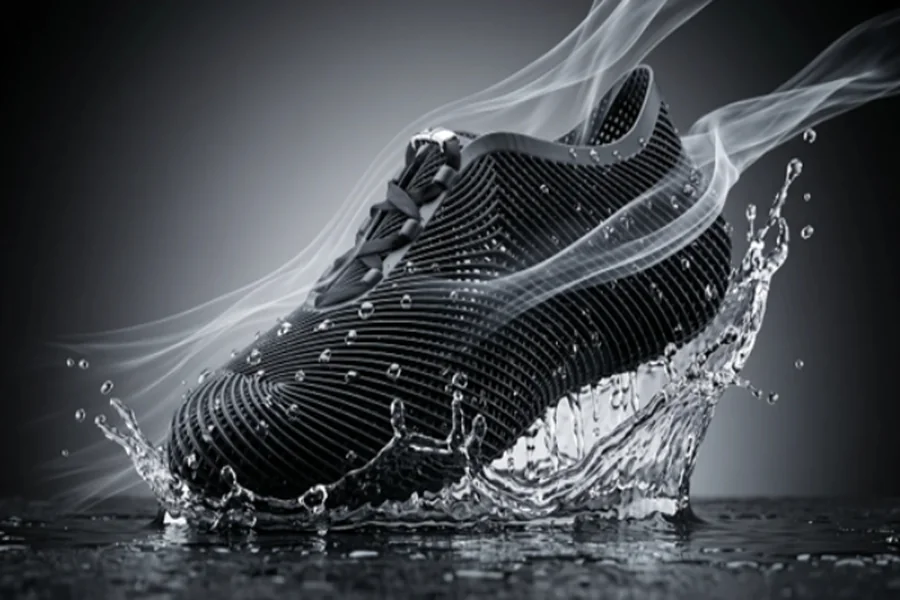
Overall Shoe Structure
The shoe construction is important than the material. Open areas in the upper, footbed and other areas allow for better airflow.
That’s where the newer 3d printed footwear designs are interesting substitutes. Engineers can develop lattice designs that incorporate accurately placed openings without having to work from a solid basis and then insert panels for ventilation.
Read more: Street Fashion In Spain Trends You Need To Copy
Moisture Drainage
Moisture also has a place to go and Airflow is a help with the heat. When it comes to shoes that are exposed to moisture from sweating, rain or water, structures that facilitate the drainage of moisture are a great advantage.
Lightweight Materials
Weighty, dense shoes tend to have more fabric in the foot. Light construction can help to minimize the enclosed atmosphere and improve the comfort of shoes for long wearing.
How to Keep Your Feet Drier
Even highly breathable shoes work better when you combine them with good foot and footwear habits.
Choose Moisture-Managing Socks
Cotton socks absorb moisture but often hold onto it. Moisture-wicking synthetic or performance fabrics are designed to move moisture away from the skin
Rotate Your Shoes
Give your sneakers time to dry completely before wearing them again. If possible, rotate between two pairs instead of wearing the same pair every day.
Clean Your Footwear
Sweat, dirt, and bacteria accumulate over time. Follow the manufacturer’s cleaning instructions and allow shoes to dry completely before wearing them again.
Let Your Feet Breathe
Wearing some time without enclosed shoes allows your feet to be free of the warm close environment when it’s not needed at home.
Conclusion
One of the easiest ways to make life more comfortable for your feet is to wear comfortable shoes that allow them to breathe. Read beyond the term “breathable” on a product page, and check the materials, inside construction, ventilation, moisture drainage, fit and maintenance of the shoe.
Sneakers that are knitted or meshed can still be useful, as can 3D printed sneakers. To solve the problem of airflow and moisture management of the shoe itself, Nexbie Aeroraise features an open lattice structure, one-piece construction, and flexible polyurethane material, and is washable.
A shoe that enhances air circulation can make a big difference for those who walk for long periods, commute to work, travel or wear sneakers while it’s hot outside. Each foot, environment and activity is different and so is the best choice, but breathability is a must if you have a sweaty foot problem.