What Shoes a Show Ballet Dancer Needs for Work
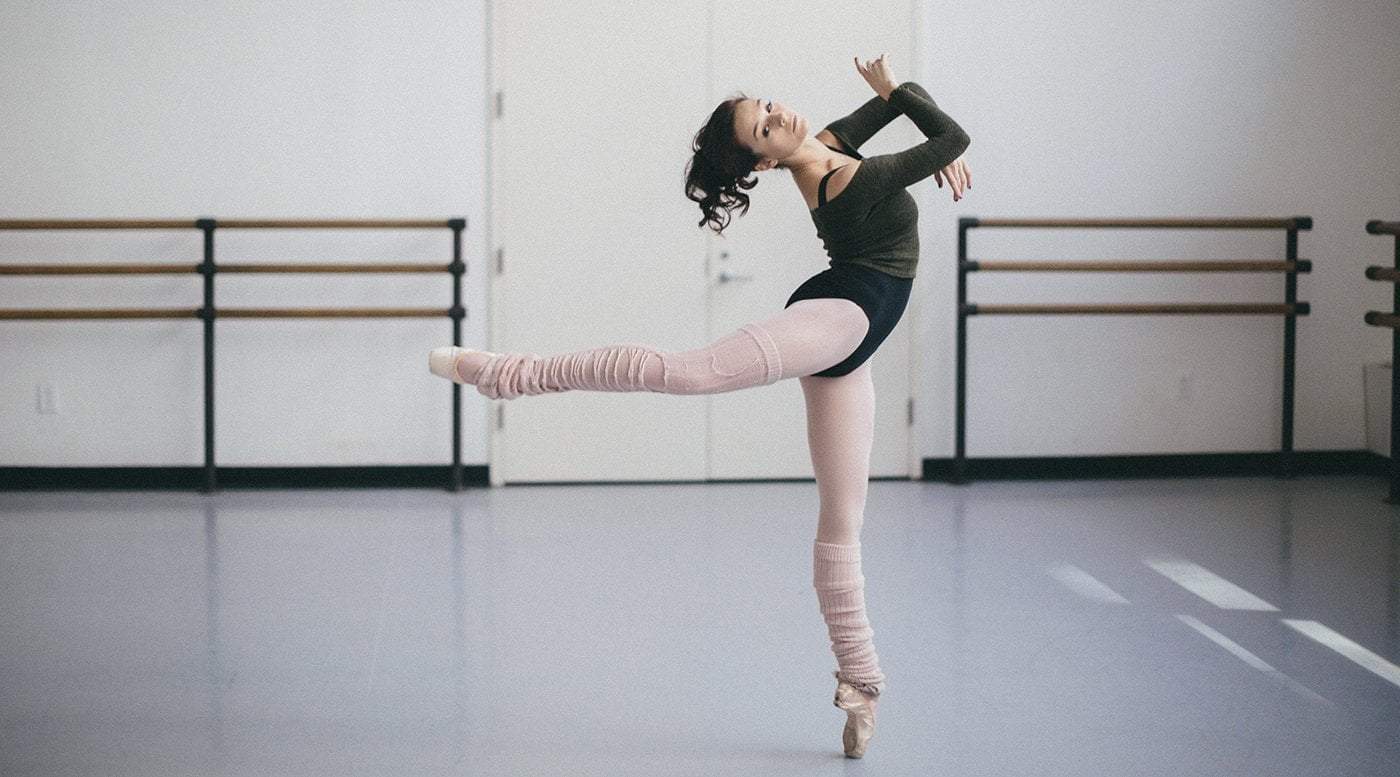
A show ballet performer never has “one pair for all occasions.” It is a style that is all about variety. During one performance, a dancer may do a highly-achieving heels act, a flowing lyrical act, and an exciting on-stage act and each performance may demand its own shoes. That’s why a dancer’s dressing room almost always has a full lineup of shoes, with Pole Dance Heels and platform heels taking center stage.
And it is not a question of beauty as such. Footwear on stage will define the cleanliness of the movement performed, whether the dancer can remain steady in his/her high heels, and whether a shoe will keep on the dancer when the movement is fast.
So if you’re preparing to join such a troupe, here’s what pairs you should have on hand to feel confident on stage.
What’s unique about working in a show ballet
Show ballet isn’t a single style—it’s many at once. And there are also factors you don’t encounter in regular training:
- Frequent quick changes – sometimes less than a minute between numbers, so shoes must fasten quickly and stay secure
- High workload – multiple routines per night, plus tours and rehearsals, meaning shoes wear out faster than usual
- Stage surface and lighting – floors can be slippery, so grip is essential to avoid sliding during turns
- Visual impact – footwear is visible even from the back rows, so it’s part of the overall stage image
That’s why shoe selection here is taken more seriously than with regular practice footwear.
How to choose heels for show ballet
Here, heels are non-heavy platform little dance shoes. Most of the heel-based routines-like stage numbers, cabaret-style acts and high heels choreography are based on them. On the stage they have certain needs, as they cannot afford to put the dancer into the road through more than one performance in one night.
Here are the key points:
- Material – natural leather is best. It’s soft, breathable, molds to the foot, and lasts longer than synthetic materials. It’s also more comfortable for long wear.
- Heel type – a slightly wider base is more stable than a thin stiletto. Performance height is usually 9–11 cm.
- Cushioning – a soft insole or heel padding protects the heel, knees, and back, which is essential with a heavy schedule.
- Secure fit – adjustable straps or closed ankle boot designs help the shoe stay firmly in place during fast choreography.
- Sole grip – for slippery stage floors, choose models with good traction to prevent slipping during turns under stage lights.
And now of outward look. Bright colors and shiny finishes are typical onstage. These shoes are readily noticeable by the audience and add import to the performance. But, first and foremost, there is stability- on a not particularly wide stiletto you might as well look splendid, at least to a point, until you make your first awkward move.
How to choose strip heels for show ballet
Strip heels are shoes that are high heeled with a high platform. They are utilized in performances to do exotic routines, work in floor plastics, and stylized go-go numbers that place a premium on visual impression and platform technique.
Key factors include:
- Height depending on the routine – for stage work, “three-inch platform” models (approx. 10 cm platform, 20 cm heel) and higher are common. They create the illusion of endless legs, but require strong foot control.
- Platform structure – the platform is what enables sliding and plastic movement techniques, so very low models aren’t suitable for visually impactful routines.
- Secure fastening – ankle straps and secure closures are essential so the shoe doesn’t slip off during jumps or spins under stage lighting.
- Material – patent leather reflects stage lights and provides slight floor grip, silicone fits snugly on the foot, and natural leather remains a reliable classic.
And of course, the stage image matters. Strip heels are part of the costume, so bright colors, sparkle, and decorated over-the-knee styles are often used. But all that visual effect should never compromise comfort and stability.
So if you’ve already been invited into a troupe—go for it. If they called you, it means your skill level is there. And now you definitely know how to handle the footwear side of things.